LENOVO ThinkPad P70 RAM upgrade specifications
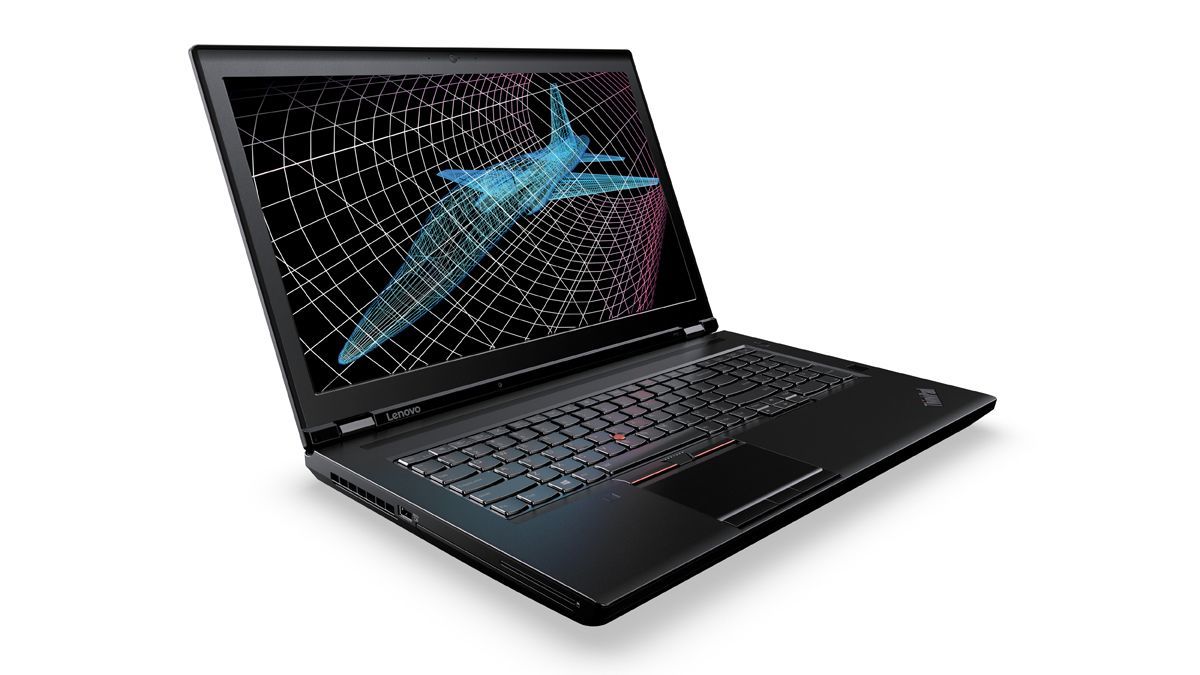

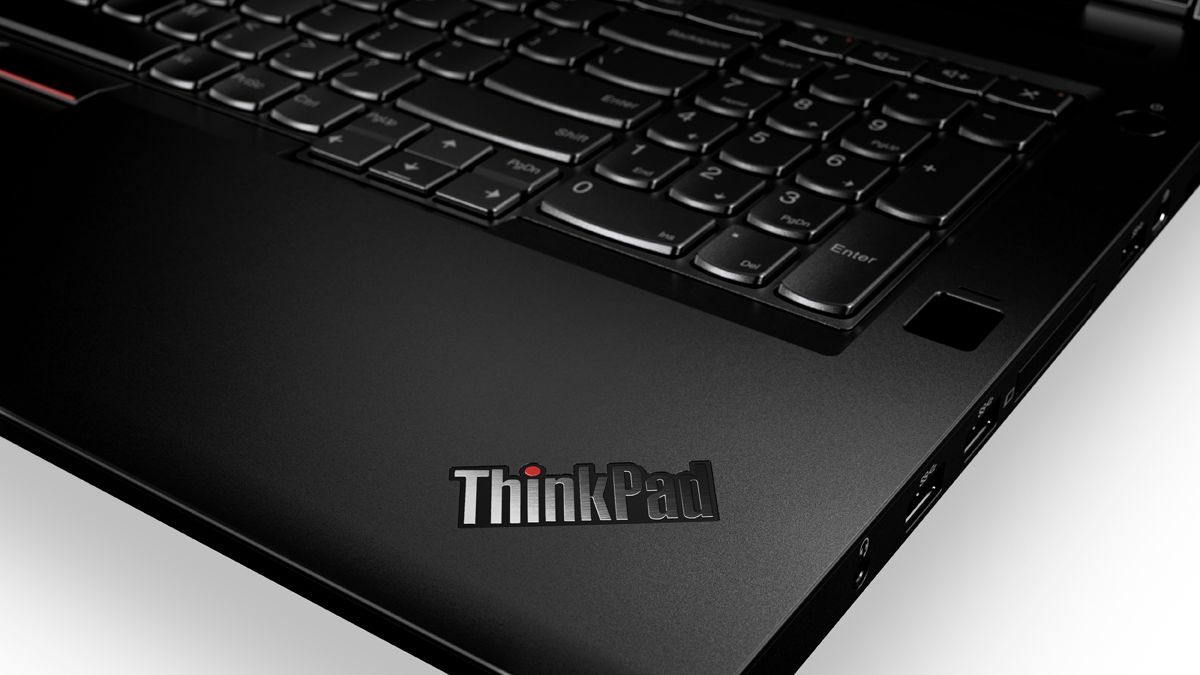
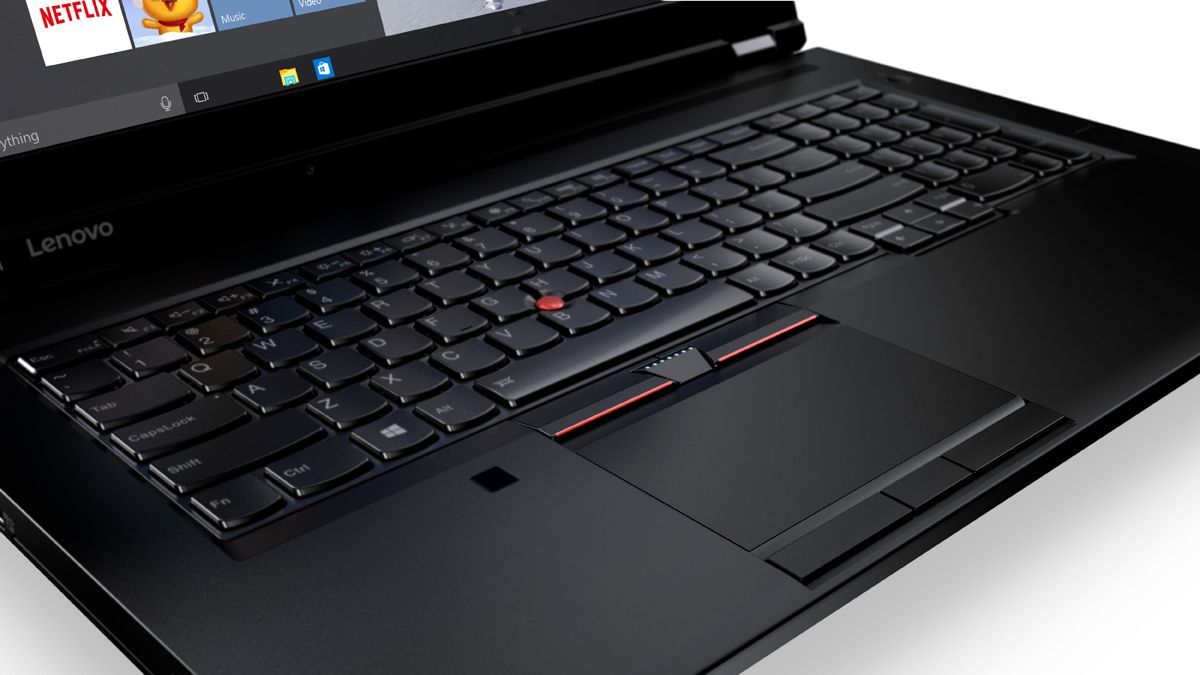

The LENOVO ThinkPad P Series P70 supports DDR4-SDRAM memory upgrades with four SO-DIMM slots for maximum expansion. The mobile workstation accommodates a maximum RAM capacity of 64 GB, with compatible memory modules operating at 2133 MHz frequency. Memory upgrade specifications indicate SO-DIMM form factor compatibility for the P70 model, enabling users to expand system memory according to workload requirements and performance demands.
Memory Upgrade Specifications
| Specification | Value |
|---|---|
| Memory slots | 4x SO-DIMM |
| Form factor | SO-DIMM |
| Memory type | DDR4-SDRAM |
| Frequency | 2133 MHz |
| Maximum RAM | 64 GB |
| Voltage | 1.2V |
| Number of pins | 260-pin |
| Interface | PC4 |
| PC Speed Rating | PC4-2133 (PC4-17064) |
| Bandwidth | 17.1 GB/s |
| Laptop Release date | 03 August 2017 |
Additional Notes
- The 4 SO-DIMM slot configuration enables quad-channel memory architecture, potentially delivering up to 4 times the memory bandwidth compared to single-channel implementations when all slots are populated with identical modules.
- DDR4-2133 represents the base JEDEC specification for DDR4, meaning modules rated at higher speeds like 2400 MHz or 2666 MHz will downclock to 2133 MHz due to chipset or processor limitations in this mobile workstation platform.
- Reaching the 64 GB ceiling requires 4 modules of 16 GB capacity each, as no larger SO-DIMM capacities were commercially available for DDR4-2133 generation hardware.
- SO-DIMM physical dimensions (approximately 67.6 mm versus 133.35 mm for standard DIMM) reflect mobile workstation thermal and spatial constraints, preventing the use of desktop memory modules regardless of electrical compatibility.
- The mandatory use of unbuffered non-ECC or ECC SO-DIMMs depends on processor support, with Xeon mobile processors in P-series ThinkPads typically accepting ECC modules while Core processors reject them, creating a processor-dependent upgrade path.
- Operating voltage is standardized at 1.2V for DDR4, reducing power consumption by approximately 20% compared to DDR3's 1.5V requirement, directly impacting battery runtime in mobile scenarios.
- Mixing module capacities across the 4 slots will disable quad-channel operation, reverting to dual-channel mode and sacrificing approximately 50% of potential memory bandwidth.
- The 2133 MHz frequency translates to an effective data rate of 17.06 GB/s per channel, yielding a theoretical maximum aggregate bandwidth of 68.26 GB/s in quad-channel configuration with all slots populated identically.
- CAS latency specifications, while not provided, typically range from CL15 to CL17 for DDR4-2133 modules, with CL15 delivering approximately 13% lower latency than CL17 variants at identical frequency.
- User-accessible memory slots in P70 workstations eliminate the need for bottom panel removal or motherboard extraction, unlike ultrabook designs where RAM may be soldered or require extensive disassembly.
- Single-rank versus dual-rank module topology affects performance independently of capacity, with dual-rank configurations potentially offering 5-15% performance improvement in memory-intensive workloads despite identical frequency and capacity specifications.
- Maximum module height constraints for SO-DIMM installations typically limit low-profile heat spreaders, though standard SO-DIMM specifications already prohibit the tall heat spreaders common in desktop gaming memory.
- The platform's DDR4 generation prohibits backward compatibility with DDR3L SO-DIMMs despite physical slot similarity, as keying notch positions differ by 0.5 mm to prevent insertion attempts.
- Warranty preservation requires OEM-certified or third-party modules meeting JEDEC specifications, as overclocked XMP-profile memory may void coverage despite physical compatibility.
- Memory bandwidth becomes the primary bottleneck for integrated graphics performance when present, as GPU cores share system RAM rather than accessing dedicated VRAM.