LENOVO ThinkPad P73 RAM upgrade specifications
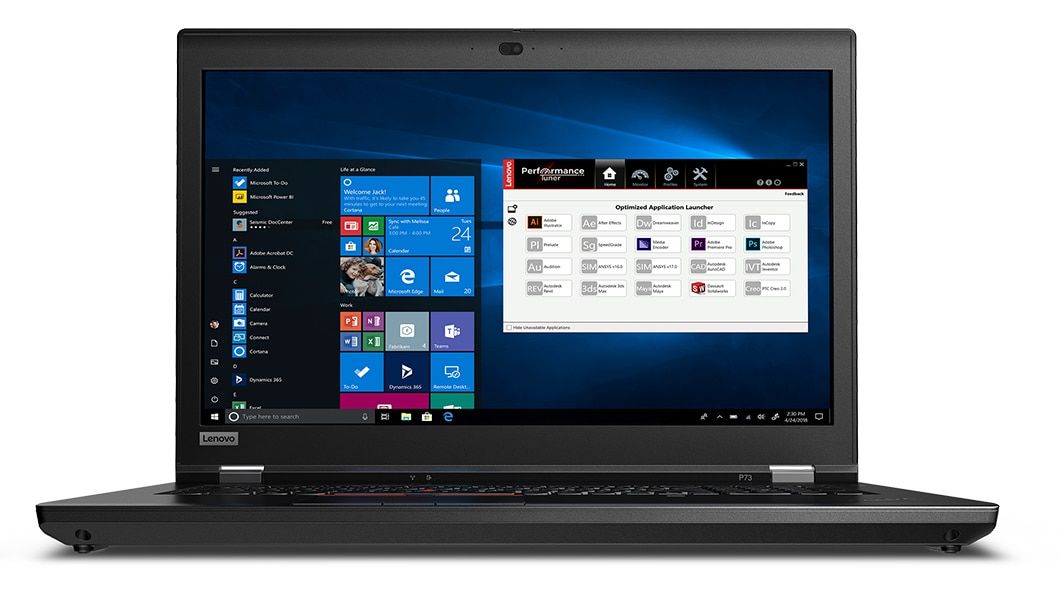
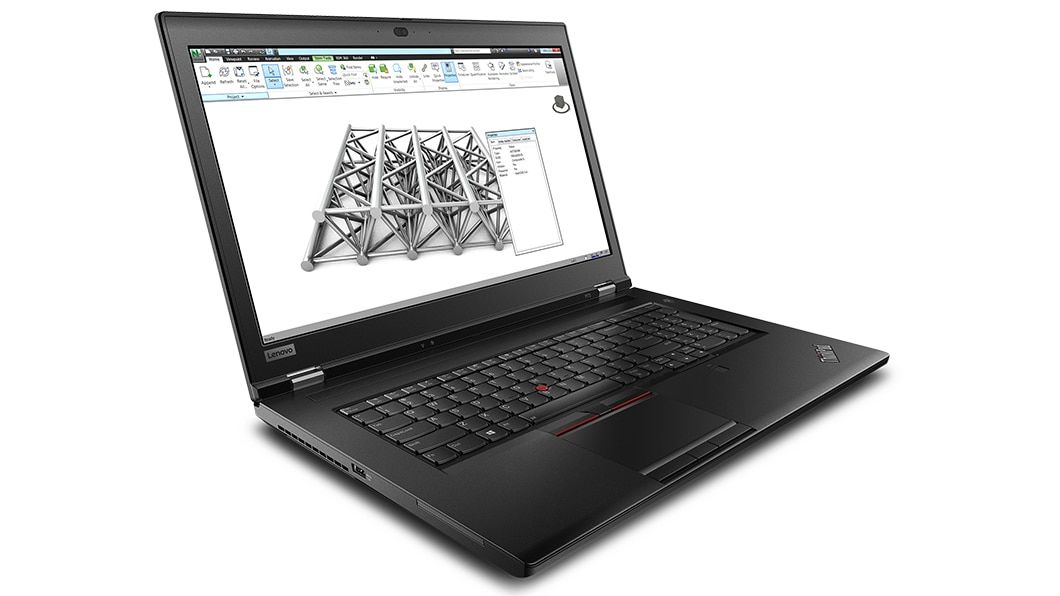
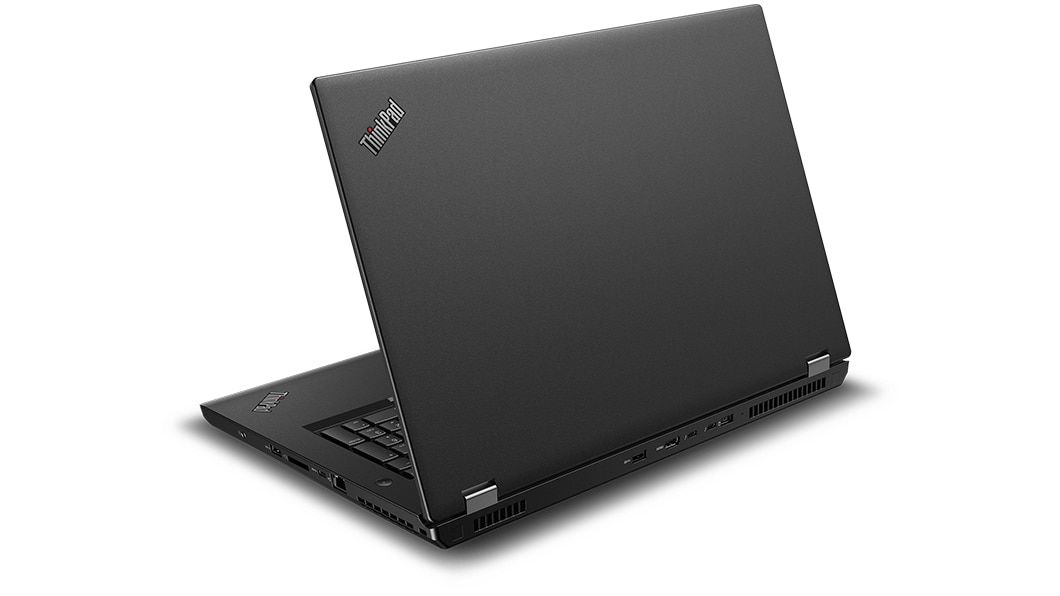
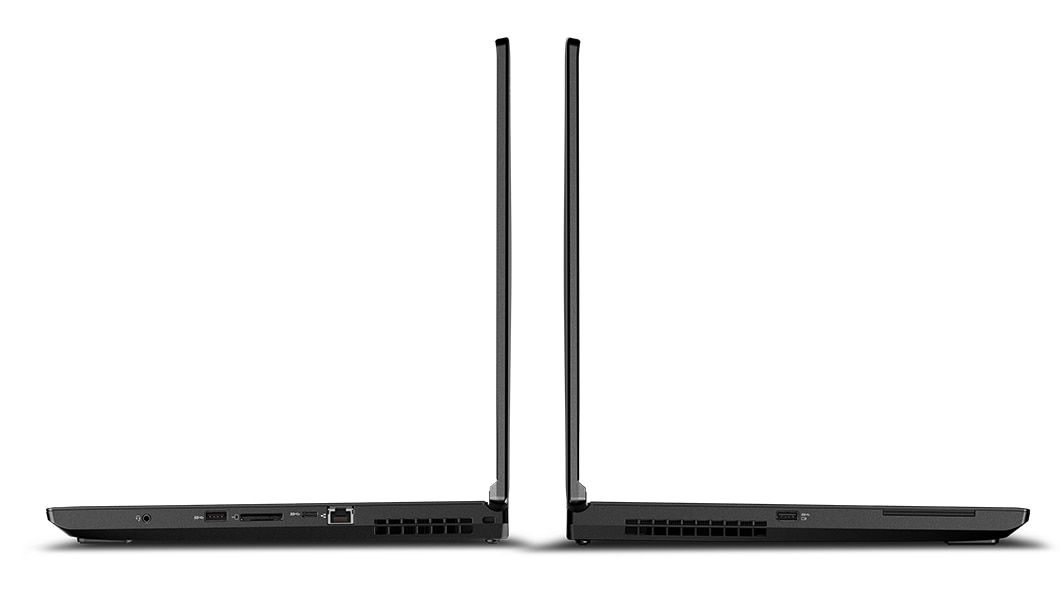
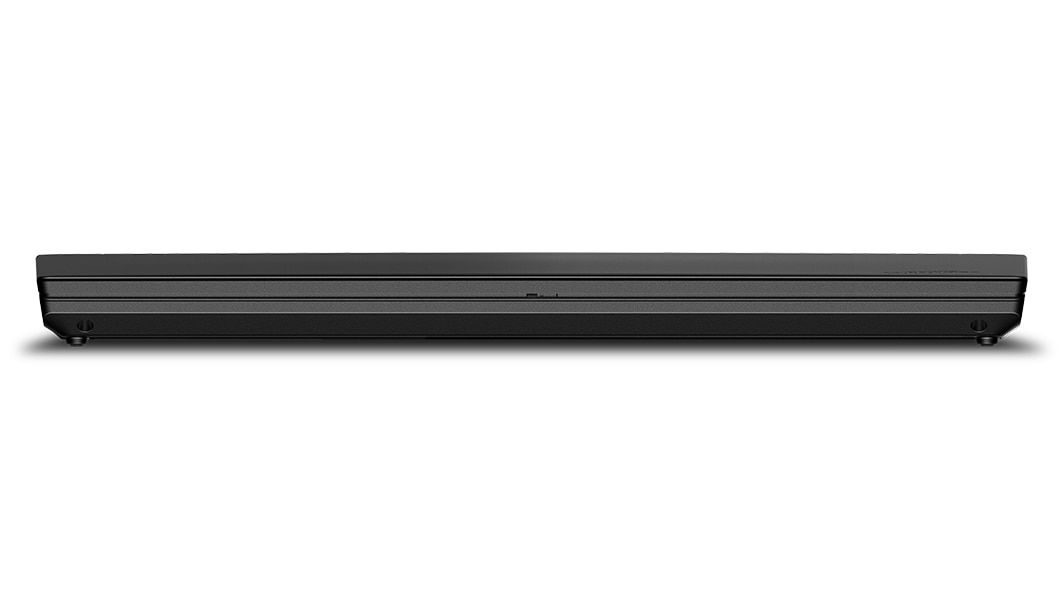
The Lenovo ThinkPad P series P73 laptop features four SO-DIMM memory slots supporting DDR4-SDRAM upgrades at 2666 MHz frequency. Maximum RAM capacity reaches 128 GB, enabling substantial memory expansion from factory configurations. Compatible upgrade modules utilize the SO-DIMM form factor standard for mobile workstations. Memory specifications support professional computing demands with scalable capacity options through available slots.
Memory Upgrade Specifications
| Specification | Value |
|---|---|
| Memory slots | 4x SO-DIMM |
| Form factor | SO-DIMM |
| Memory type | DDR4-SDRAM |
| Frequency | 2666 MHz |
| Maximum RAM | 128 GB |
| Voltage | 1.2V |
| Number of pins | 260-pin |
| Interface | PC4 |
| PC Speed Rating | PC4-2666 (PC4-21328) |
| Bandwidth | 21.3 GB/s |
| Laptop Release date | 19 July 2019 |
Additional Notes
- The Lenovo ThinkPad P73 supports DDR4-SDRAM at 2666 MHz, which represents a bandwidth ceiling of approximately 21.3 GB/s per channel. Graphics-intensive workloads and large dataset processing will experience memory throughput constraints compared to newer DDR4-3200 systems, potentially creating latency bottlenecks during sustained compute operations.
- Four SO-DIMM slots enable theoretical maximum capacity of 128 GB, but practical upgrade paths depend on individual module availability. Configurations mixing old and new modules may force the system to clock down all memory to the lowest common frequency, negating performance gains from faster modules.
- SO-DIMM form factor requires physical extraction of the base cover and navigation of tight internal spacing. Improper installation or excessive force during seating can damage slot connectors, a condition typically excluded from standard warranty coverage on this workstation class.
- The 2666 MHz specification reflects older JEDEC standards. Aftermarket modules rated for 3200 MHz or higher will operate at 2666 MHz when installed, with no performance benefit from the higher rated speed. Purchasing premium-priced modules for higher frequencies produces no measurable gain on this platform.
- Dual-channel memory architecture across 4 slots means optimal performance requires populating slots in matched pairs. Populating only 1 or 3 slots disables dual-channel operation, reducing effective bandwidth by approximately 50 percent and introducing asymmetric latency penalties for certain access patterns.