LENOVO ThinkPad ThinkPad P15v Gen 2 RAM upgrade specifications
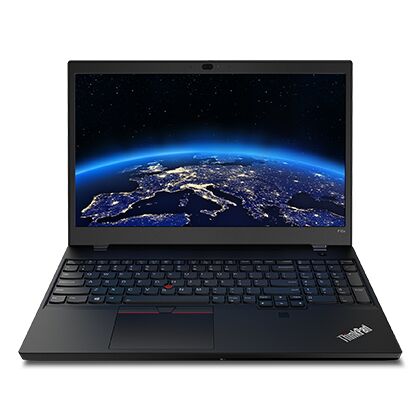
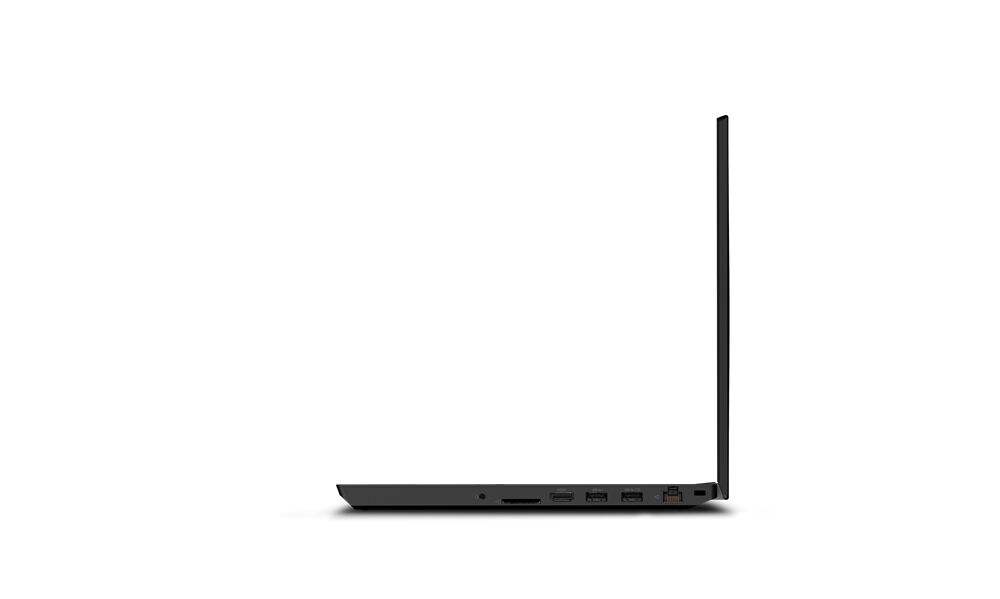
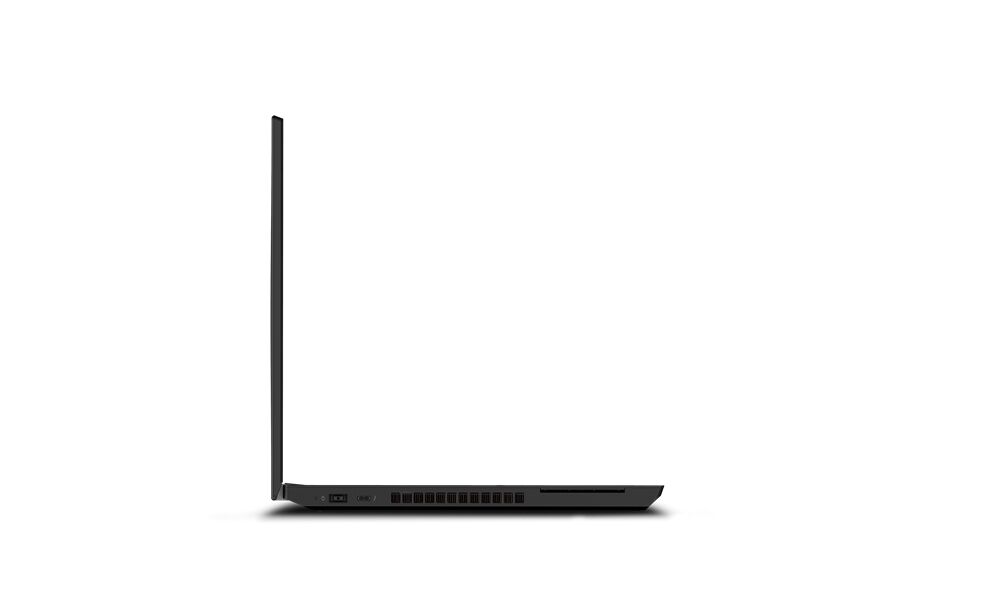
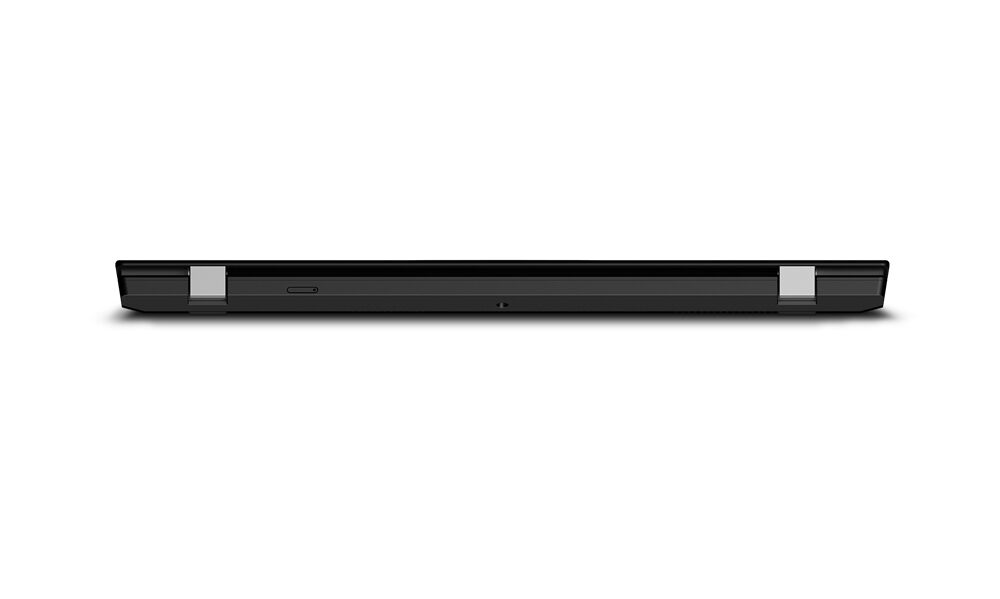
LENOVO ThinkPad P15v Gen 2 memory upgrade specifications include DDR4-SDRAM support with 2x SO-DIMM slots. Maximum RAM capacity reaches 64 GB total, operating at 3200 MHz frequency. Compatible memory modules utilize SO-DIMM form factor for the ThinkPad P series mobile workstation. Upgrade configurations allow installation of high-capacity memory modules to enhance system performance and multitasking capabilities on this professional-grade laptop.
Memory Upgrade Specifications
| Specification | Value |
|---|---|
| Memory slots | 2x SO-DIMM |
| Form factor | SO-DIMM |
| Memory type | DDR4-SDRAM |
| Frequency | 3200 MHz |
| Maximum RAM | 64 GB |
| Voltage | 1.2V |
| Number of pins | 260-pin |
| Interface | PC4 |
| PC Speed Rating | PC4-3200 (PC4-25600) |
| Bandwidth | 25.6 GB/s |
| Laptop Release date | 16 January 2022 |
Additional Notes
- The LENOVO ThinkPad P15v Gen 2 memory architecture permits a maximum configuration of two 32 GB modules, requiring matched capacity pairs for optimal dual-channel bandwidth.
- The 3200 MHz frequency specification requires DDR4-3200 modules; installing slower modules will cause all memory to downclock to the lowest common speed.
- The SO-DIMM form factor restriction eliminates compatibility with standard desktop DIMM modules due to physical connector and PCB size differences.
- Operating both memory slots in dual-channel mode doubles theoretical bandwidth to 51.2 GB/s compared to single-channel operation at 25.6 GB/s.
- Installing non-matching memory speeds or densities across slots may force the system into asymmetric or single-channel mode, reducing memory subsystem performance.
- The 64 GB ceiling prevents future expansion beyond two 32 GB modules, regardless of higher-capacity module availability in the market.
- Accessing the memory slots typically requires bottom panel removal, with potential warranty implications if security seals are present.
- Mixed-brand installations are technically functional but may introduce timing compatibility issues not present in matched module pairs from a single manufacturer.
- ECC (Error-Correcting Code) memory compatibility depends on processor support; installing ECC modules in a non-ECC configuration wastes the error correction capability.
- The DDR4 voltage standard of 1.2V is non-negotiable; low-voltage DDR4L or high-voltage DDR3 modules are electrically incompatible with the memory controller.
- Thermal constraints within the chassis may throttle performance if both slots are populated with high-density modules generating excessive heat during sustained workloads.
- Single-rank versus dual-rank module topology affects latency and interleaving behavior, with potential performance variations of 3-5% in memory-intensive applications.