LENOVO ThinkPad 15p Gen 3 RAM upgrade specifications
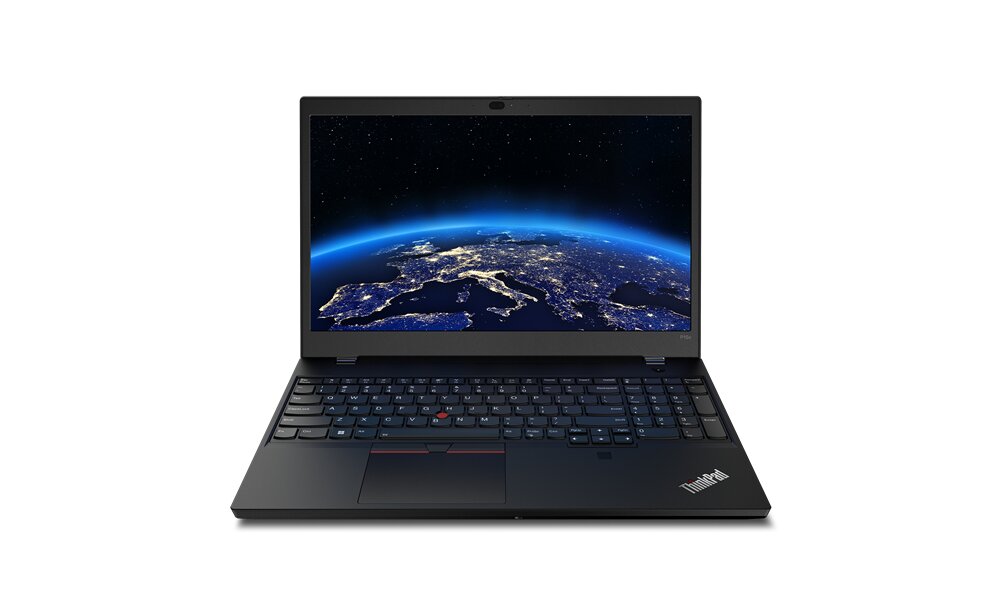
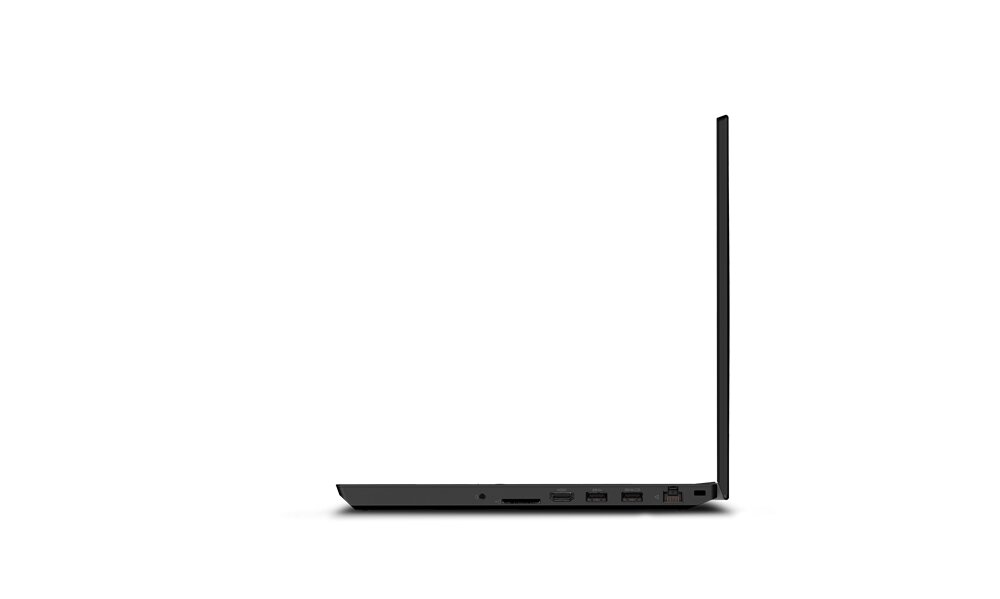
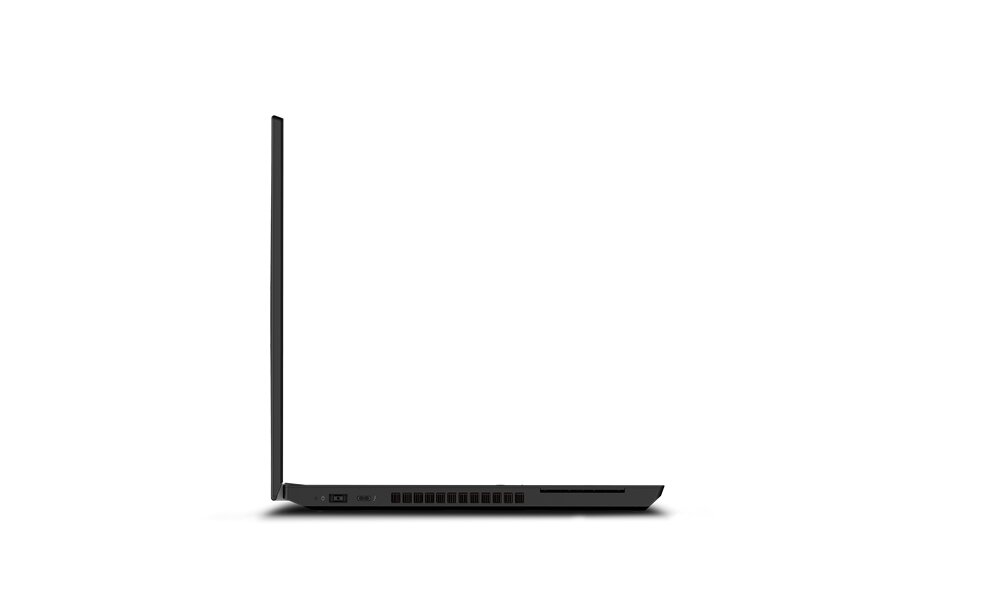
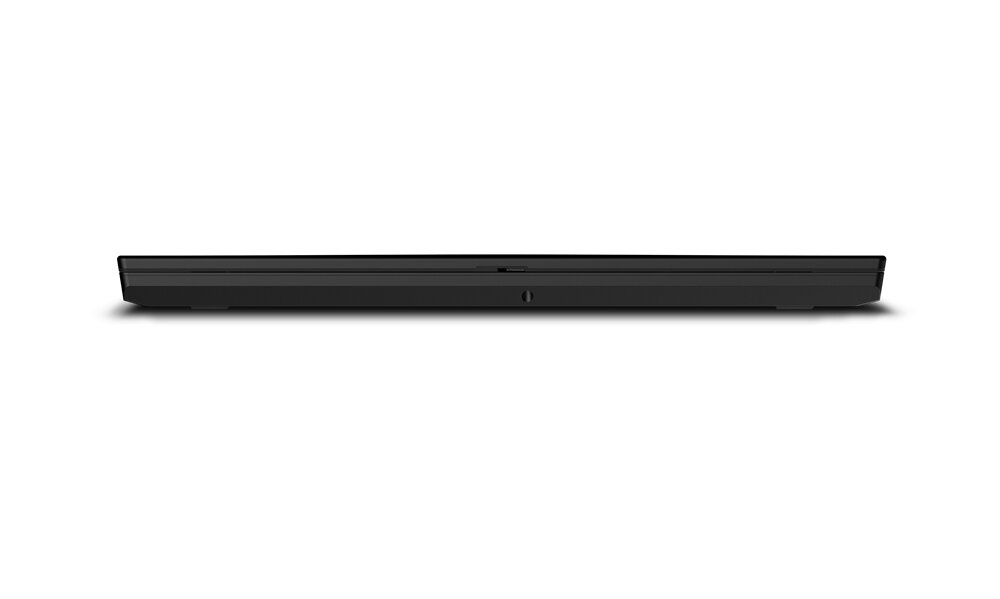
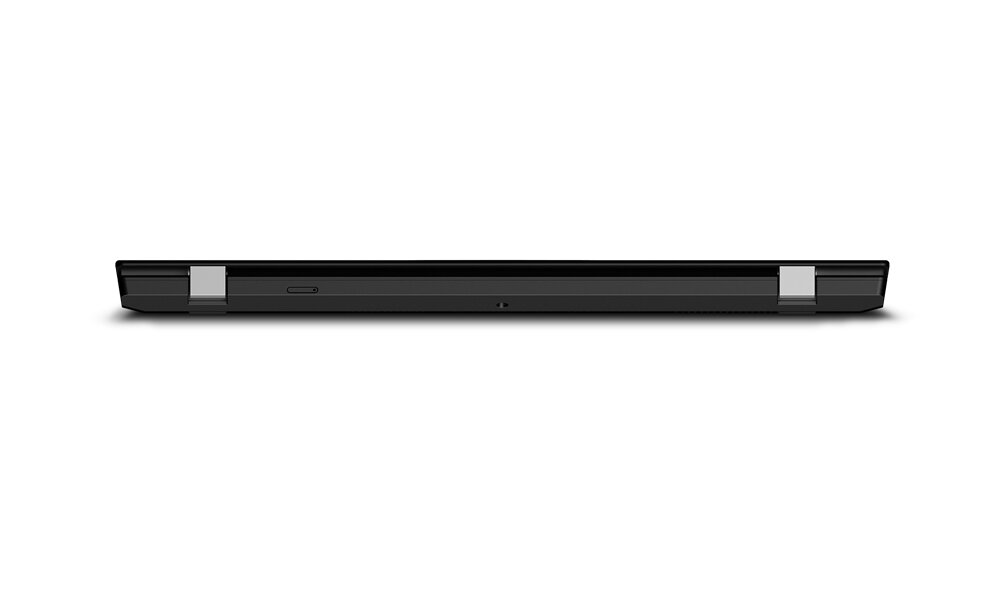
Lenovo ThinkPad T 15p Gen 3 laptop supports DDR5-SDRAM memory upgrades via two SO-DIMM slots. Maximum memory capacity reaches 64 GB. The upgrade specifications include DDR5 modules operating at 4800 MHz frequency. Compatible RAM modules must match SO-DIMM form factor requirements for proper installation in the available memory slots. Users can upgrade the factory-installed memory to achieve the maximum supported capacity of 64 GB total.
Memory Upgrade Specifications
| Specification | Value |
|---|---|
| Memory slots | 2x SO-DIMM |
| Form factor | SO-DIMM |
| Memory type | DDR5-SDRAM |
| Frequency | 4800 MHz |
| Maximum RAM | 64 GB |
| Voltage | 1.1V |
| Number of pins | 262-pin |
| Interface | PC5 |
| PC Speed Rating | PC5-4800 (PC5-38400) |
| Bandwidth | 38.4 GB/s |
Additional Notes
- The Lenovo ThinkPad 15p Gen 3 utilizes SO-DIMM form factor memory, which means aftermarket RAM modules must match this compact laptop-specific standard; desktop DDR5 components are not compatible due to physical and electrical differences.
- With 2 slots available and a 64 GB ceiling, maximum upgrade capacity reaches 32 GB per module, requiring DDR5-SDRAM modules rated for 4800 MHz to maintain rated system specifications and avoid potential stability issues from frequency mismatches.
- The dual-slot configuration provides a single upgrade pathway: the system ships with some populated slots, meaning one or both existing modules may need removal to accommodate larger capacity modules, depending on original factory configuration.
- DDR5 memory operates at higher voltages than DDR4, so replacement modules must specify DDR5 compliance; mixing DDR4 and DDR5 in any configuration will cause hardware incompatibility and system failure to boot.
- Installation of non-validated third-party memory modules may trigger BIOS warnings or throttling behaviors, though Lenovo typically honors warranty claims for RAM upgrades using modules meeting the DDR5-SDRAM and 4800 MHz specifications listed for this model.
- Bandwidth saturation is unlikely during typical workloads at 4800 MHz, but applications involving sustained data transfer to storage or networking may encounter minor latency improvements if memory frequency remains uncompromised during upgrades.