LENOVO ThinkPad P71 RAM upgrade specifications
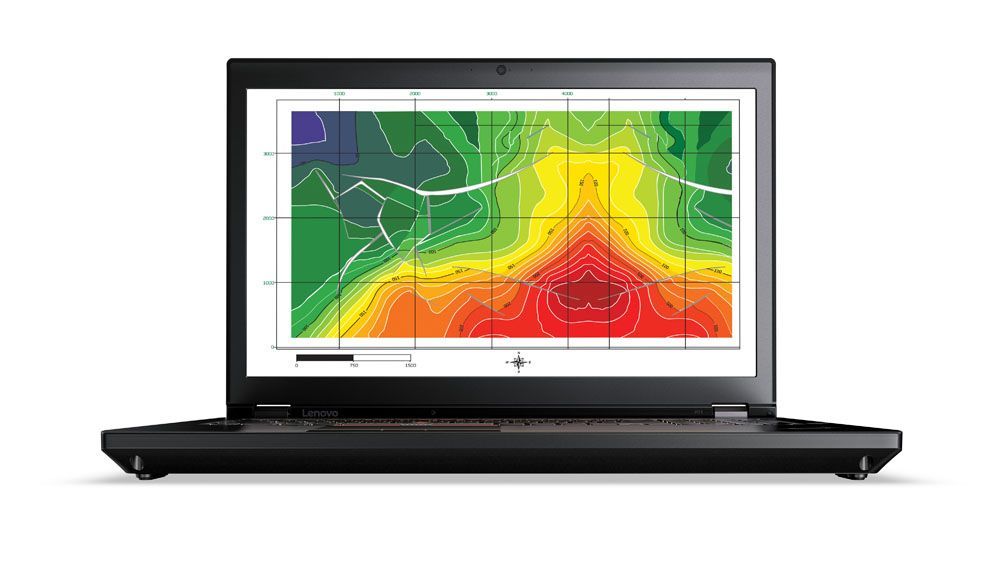
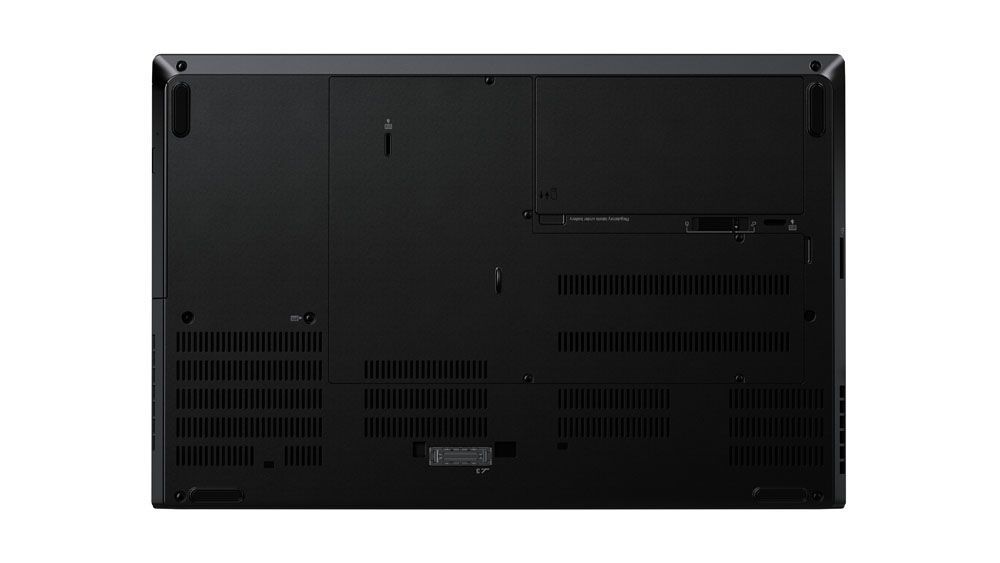
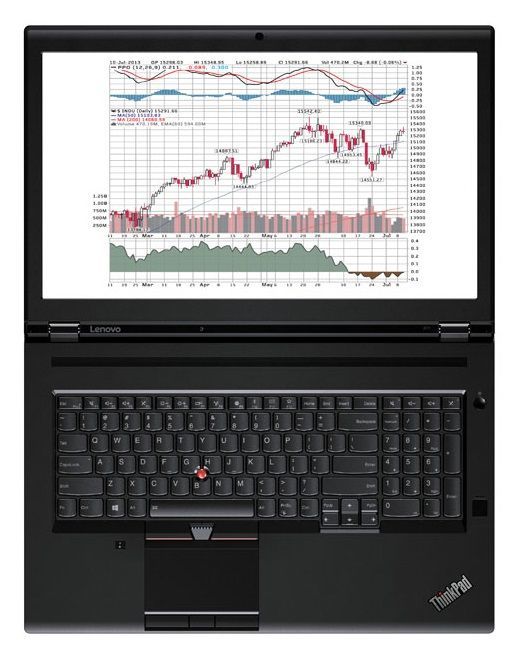
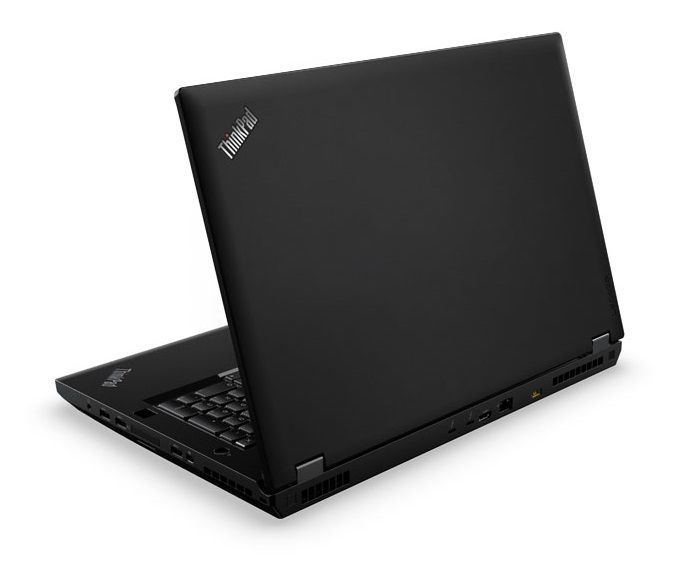
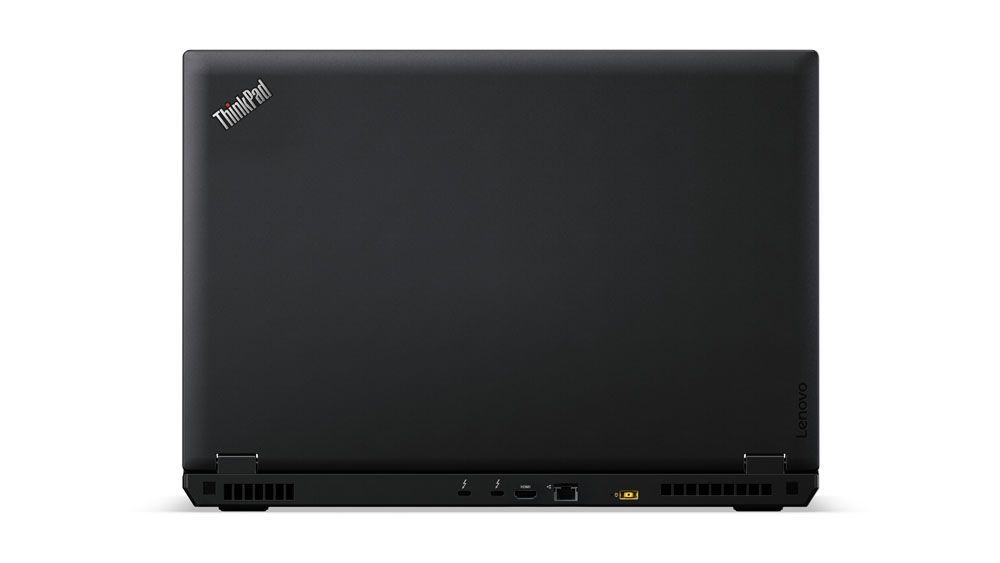
The Lenovo ThinkPad P71 mobile workstation supports DDR4-SDRAM memory upgrades across four SO-DIMM slots. The upgrade specifications accommodate a maximum RAM capacity of 64 GB, with compatible modules operating at 2400 MHz frequency. The SO-DIMM form factor enables memory expansion for enhanced multitasking and professional workload performance on the P series laptop platform.
Memory Upgrade Specifications
| Specification | Value |
|---|---|
| Memory slots | 4x SO-DIMM |
| Form factor | SO-DIMM |
| Memory type | DDR4-SDRAM |
| Frequency | 2400 MHz |
| Maximum RAM | 64 GB |
| Voltage | 1.2V |
| Number of pins | 260-pin |
| Interface | PC4 |
| PC Speed Rating | PC4-2400 (PC4-19200) |
| Bandwidth | 19.2 GB/s |
| Laptop Release date | 03 August 2017 |
Additional Notes
- The 4 SO-DIMM configuration permits balanced dual-channel operation when populated with matched pairs, maximizing bandwidth for integrated graphics and memory-intensive workloads.
- Installing modules in asymmetric configurations may force the memory controller into single-channel mode, reducing theoretical bandwidth from 38.4 GB/s to 19.2 GB/s.
- The 64 GB ceiling requires 4x 16 GB modules, as 32 GB SO-DIMMs exceed the chipset's per-slot addressing capability in this generation.
- DDR4-2400 represents a JEDEC standard speed requiring no XMP profile activation, ensuring compatibility across voltage-locked mobile platforms.
- Mixing modules with different ranks (single-rank vs. dual-rank) may trigger conservative timing fallback, increasing latency beyond rated CL specifications.
- The SO-DIMM form factor mandates 260-pin modules; standard 288-pin desktop DIMMs are physically incompatible with the socket mechanism.
- Memory speed exceeding 2400 MHz will downclock to the chipset's native frequency, rendering premium modules functionally identical to baseline variants in this platform.
- ECC SO-DIMMs remain electrically compatible but error-correction features remain dormant unless the mobile Xeon variant of this model is present.
- Upgrading beyond factory-installed capacity typically preserves warranty status when using JEDEC-compliant modules, unlike XMP-dependent overclocking.
- Four populated slots increase electrical loading on the memory controller, potentially preventing stable operation at 2400 MHz with lower-quality modules lacking strict SPD tolerances.
- The absence of quad-channel support on this mobile platform leaves 2 slots functionally redundant for bandwidth purposes, though capacity scaling remains linear.
- Operating voltage is standardized at 1.2V for DDR4-2400, eliminating low-voltage module requirements common in earlier DDR3L mobile implementations.