LENOVO ThinkPad P50s RAM upgrade specifications
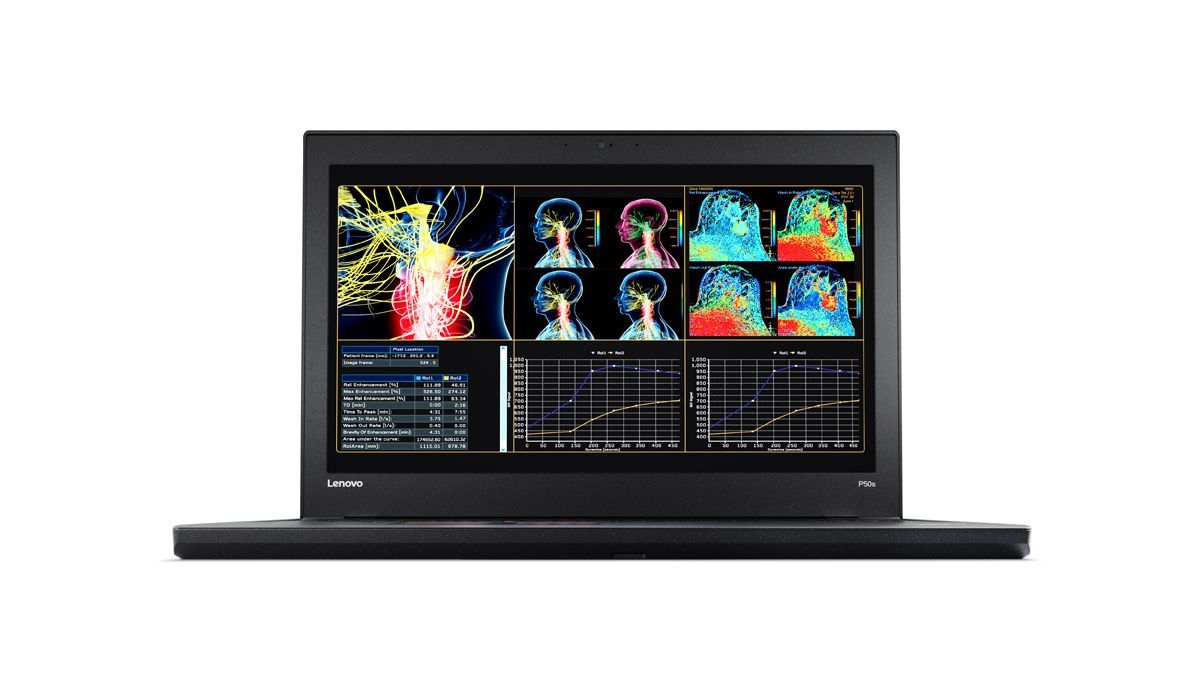

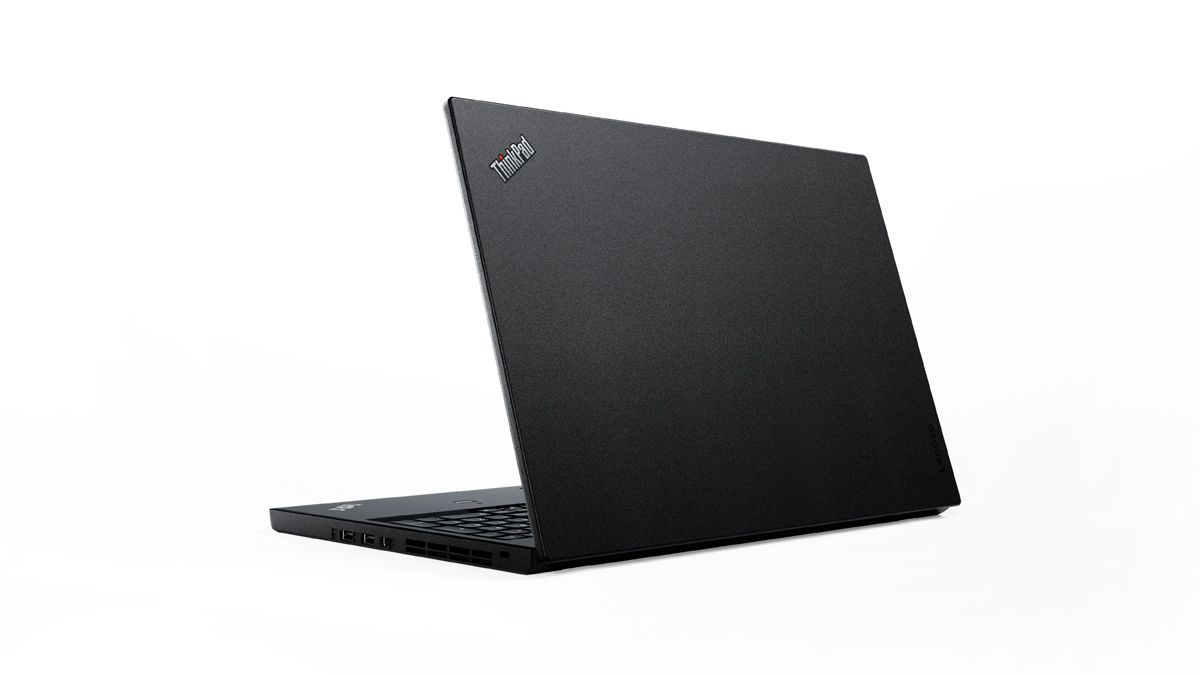


The Lenovo ThinkPad P series model P50s supports memory upgrades through two SO-DIMM slots. The laptop accepts DDR3L-SDRAM modules operating at 1600 MHz frequency. Maximum RAM capacity reaches 32 GB, allowing for substantial memory expansion. Compatible upgrade modules must meet DDR3L specifications and utilize the SO-DIMM form factor. Current memory configurations can be upgraded to improve multitasking performance and system responsiveness. Specifications detail slot availability and maximum capacity for planning RAM upgrade requirements.
Memory Upgrade Specifications
| Specification | Value |
|---|---|
| Memory slots | 2x SO-DIMM |
| Form factor | SO-DIMM |
| Memory type | DDR3L-SDRAM |
| Frequency | 1600 MHz |
| Maximum RAM | 32 GB |
| Voltage | 1.35V (Low Voltage) |
| Number of pins | 204-pin |
| Interface | PC3L |
| PC Speed Rating | PC3L-1600 (PC3L-12800) |
| Bandwidth | 12.8 GB/s |
| Laptop Release date | 03 August 2017 |
Additional Notes
- The maximum supported density of 32 GB across 2 slots requires high density 16 GB modules which are rare in the DDR3L ecosystem and may necessitate specific BIOS versions for full recognition.
- The 1.35V low voltage requirement of DDR3L signifies that standard 1.5V DDR3 modules will likely cause system instability or fail to POST due to power delivery mismatches.
- Operating at a 1600 MHz frequency ceiling on a professional P series workstation indicates that the memory controller will downclock higher rated modules such as 1866 MHz to the native 1600 MHz bus speed.
- The dual channel architecture means that installing asymmetric module capacities results in partial single channel operation which creates a memory bandwidth bottleneck during data intensive CAD or rendering tasks.
- Physical access to both SO-DIMM slots typically involves removing the external battery and the bottom chassis cover which maintains warranty status if no internal tamper seals are broken during the swap.
- The transition from 16 GB to 32 GB on this specific chipset often requires the use of dual rank modules to ensure the memory controller can address the total bank count across the 2 available slots.
- Latency performance is constrained by the DDR3 standard where lower CAS latency values provide more significant improvements to system responsiveness than attempting to overclock the clock speed beyond the 1600 MHz hardware limit.