LENOVO ThinkPad P43s RAM upgrade specifications
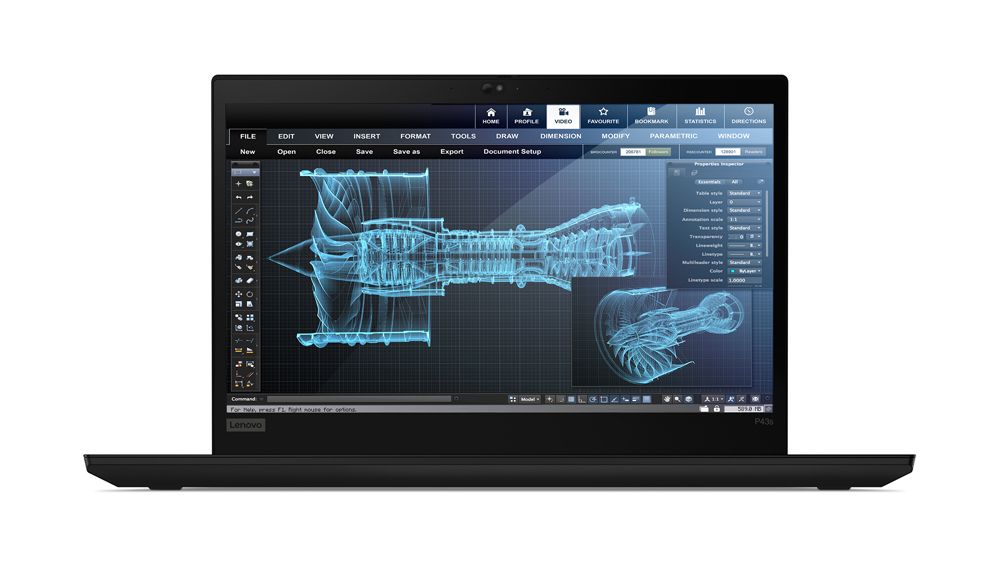
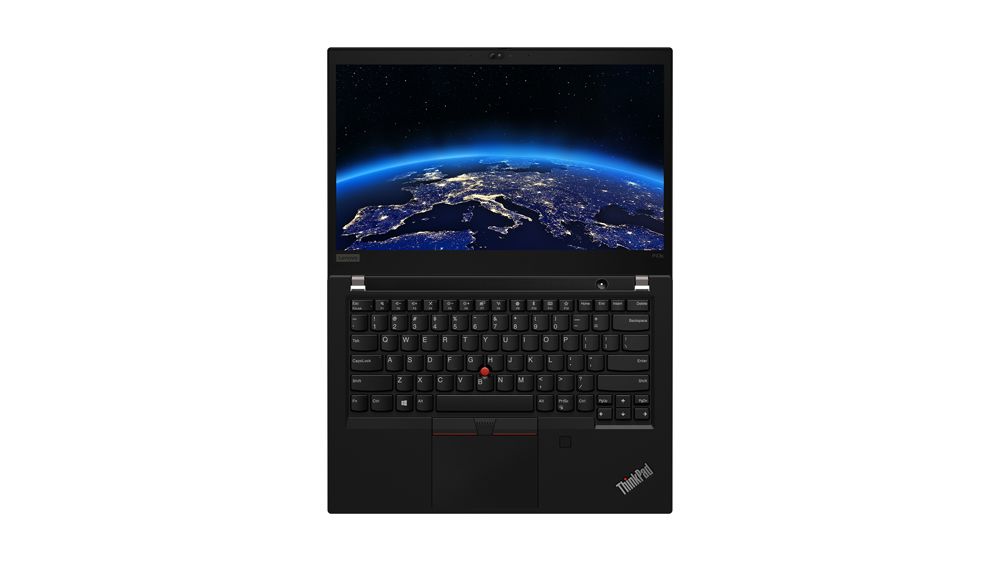
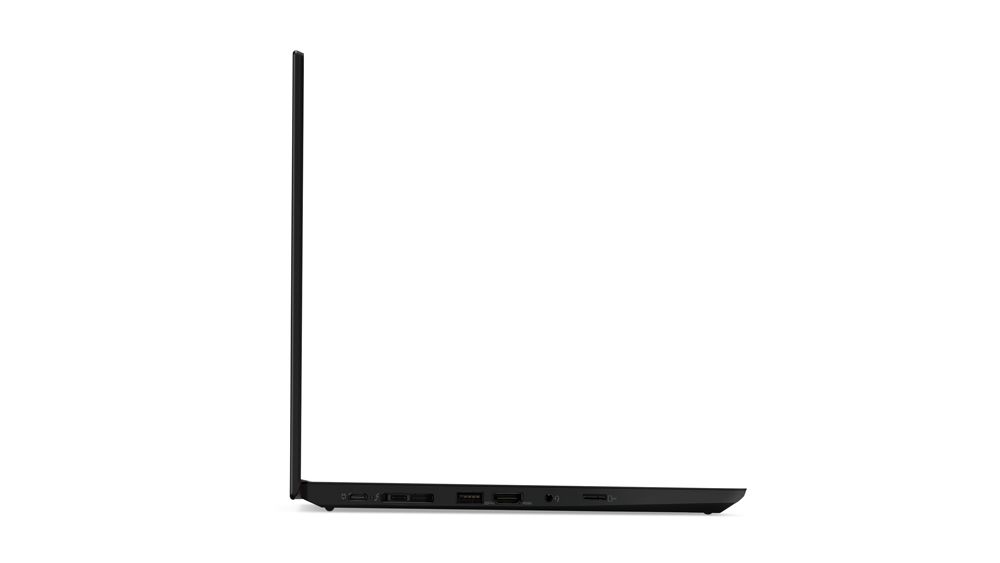
The Lenovo ThinkPad P Series P43s features DDR4-SDRAM memory with upgrade capabilities through one SO-DIMM slot. The laptop supports maximum RAM capacity of 48 GB, combining on-board memory with a single SO-DIMM expansion slot. Memory operates at 2400 MHz frequency. Compatible DDR4 modules enable users to expand the system's memory capacity for enhanced multitasking and performance in professional applications. The upgrade slot accommodates standard SO-DIMM form factor memory modules, allowing flexible memory configuration to meet varying computational demands.
Memory Upgrade Specifications
| Specification | Value |
|---|---|
| Memory slots | 1x SO-DIMM |
| Form factor | On-board + SO-DIMM |
| Memory type | DDR4-SDRAM |
| Frequency | 2400 MHz |
| Maximum RAM | 48 GB |
| Voltage | 1.2V |
| Number of pins | 260-pin |
| Interface | PC4 |
| PC Speed Rating | PC4-2400 (PC4-19200) |
| Bandwidth | 19.2 GB/s |
| Laptop Release date | 07 July 2019 |
Additional Notes
- The LENOVO ThinkPad P43s combines soldered memory with a single expansion slot, permanently limiting one portion of total capacity.
- Reaching the 48 GB ceiling requires calculating the onboard allocation first, as the SO-DIMM slot accepts only the difference between existing soldered capacity and maximum supported memory.
- 2400 MHz represents a DDR4-2400 specification, which operates at PC4-19200 bandwidth delivering 19.2 GB/s theoretical throughput per channel.
- Mixed capacity configurations may force the memory controller into asymmetric or flex mode, potentially disabling dual-channel operation for the portion exceeding matched pairs.
- The single SO-DIMM slot architecture prevents future balanced dual-channel expansion, as one memory bank remains permanently occupied by non-removable components.
- Installing faster DDR4 modules (2666 MHz or 3200 MHz) will downclock to 2400 MHz, matching the chipset's supported frequency ceiling.
- SO-DIMM modules require 260-pin DDR4 physical configuration; standard DIMM desktop memory remains mechanically incompatible regardless of electrical specifications.
- Accessing the memory slot requires bottom panel removal, which may involve multiple screw types and potential warranty seal considerations depending on regional service policies.
- ECC versus non-ECC compatibility depends on the soldered memory type already present, as mixing registered and unregistered modules across banks typically prevents POST completion.
- Operating voltage must conform to DDR4 standard 1.2V specification, as SO-DIMM slots lack voltage negotiation for DDR4L or alternative power profiles in mobile platforms.