LENOVO ThinkPad P17 Gen 2 (17" Intel) RAM upgrade specifications
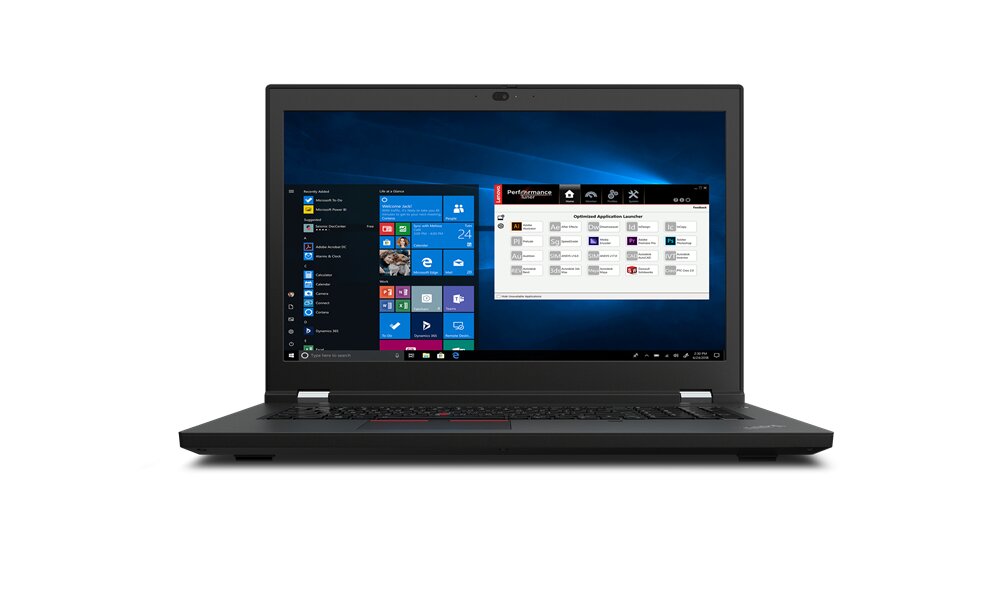
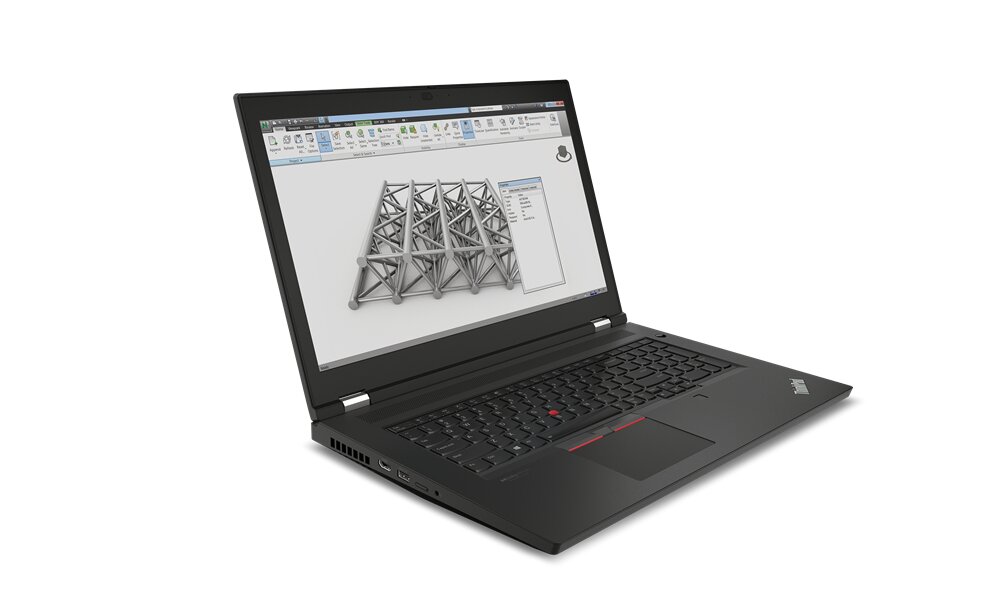
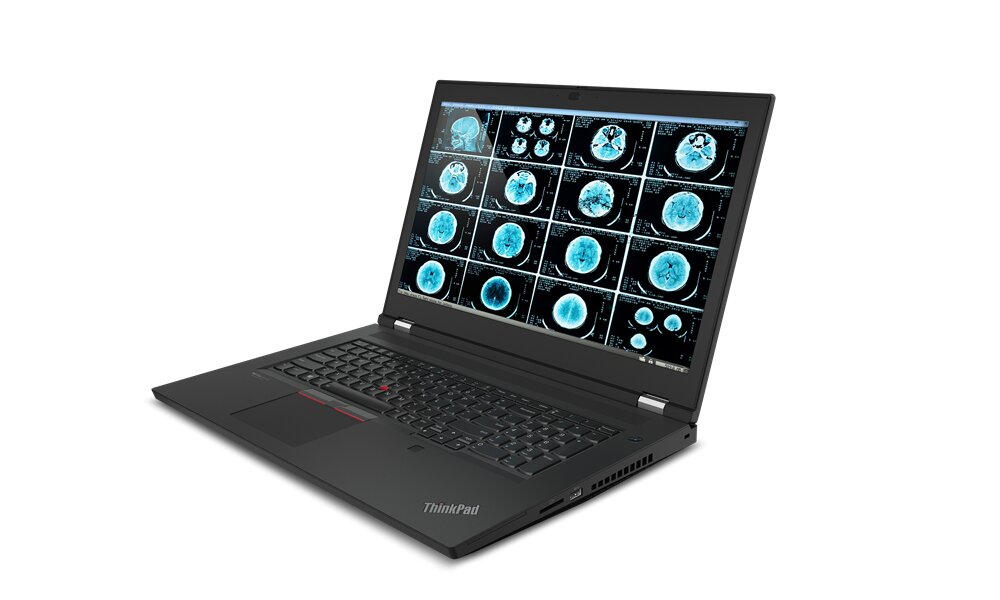
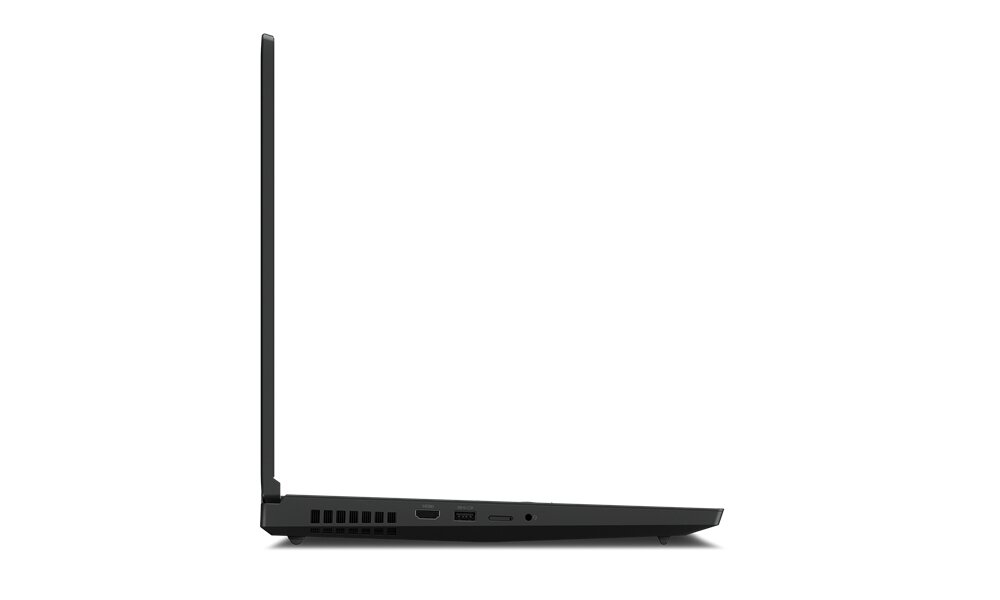
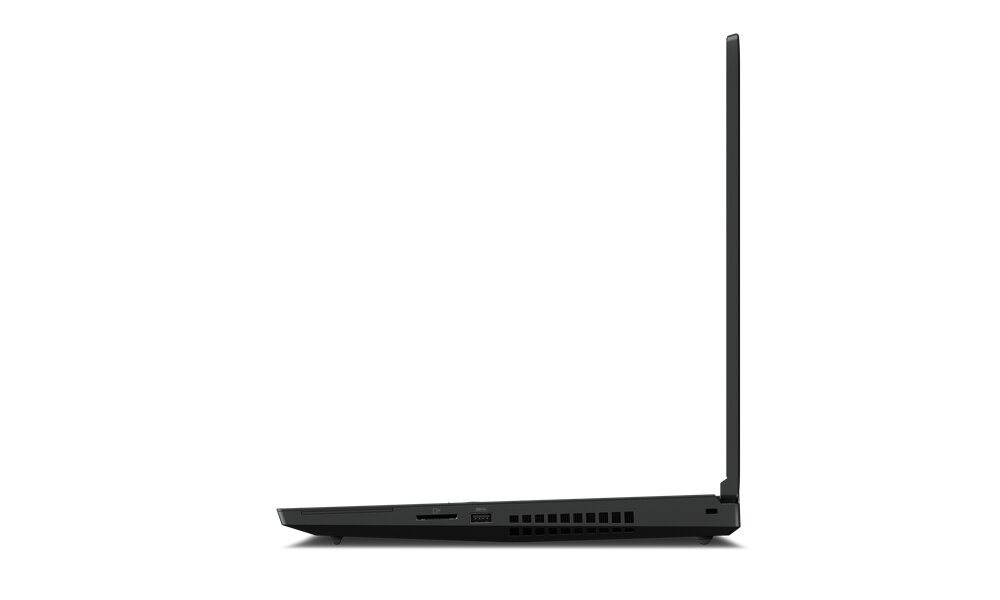
The LENOVO ThinkPad P series P17 Gen 2 (17" Intel) laptop features four SO-DIMM memory slots supporting DDR4-SDRAM upgrades at 3200 MHz frequency. Maximum RAM capacity reaches 128 GB total, allowing significant memory expansion from factory configurations. The SO-DIMM form factor enables straightforward module replacement and upgrade compatibility with standard DDR4 specifications. Specifications permit individual module capacities up to 32 GB per slot, accommodating both single and dual-module upgrade configurations for enhanced multitasking and professional workload performance.
Memory Upgrade Specifications
| Specification | Value |
|---|---|
| Memory slots | 4x SO-DIMM |
| Form factor | SO-DIMM |
| Memory type | DDR4-SDRAM |
| Frequency | 3200 MHz |
| Maximum RAM | 128 GB |
| Voltage | 1.2V |
| Number of pins | 260-pin |
| Interface | PC4 |
| PC Speed Rating | PC4-3200 (PC4-25600) |
| Bandwidth | 25.6 GB/s |
| Laptop Release date | 07 January 2022 |
Additional Notes
- The presence of 4 SO-DIMM slots implies a dual-channel architecture where pairs of modules should be matched in density and rank to maintain optimal memory interleaving.
- High memory density configurations exceeding 64 GB may result in increased thermal output within the chassis during sustained data-intensive workloads.
- The 128 GB capacity ceiling suggests support for 32 GB modules in every slot, requiring 64-bit operating system overhead for full address space utilization.
- Installing modules with speeds exceeding 3200 MHz will result in automatic downclocking to the platform's maximum supported frequency to maintain system stability.
- Internal layout constraints on the LENOVO ThinkPad P17 Gen 2 (17" Intel) typically require accessing slots both under the keyboard and behind the base cover, necessitating significant disassembly for a total capacity upgrade.
- Mixing memory ranks or using modules from different manufacturers across the 4 slots can trigger boot-up delays during the Power-On Self-Test as the BIOS synchronizes timings.
- Reliability for professional CAD and rendering tasks is contingent on utilizing modules that match the existing voltage requirements to prevent unexpected system shutdowns.