LENOVO ThinkPad P17 Gen 2 RAM upgrade specifications
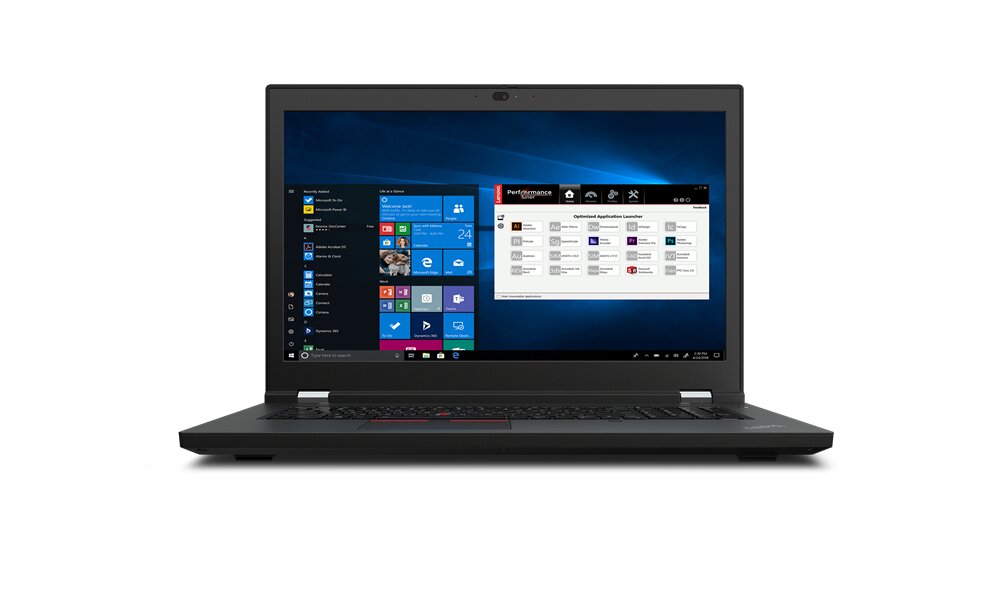
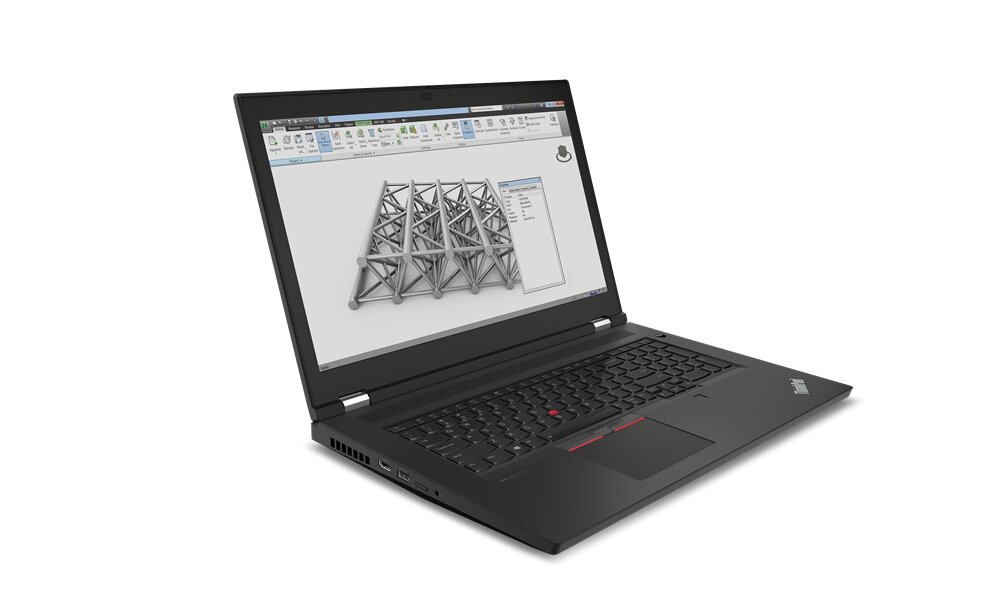
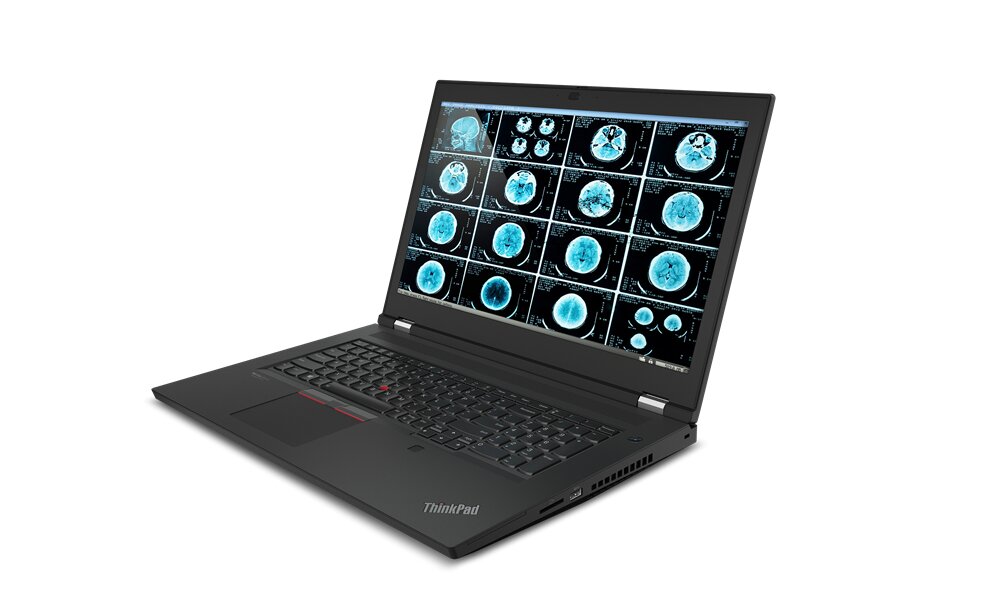
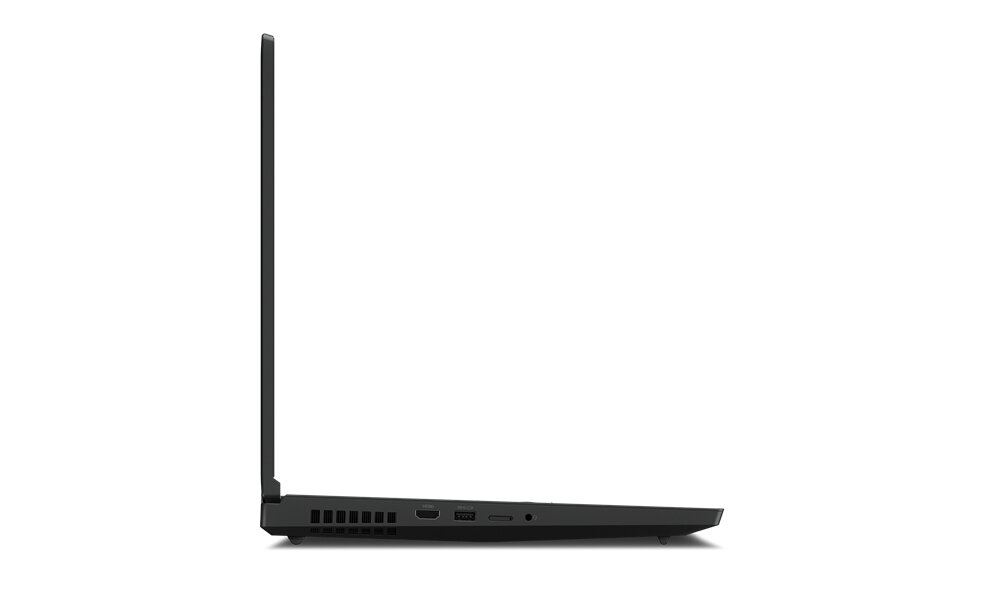
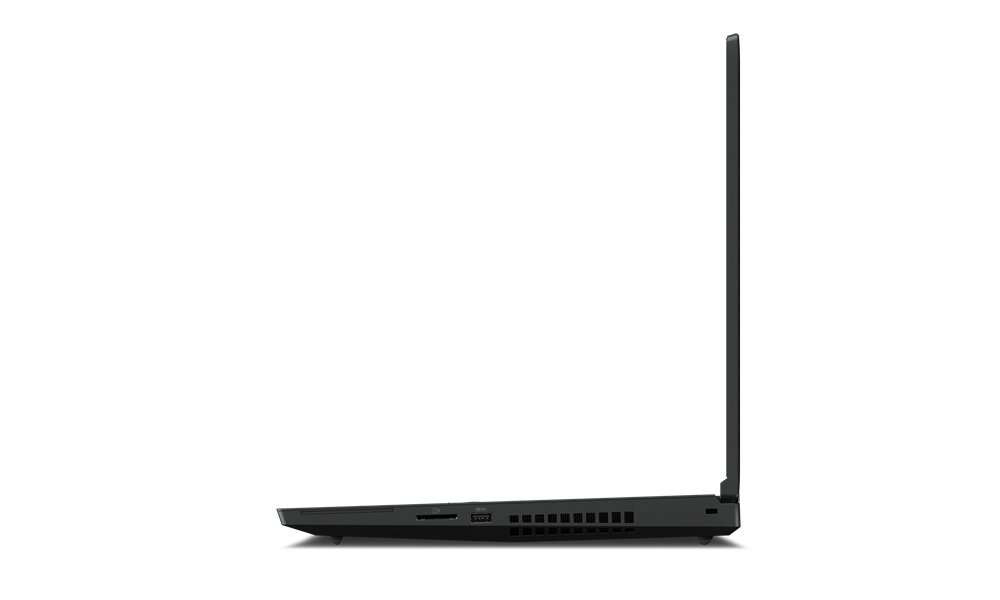
The Lenovo ThinkPad P17 Gen 2 accommodates DDR4-SDRAM memory upgrades through four SO-DIMM slots, supporting a maximum RAM capacity of 128 GB. The compatible memory operates at 3200 MHz frequency specifications. Upgrade options enable users to expand the laptop's memory configuration to meet professional workload requirements. The SO-DIMM form factor ensures compatibility with standard notebook memory modules for the P series mobile workstation.
Memory Upgrade Specifications
| Specification | Value |
|---|---|
| Memory slots | 4x SO-DIMM |
| Form factor | SO-DIMM |
| Memory type | DDR4-SDRAM |
| Frequency | 3200 MHz |
| Maximum RAM | 128 GB |
| Voltage | 1.2V |
| Number of pins | 260-pin |
| Interface | PC4 |
| PC Speed Rating | PC4-3200 (PC4-25600) |
| Bandwidth | 25.6 GB/s |
Additional Notes
- The Lenovo ThinkPad P17 Gen 2 supports dual-channel memory architecture across its 4 slots, enabling optimal bandwidth when modules are installed in matched pairs across both channels.
- Mixing memory modules with different densities or speeds will force all installed RAM to operate at the lowest common frequency, potentially reducing system performance below the 3200 MHz threshold.
- The 128 GB ceiling requires 32 GB modules in all 4 slots, as no higher-density SO-DIMM DDR4 modules exist within standard specifications.
- SO-DIMM installation requires accessing the bottom chassis panel, which typically involves removing multiple screws and potentially breaking adhesive seals that may affect warranty coverage depending on regional service policies.
- The 3200 MHz specification operates at JEDEC standard voltage of 1.2V, meaning higher-voltage overclocking modules will either fail to post or downclock to standard specifications.
- Populating all 4 slots increases electrical load on the memory controller, which may cause some systems to reduce operating frequency from 3200 MHz to 2933 MHz depending on module rank configuration.
- Single-rank modules maintain better signal integrity at maximum capacity compared to dual-rank alternatives, reducing the likelihood of stability issues when all slots are occupied.
- The DDR4-3200 specification implies CPU-side support for at least 11th generation Intel Core or Xeon processors, which determines chipset-level compatibility with ECC versus non-ECC memory types.
- Memory module height must not exceed 30mm to avoid physical interference with the keyboard assembly and thermal management components in mobile workstation chassis designs.
- Asymmetric configurations where unequal amounts of memory populate each channel will disable flex mode, reverting to single-channel operation for the unpaired capacity.