LENOVO ThinkPad P16v Gen 1 (Intel) RAM upgrade specifications
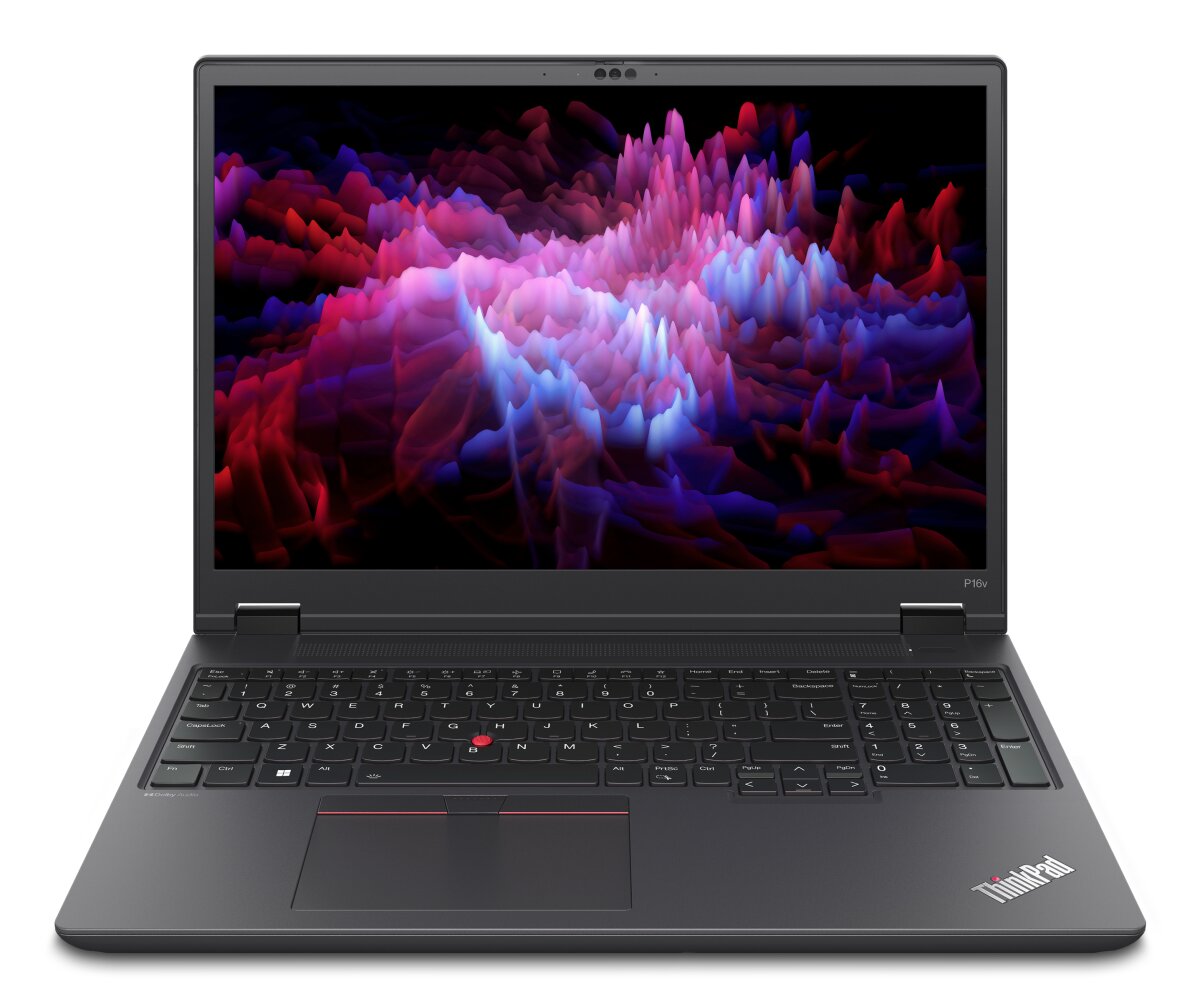
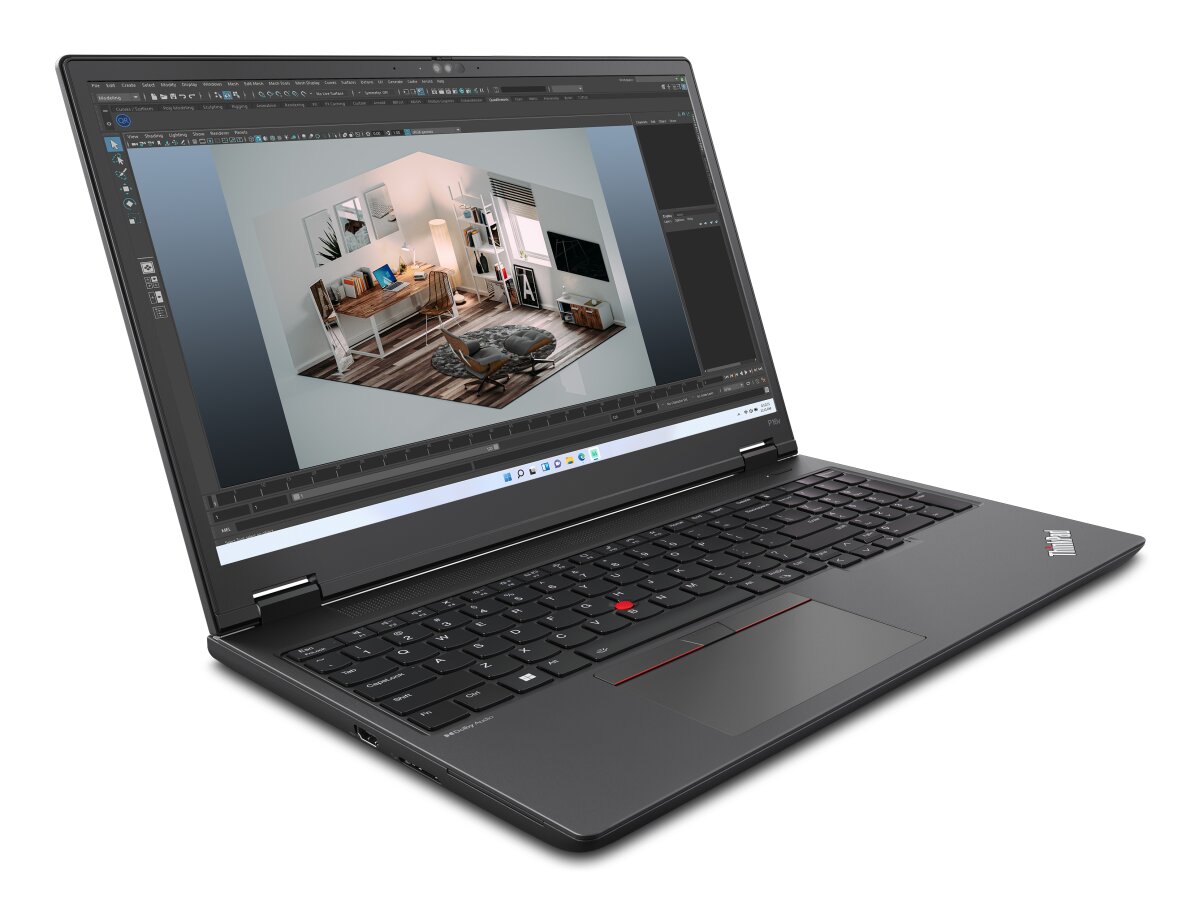
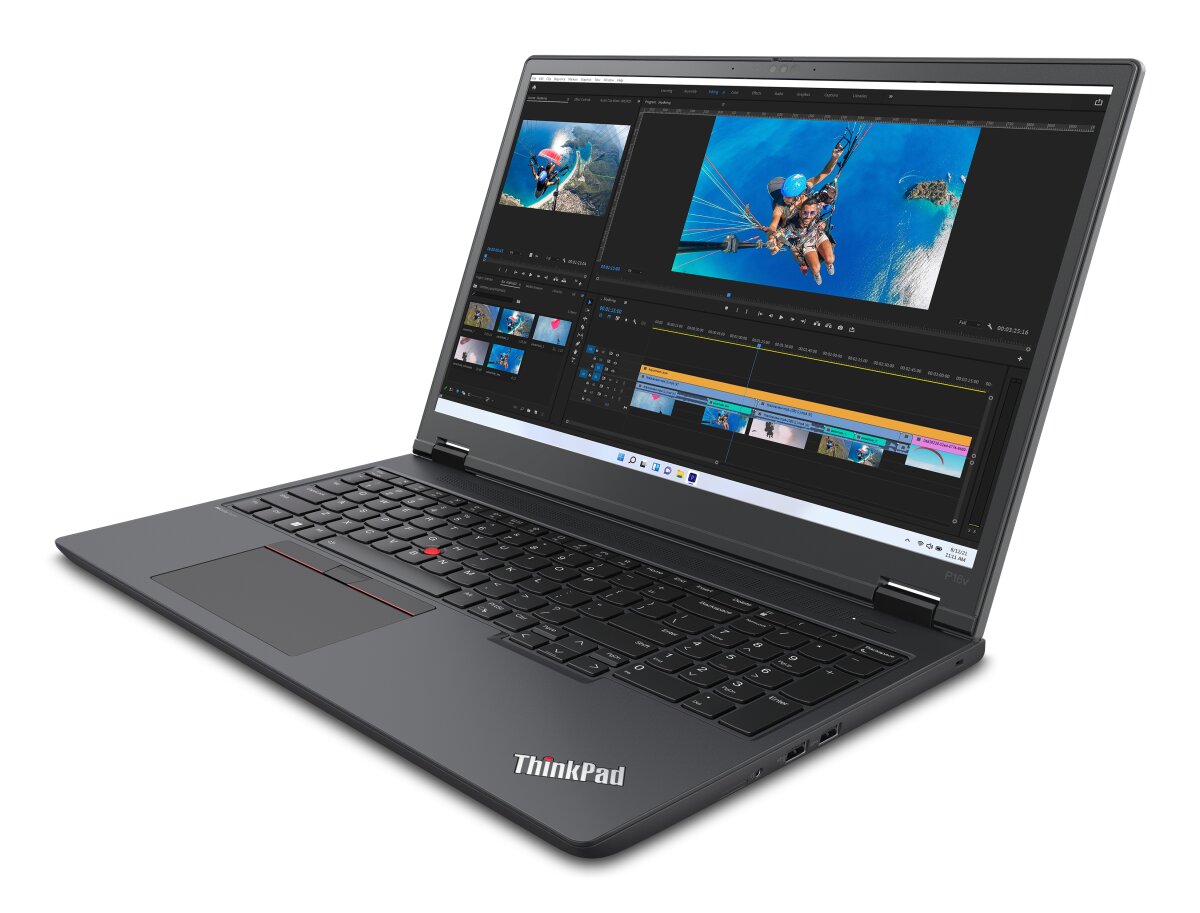
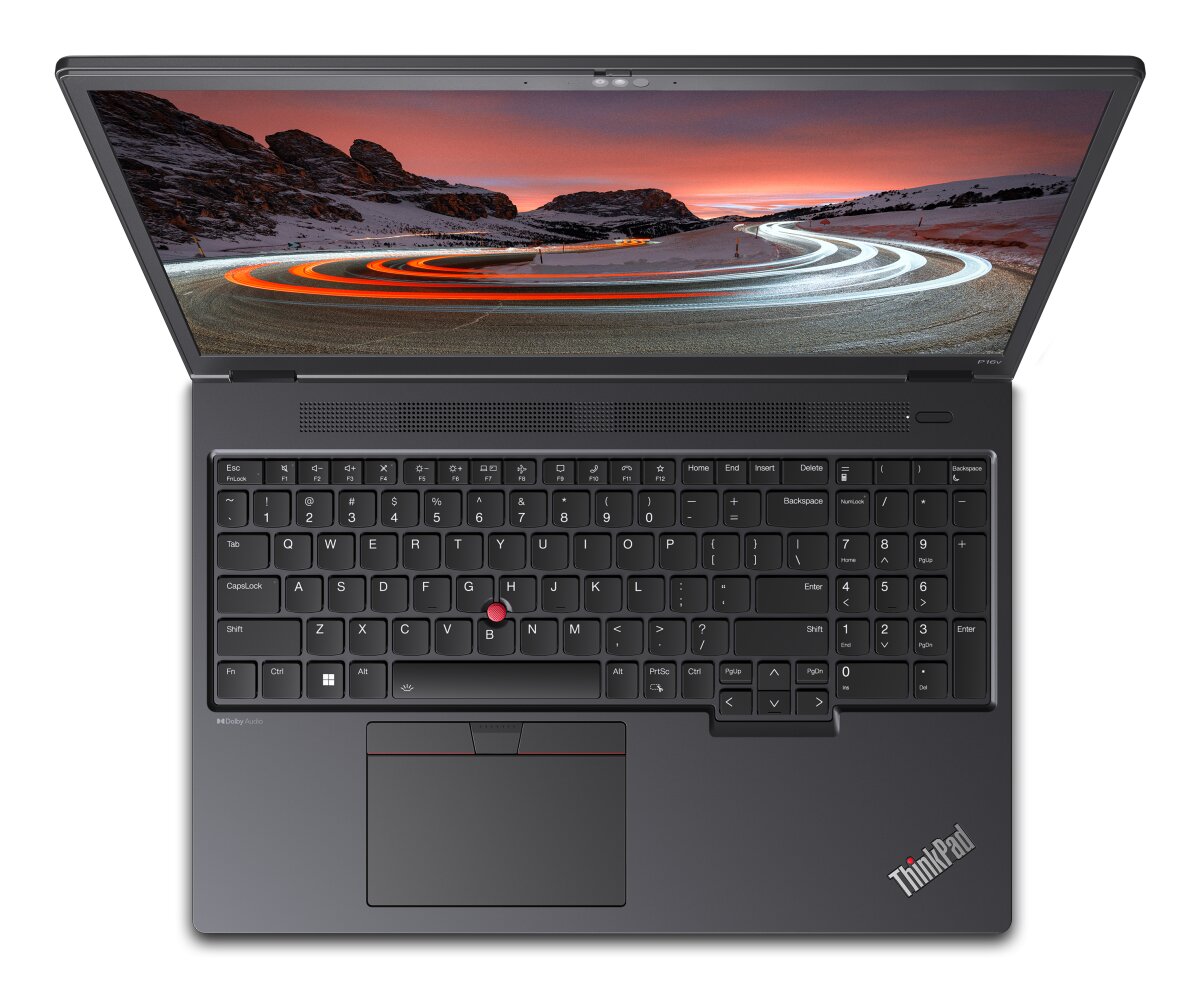
Lenovo ThinkPad P Series P16v Gen 1 (Intel) supports DDR5-SDRAM memory upgrades through 2x SO-DIMM slots. Maximum RAM capacity reaches 64 GB with DDR5 modules operating at 5600 MHz frequency. The SO-DIMM form factor enables memory expansion for compatible upgrades on the P16v Gen 1 (Intel) platform. Specifications indicate dual-slot configuration supporting DDR5-SDRAM technology for enhanced performance and multitasking capabilities.
Memory Upgrade Specifications
| Specification | Value |
|---|---|
| Memory slots | 2x SO-DIMM |
| Form factor | SO-DIMM |
| Memory type | DDR5-SDRAM |
| Frequency | 5600 MHz |
| Maximum RAM | 64 GB |
| Voltage | 1.1V |
| Number of pins | 262-pin |
| Interface | PC5 |
| PC Speed Rating | PC5-5600 (PC5-44800) |
| Bandwidth | 44.8 GB/s |
Additional Notes
- The ThinkPad P16v Gen 1 (Intel) implements DDR5 memory technology, preventing any backward compatibility with DDR4 modules due to different voltage requirements and physical notch positioning.
- The 5600 MHz frequency specification indicates JEDEC standard operation rather than overclocked profiles, ensuring stability without BIOS intervention or XMP configuration.
- The 64 GB ceiling requires installing 2 modules of 32 GB each, as the dual SO-DIMM configuration provides no alternative path to reach maximum capacity.
- Installing a single module forces the memory controller into single-channel mode, effectively halving theoretical bandwidth from approximately 89.6 GB/s to 44.8 GB/s.
- Mixed capacity configurations maintain dual-channel operation but may trigger asymmetric or flex mode, potentially limiting interleaving benefits depending on memory controller implementation.
- The SO-DIMM form factor restricts module height to 30mm, eliminating compatibility concerns related to heat spreader clearance common in desktop DIMM installations.
- ECC module compatibility depends on processor SKU and chipset support, which DDR5's on-die ECC does not replace for workstation-grade error correction requirements.
- Voltage operates at DDR5's standard 1.1V, reducing thermal output compared to DDR4's 1.2V baseline and improving power efficiency during sustained memory operations.
- Frequency matching between modules prevents forced downclocking, though mixing speeds causes the memory controller to default to the slowest installed module's rated speed.
- The platform's soldered components remain inaccessible for modification, making the SO-DIMM slots the exclusive user-serviceable upgrade pathway for system memory expansion.