LENOVO ThinkPad P16s Gen 1 RAM upgrade specifications

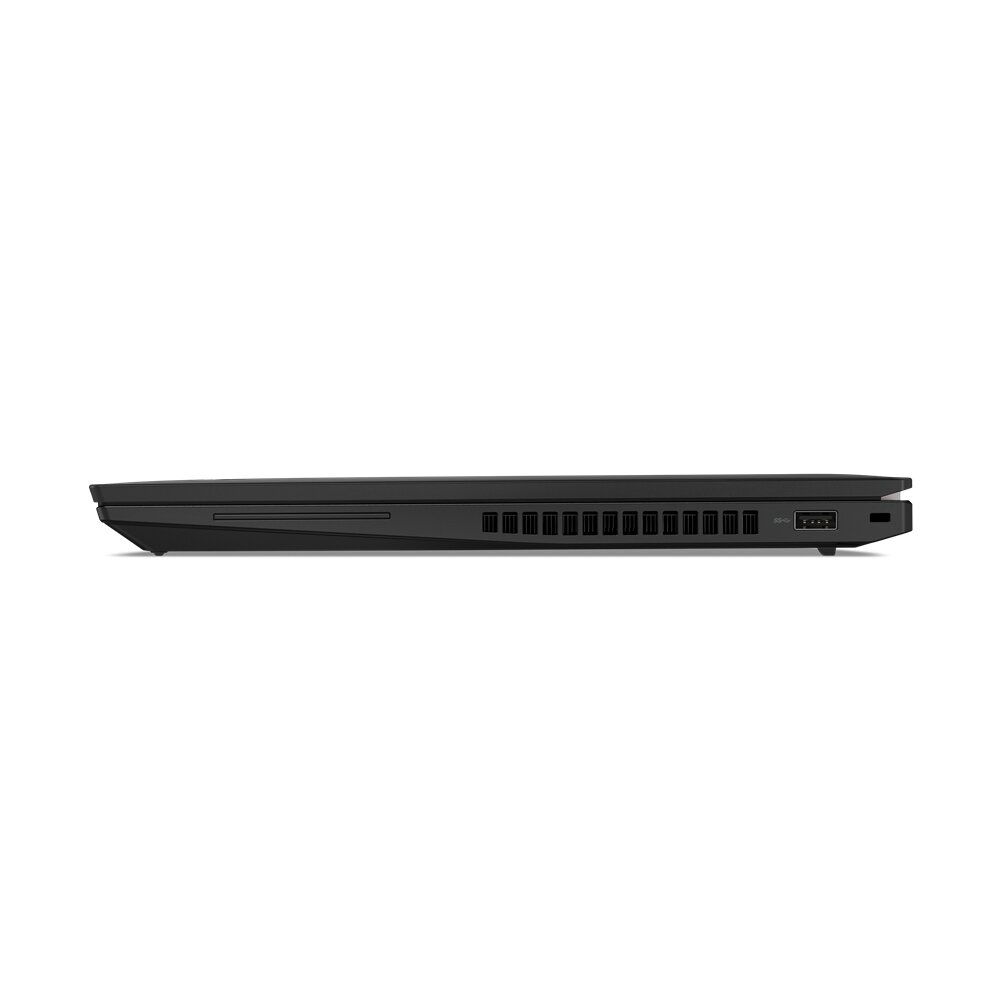
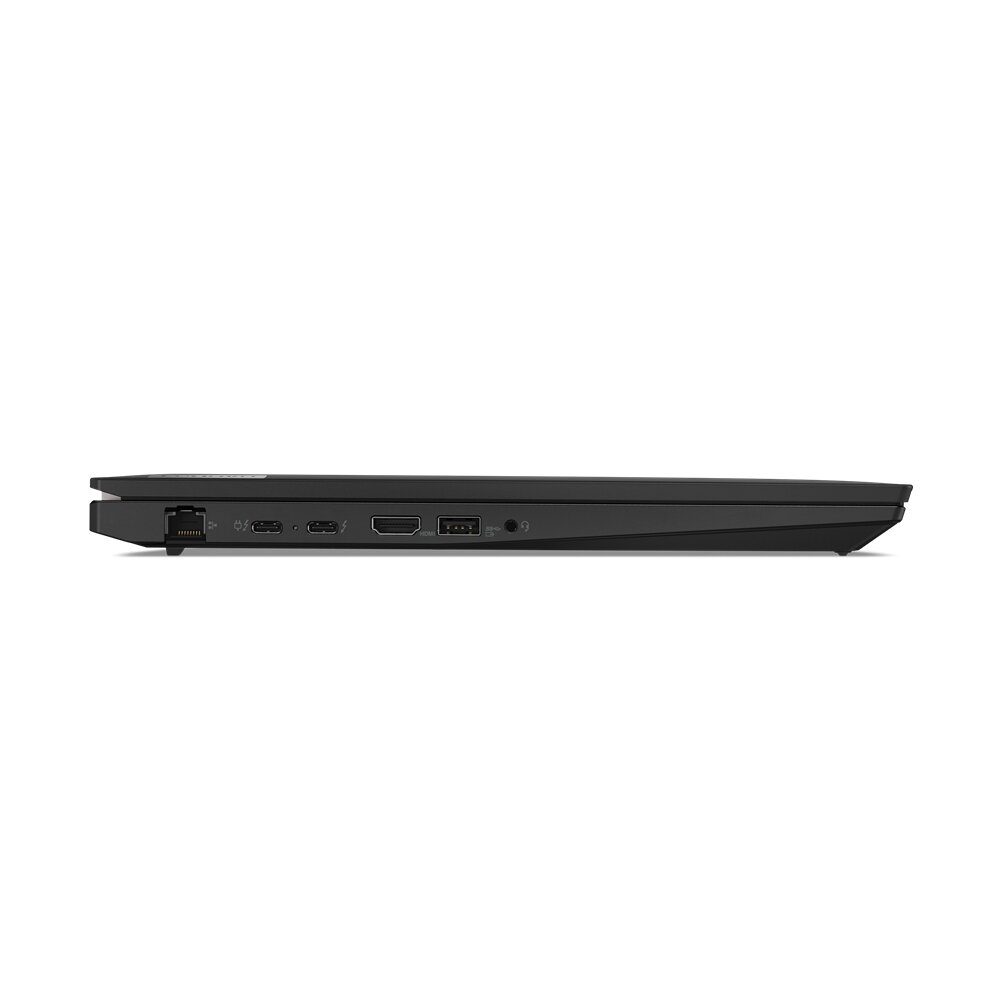
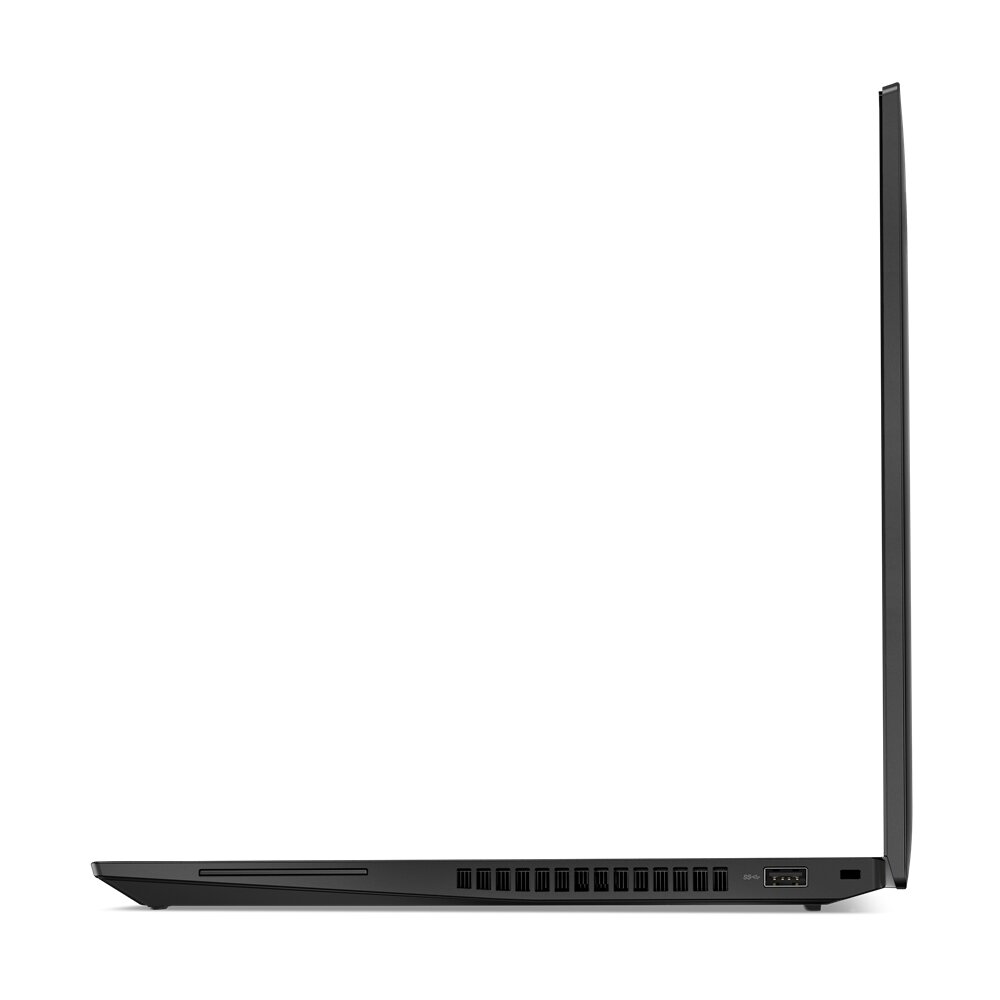
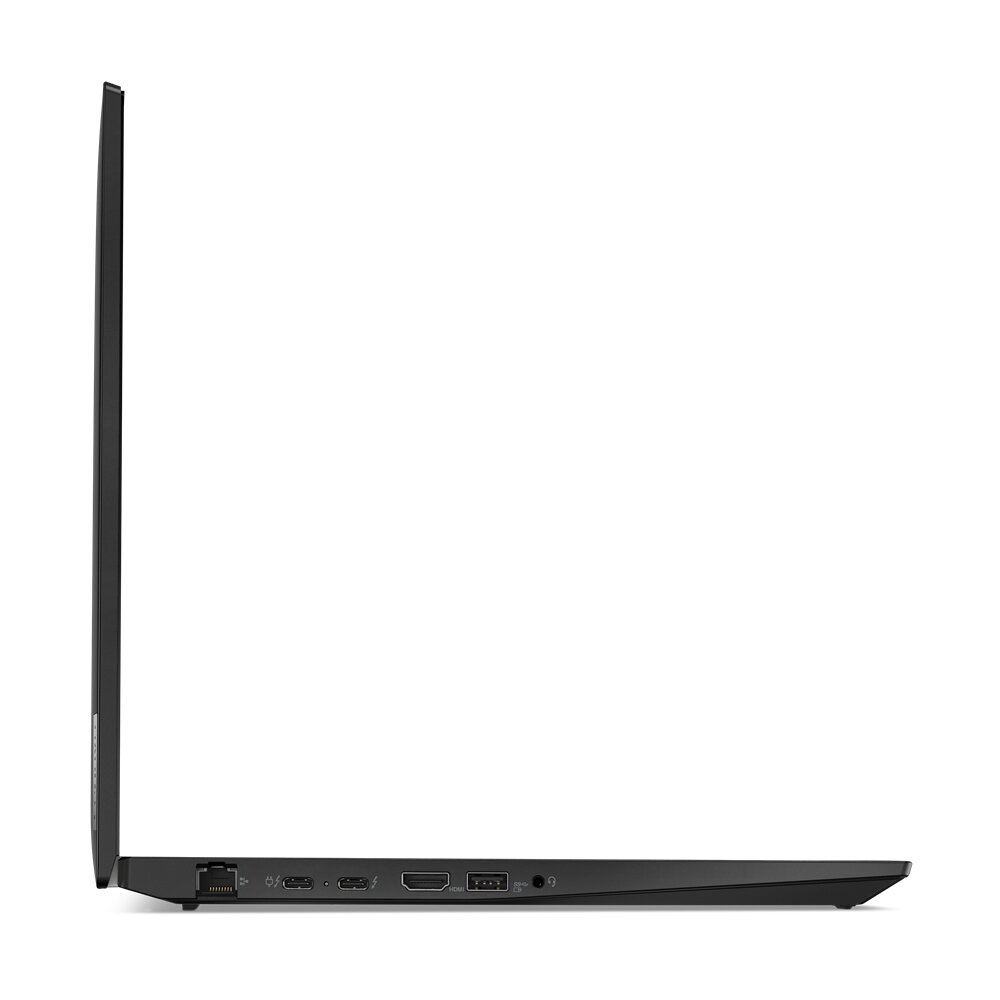
The LENOVO ThinkPad P series P16s Gen 1 laptop supports DDR4-SDRAM memory upgrades with specifications including 1x SO-DIMM slot for expandable capacity. Maximum RAM capacity reaches 48 GB through compatible SO-DIMM modules operating at 3200 MHz frequency. Memory upgrade slots utilize SO-DIMM form factor, with on-board memory configuration integrated into the system. These specifications define the compatible memory upgrade options and maximum capacity parameters for the P16s Gen 1 model.
Memory Upgrade Specifications
| Specification | Value |
|---|---|
| Memory slots | 1x SO-DIMM |
| Form factor | On-board + SO-DIMM |
| Memory type | DDR4-SDRAM |
| Frequency | 3200 MHz |
| Maximum RAM | 48 GB |
| Voltage | 1.2V |
| Number of pins | 260-pin |
| Interface | PC4 |
| PC Speed Rating | PC4-3200 (PC4-25600) |
| Bandwidth | 25.6 GB/s |
| Laptop Release date | 28 January 2022 |
Additional Notes
- The Lenovo ThinkPad P16s Gen 1 features a single SO-DIMM slot paired with soldered on-board memory, meaning RAM expansion is constrained to a single upgrade opportunity. The soldered component cannot be removed or replaced, which limits the total addressable memory ceiling regardless of SO-DIMM capacity.
- DDR4-3200 memory operates at a fixed frequency with no overclocking capability in mobile platforms. Substituting higher-frequency DDR4 modules (3600 MHz or above) will result in automatic downclocking to 3200 MHz specification, eliminating any speed advantage and wasting purchase expenditure on premium-tier RAM.
- Reaching the 48 GB maximum requires installing a 32 GB SO-DIMM module in the single available slot, as this is the highest-capacity single chip currently manufactured in DDR4 SO-DIMM form factor. Compatibility with future 40 GB or higher modules remains uncertain pending industry standardization.
- Installing SO-DIMM memory in this chassis typically requires disassembly of the bottom bezel or access panel. Warranty coverage for DIY RAM installation varies by region and Lenovo service contract terms; third-party installation may void coverage contingent on proof of damage caused by the upgrade procedure.
- The single-slot configuration creates a bandwidth bottleneck compared to dual-channel architectures. Multi-threaded workloads in professional software will experience latency penalties of approximately 5-15 percent relative to equivalent systems with dual-channel memory, though single-threaded performance remains unaffected.