LENOVO ThinkPad P15v Gen 3 RAM upgrade specifications


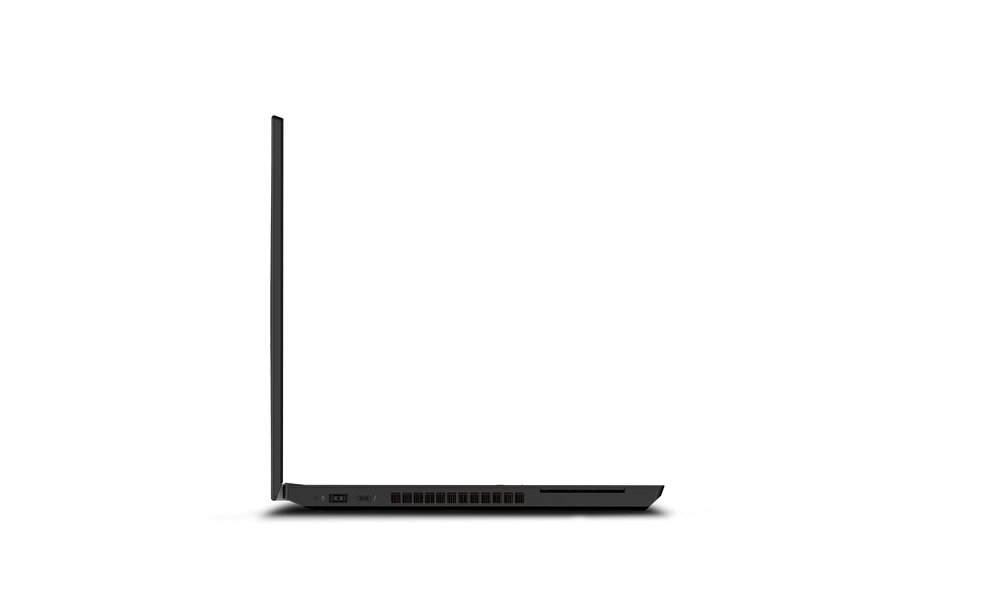
Lenovo ThinkPad P Series P15v Gen 3 laptop features two SO-DIMM memory slots supporting DDR5-SDRAM upgrade capacity. Maximum RAM specifications allow up to 64 GB total memory capacity at 4800 MHz frequency. Compatible memory upgrade components utilize SO-DIMM form factor. Specifications indicate dual-slot configuration for memory expansion, enabling users to upgrade from factory configurations to reach maximum supported memory capacity. DDR5 technology provides enhanced performance for the Lenovo ThinkPad P15v Gen 3 mobile workstation platform.
Memory Upgrade Specifications
| Specification | Value |
|---|---|
| Memory slots | 2x SO-DIMM |
| Form factor | SO-DIMM |
| Memory type | DDR5-SDRAM |
| Frequency | 4800 MHz |
| Maximum RAM | 64 GB |
| Voltage | 1.1V |
| Number of pins | 262-pin |
| Interface | PC5 |
| PC Speed Rating | PC5-4800 (PC5-38400) |
| Bandwidth | 38.4 GB/s |
Additional Notes
- The DDR5 architecture requires modules to be installed in matched pairs to achieve optimal dual-channel bandwidth, making single-stick upgrades functionally viable but potentially leaving half the memory controller's throughput unused.
- At 4800 MHz, the memory subsystem operates with a theoretical maximum bandwidth of 76.8 GB/s in dual-channel mode, which becomes critical for workloads involving large dataset manipulation or GPU-accelerated rendering tasks typical of mobile workstation use.
- The 64 GB ceiling translates to a maximum module density of 32 GB per slot, requiring purchasers to verify JEDEC compliance since non-standard or overclocked SO-DIMMs may fail POST or cause thermal throttling in this chassis.
- DDR5's on-die ECC feature differs from traditional server-grade error correction, providing single-bit error recovery without appearing in BIOS as a user-configurable option, which affects reliability expectations in mission-critical environments.
- SO-DIMM installation in the Lenovo ThinkPad P15v Gen 3 typically requires complete bottom panel removal rather than dedicated access doors, increasing the risk of accidental cable disconnection or screw-thread stripping during self-service upgrades.
- Mixing DDR5 modules with different CAS latencies will force the memory controller to downclock all sticks to the slowest common timings, effectively negating the speed advantage of premium kits.
- The power delivery architecture for DDR5 shifts voltage regulation onto the module itself via a PMIC, meaning thermal dissipation occurs directly at the RAM rather than the motherboard, which can influence sustained performance under extended computational loads.
- Warranty preservation depends on adherence to the manufacturer's Customer Replaceable Unit policies, where RAM typically qualifies as user-serviceable but voids coverage if improper installation damages adjacent components like the SO-DIMM slots or retention clips.
- Unlike DDR4 systems that tolerated moderate speed mismatches, DDR5 controllers enforce stricter compatibility matrices, making mixed-brand configurations more prone to training failures during boot sequences.
- The absence of native XMP/EXPO support in most mobile workstation BIOS implementations means advertised speeds above JEDEC standard 4800 MHz will revert to baseline specifications regardless of module capability.