LENOVO ThinkPad P15v Gen 1 RAM upgrade specifications
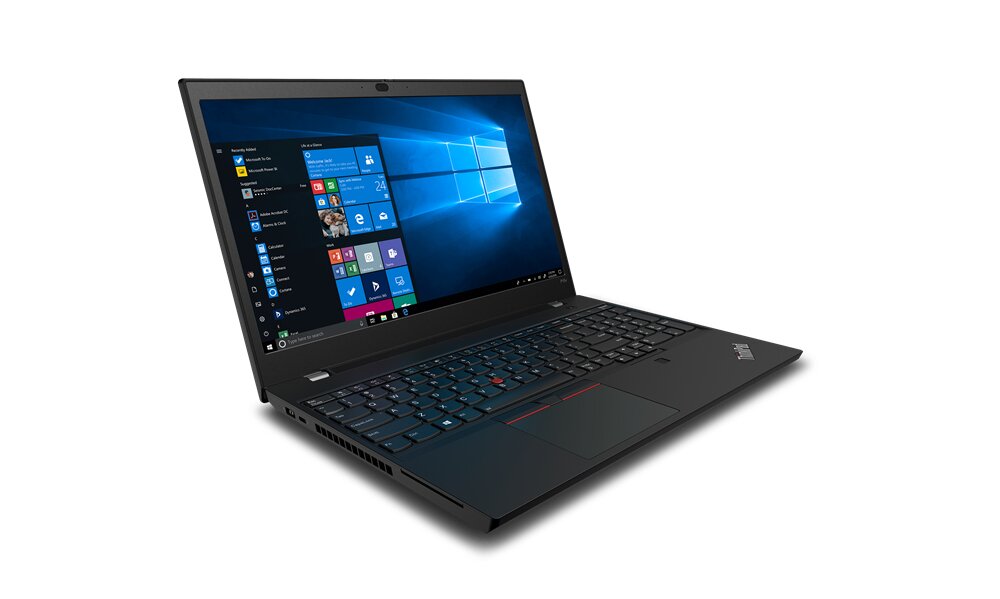
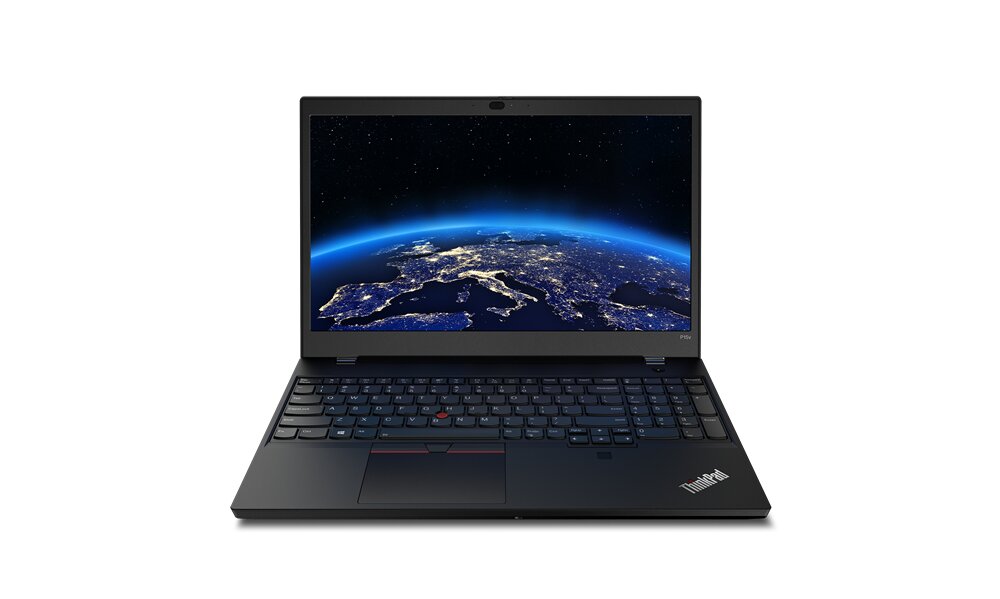
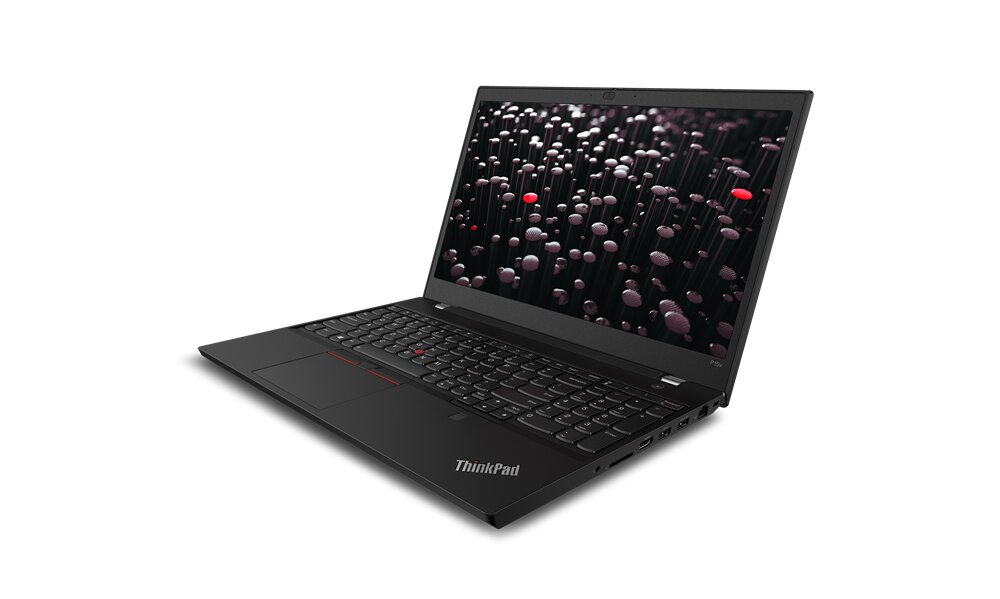
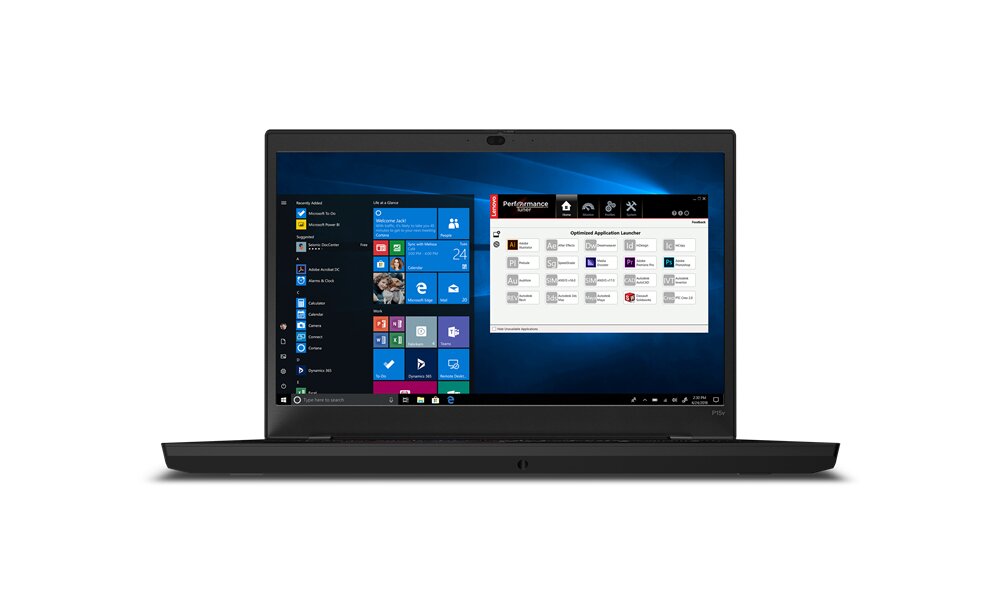
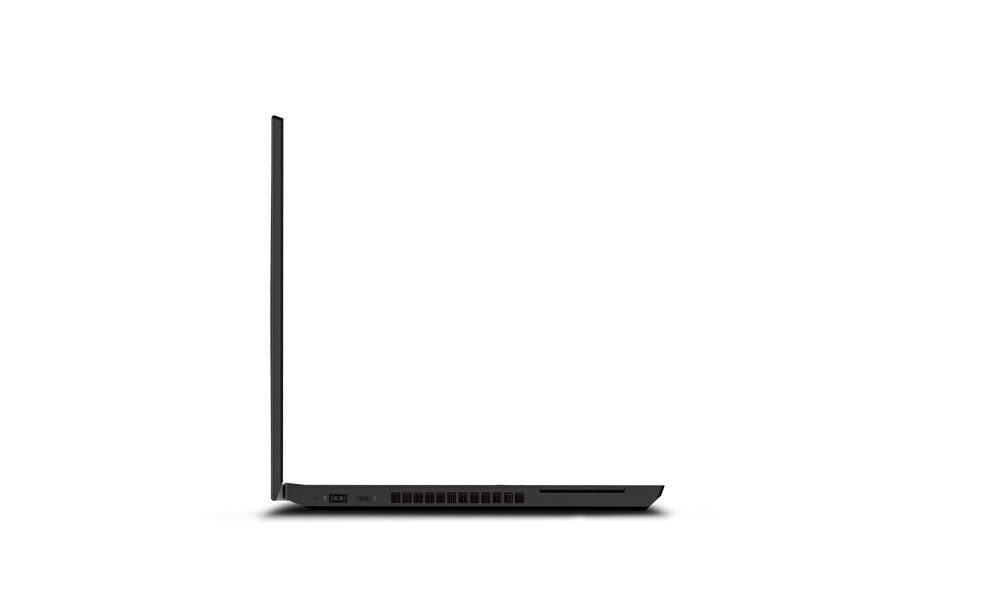
The Lenovo ThinkPad P series P15v Gen 1 laptop features two SO-DIMM slots for memory upgrade compatibility. This model supports DDR4-SDRAM memory modules operating at 2933 MHz frequency. Maximum RAM capacity reaches 64 GB total, allowing significant upgrade potential from factory configurations. Compatible memory specifications require DDR4-SDRAM SO-DIMM form factor modules matching the designated frequency parameters for optimal performance and system stability.
Memory Upgrade Specifications
| Specification | Value |
|---|---|
| Memory slots | 2x SO-DIMM |
| Form factor | SO-DIMM |
| Memory type | DDR4-SDRAM |
| Frequency | 2933 MHz |
| Maximum RAM | 64 GB |
| Voltage | 1.2V |
| Number of pins | 260-pin |
| Interface | PC4 |
| PC Speed Rating | PC4-2933 (PC4-23464) |
| Bandwidth | 23.5 GB/s |
Additional Notes
- The DDR4-SDRAM specification limits future compatibility to fourth-generation double data rate modules, preventing adoption of DDR5 technology without motherboard replacement.
- The 2933 MHz frequency represents the maximum supported data transfer rate for the memory controller, meaning higher-speed modules will operate at reduced speeds when installed.
- The SO-DIMM form factor requirement excludes standard desktop DIMM modules from physical compatibility due to differing pin counts and connector dimensions.
- The 2-slot configuration creates a direct trade-off between capacity and dual-channel optimization, as achieving 64 GB maximum requires both slots to be populated with 32 GB modules.
- Mixing memory modules with different speeds will force all installed RAM to operate at the frequency of the slowest module present in the system.
- The LENOVO ThinkPad P15v Gen 1 architecture relies on matched pairs for maximum memory bandwidth, though asymmetric configurations remain functionally operational with reduced performance.
- Single-slot population eliminates dual-channel memory access, potentially creating bandwidth constraints for graphics-intensive applications that share system memory.
- The 32 GB per-slot density ceiling reflects chipset-level addressing limitations that cannot be overcome through firmware updates.
- Non-ECC unbuffered modules are typically required for consumer-grade mobile platforms, while ECC variants may cause compatibility issues or boot failures.
- Voltage specifications for DDR4 typically standardize at 1.2V, though some modules operate at 1.35V and may impact thermal performance or battery consumption.
- Accessing memory slots in mobile workstations often requires bottom panel removal, with potential warranty implications if service seals are broken during user installation.
- Thermal throttling may occur when both slots contain high-capacity modules operating at maximum frequency under sustained workloads.