LENOVO ThinkPad P50 RAM upgrade specifications
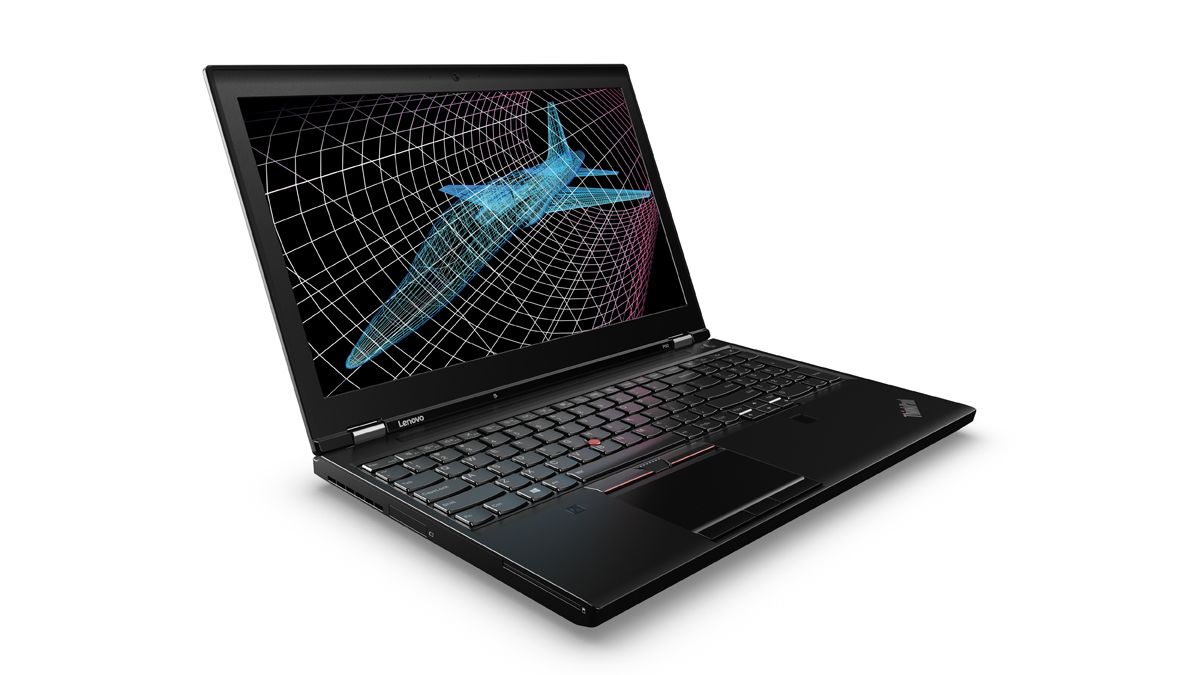
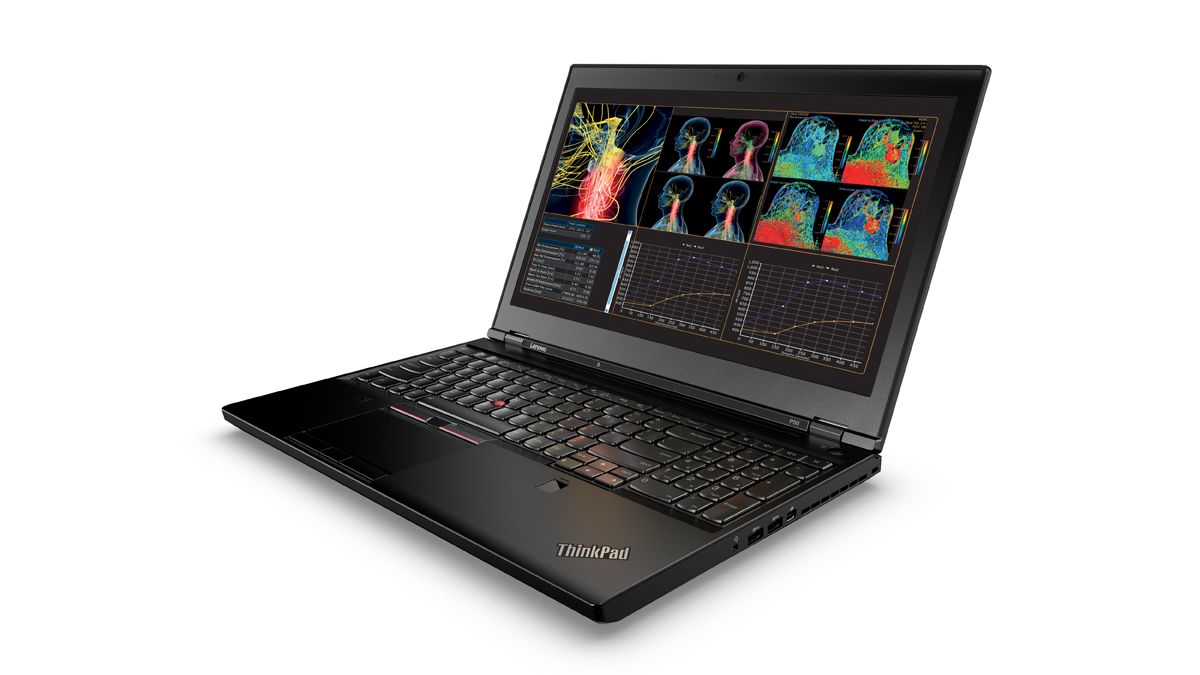
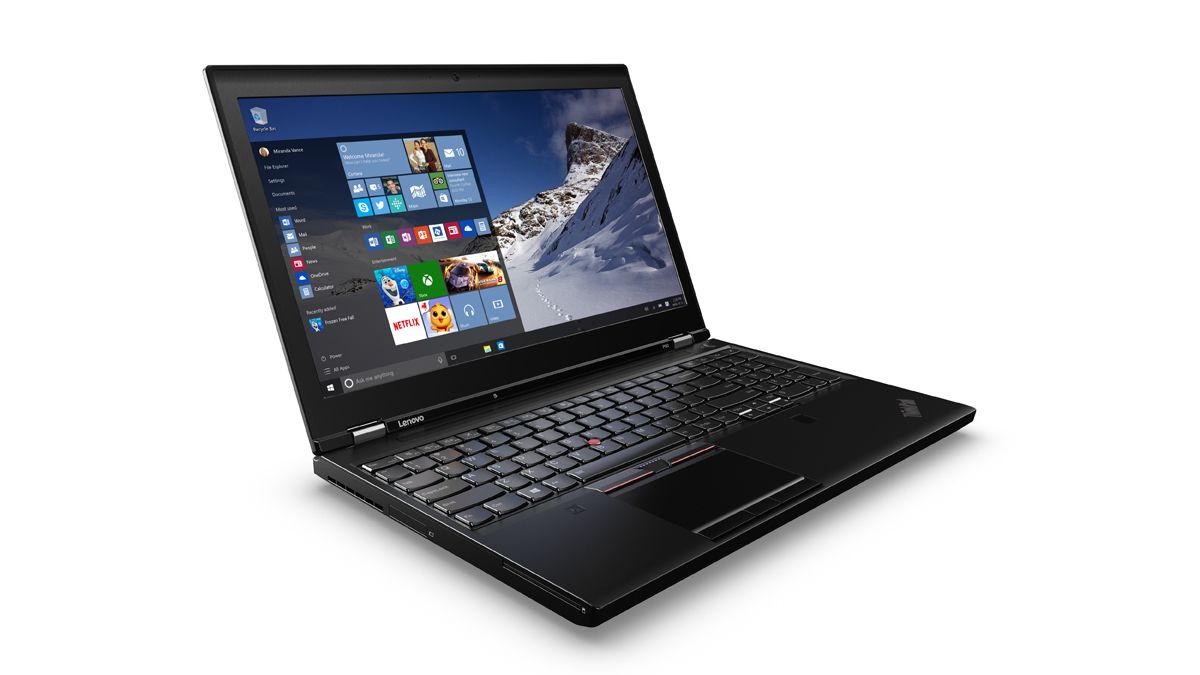
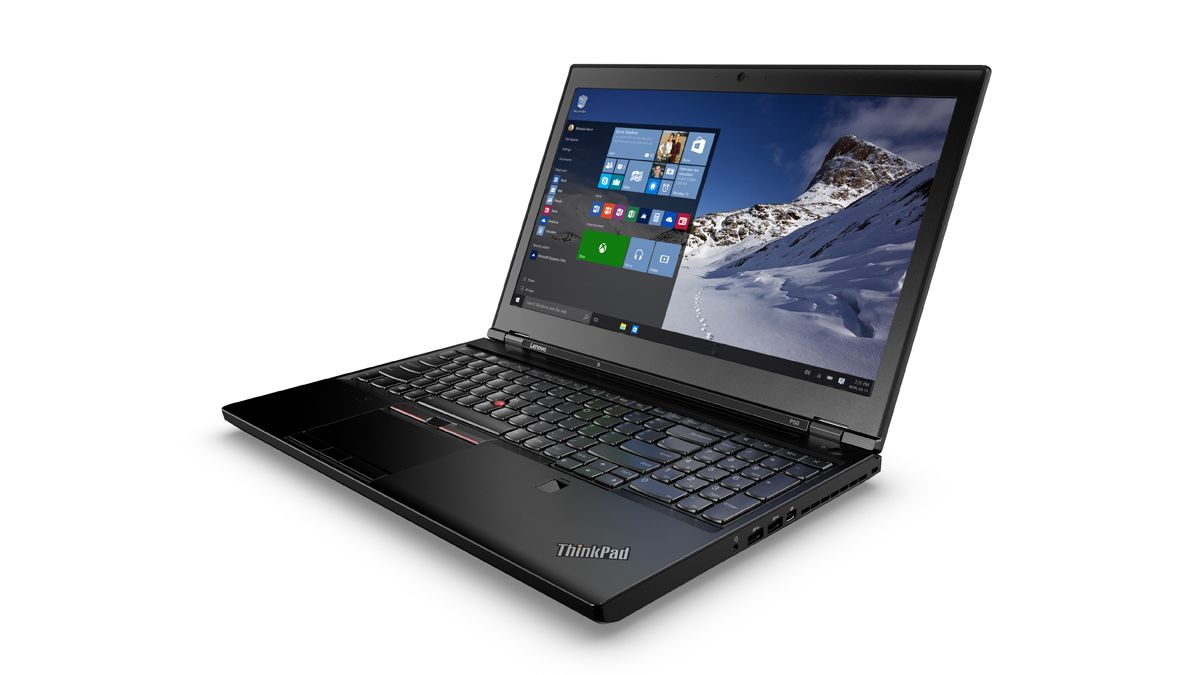
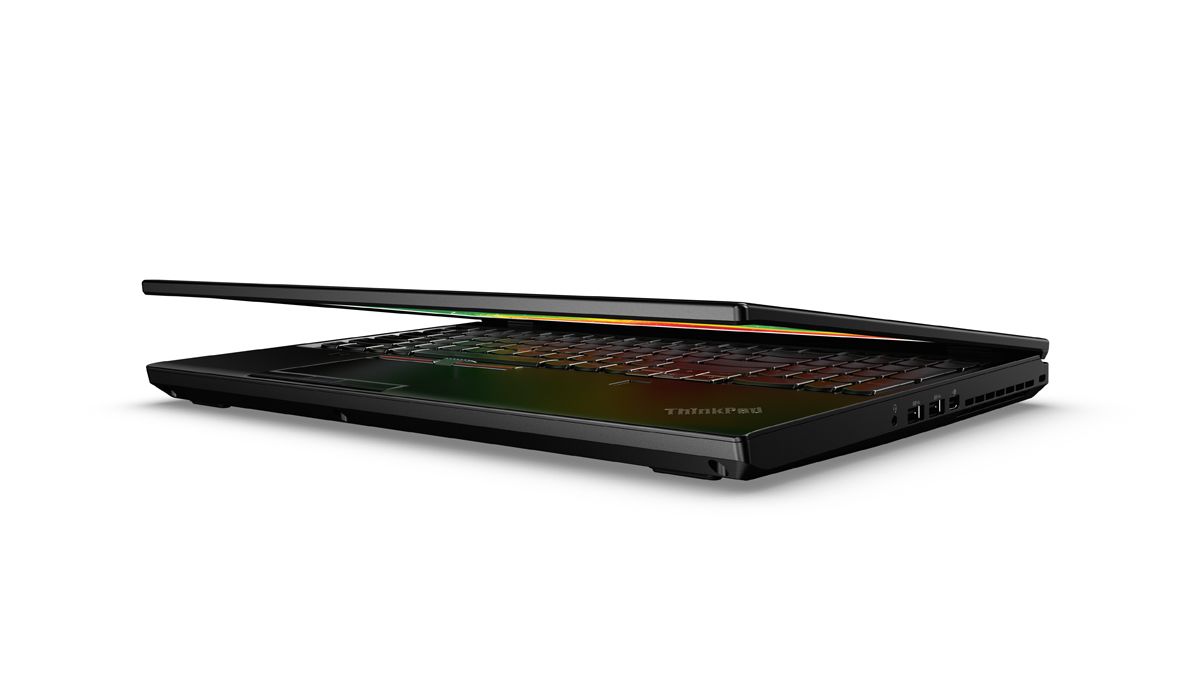
The Lenovo ThinkPad P50 workstation supports DDR4-SDRAM memory upgrades through four SO-DIMM slots. Maximum memory capacity reaches 64 GB total. Compatible memory operates at 2133 MHz frequency. Upgrade specifications indicate SO-DIMM form factor modules are required for this professional notebook. Memory expansion provides enhanced multitasking and application performance for the P50 platform.
Memory Upgrade Specifications
| Specification | Value |
|---|---|
| Memory slots | 4x SO-DIMM |
| Form factor | SO-DIMM |
| Memory type | DDR4-SDRAM |
| Frequency | 2133 MHz |
| Maximum RAM | 64 GB |
| Voltage | 1.2V |
| Number of pins | 260-pin |
| Interface | PC4 |
| PC Speed Rating | PC4-2133 (PC4-17064) |
| Bandwidth | 17.1 GB/s |
| Laptop Release date | 03 August 2017 |
Additional Notes
- Access to the primary memory slots requires removal of the keyboard assembly, while secondary slots are accessible via the bottom base cover.
- Utilizing all 4 slots enables a quad-channel memory configuration which scales bandwidth for memory-intensive workstation workloads.
- Mixing ECC and non-ECC modules results in a system hang or a failure to post because the memory controller cannot bridge the two technologies simultaneously.
- Installing modules with frequencies higher than 2133 MHz causes the system to down-clock the RAM to match the bus speed limitations of the Skylake processor architecture.
- Achieving the 64 GB maximum capacity necessitates 16 GB modules in every slot as the motherboard does not support 32 GB single-stick dense modules.
- Thermal constraints within the chassis suggest that memory modules with large integrated heat spreaders will interfere with the physical seating of the keyboard or base plate.
- The platform requires 1.2 volt modules to maintain stability as higher voltage overclocking RAM may trigger over-current protection or cause BIOS instability.
- Occupying all 4 slots increases the load on the integrated memory controller which might lead to slightly higher power consumption and heat generation during heavy rendering tasks.