LENOVO ThinkPad T570 RAM upgrade specifications
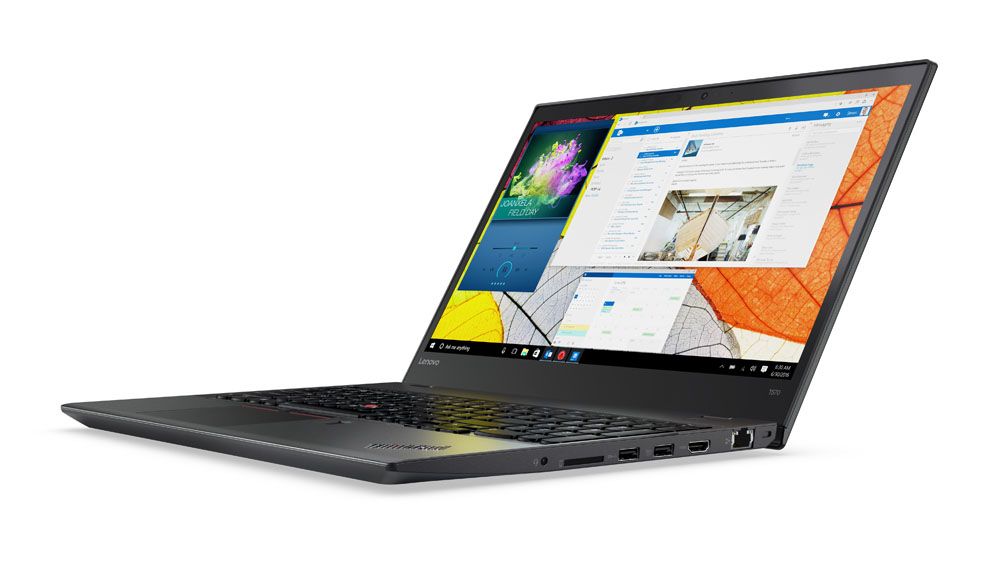
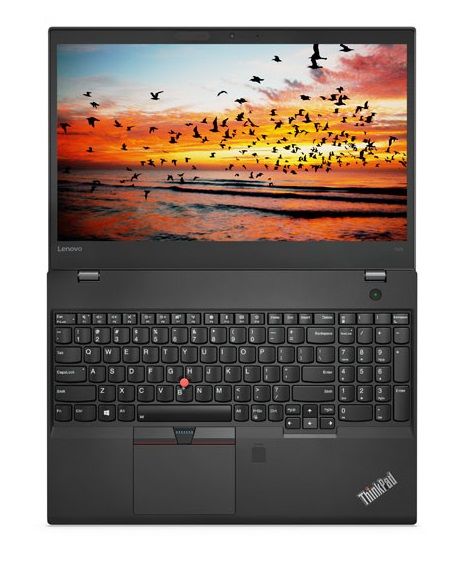
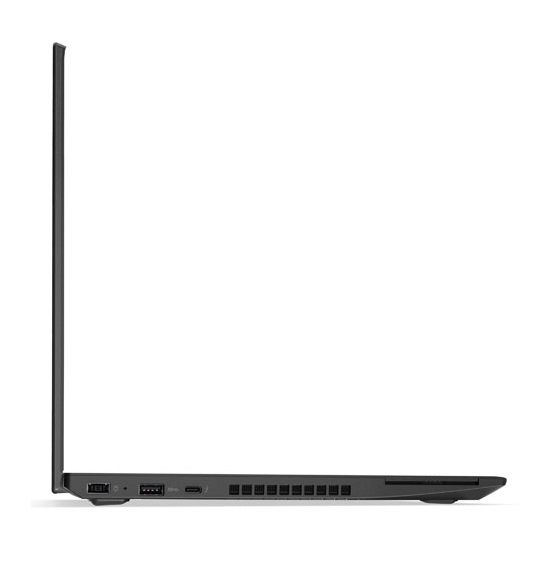
Lenovo ThinkPad T570 supports DDR4-SDRAM memory upgrades utilizing 2x SO-DIMM slots. Maximum RAM capacity reaches 32 GB with memory operating at 2133 MHz frequency. Compatible upgrades utilize SO-DIMM form factor specifications. Memory expansion specifications enable users to increase system RAM from original configuration to maximum supported capacity of 32 GB total RAM installed across the two available memory slots.
Memory Upgrade Specifications
| Specification | Value |
|---|---|
| Memory slots | 2x SO-DIMM |
| Form factor | SO-DIMM |
| Memory type | DDR4-SDRAM |
| Frequency | 2133 MHz |
| Maximum RAM | 32 GB |
| Voltage | 1.2V |
| Number of pins | 260-pin |
| Interface | PC4 |
| PC Speed Rating | PC4-2133 (PC4-17064) |
| Bandwidth | 17.1 GB/s |
| Laptop Release date | 10 February 2017 |
Additional Notes
- Dual channel memory architecture requires populated pairs of matched modules to achieve theoretical maximum bandwidth across the 128 bit bus.
- Utilizing memory modules with clock speeds exceeding 2133 MHz results in automatic downclocking to the system bus frequency dictated by the Skylake or Kaby Lake processor architecture.
- Physical chassis height permits only standard SO-DIMM profiles which prevents the installation of modules equipped with tall integrated heat spreaders.
- The absence of soldered memory on the motherboard allows for a total replacement of the factory memory configuration without being limited by fixed base capacities.
- System stability depends on the use of Unbuffered Non-ECC modules as the chipset lacks the wiring and logic for Error Correction Code processing.
- Achieving the 32 GB threshold requires the use of high density 16 GB modules per slot because the firmware does not support 32 GB single stick densities.
- Latency performance is governed by the Column Address Strobe timings defined in the BIOS which may override the Extreme Memory Profile settings of high performance aftermarket kits.
- Upgrading memory requires the temporary disablement of the internal bridge battery within the UEFI menu to prevent electrical shorting during component handling.