LENOVO ThinkPad W530 RAM upgrade specifications
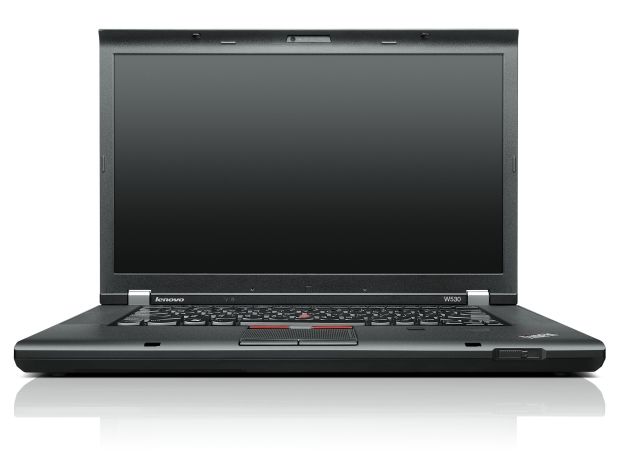
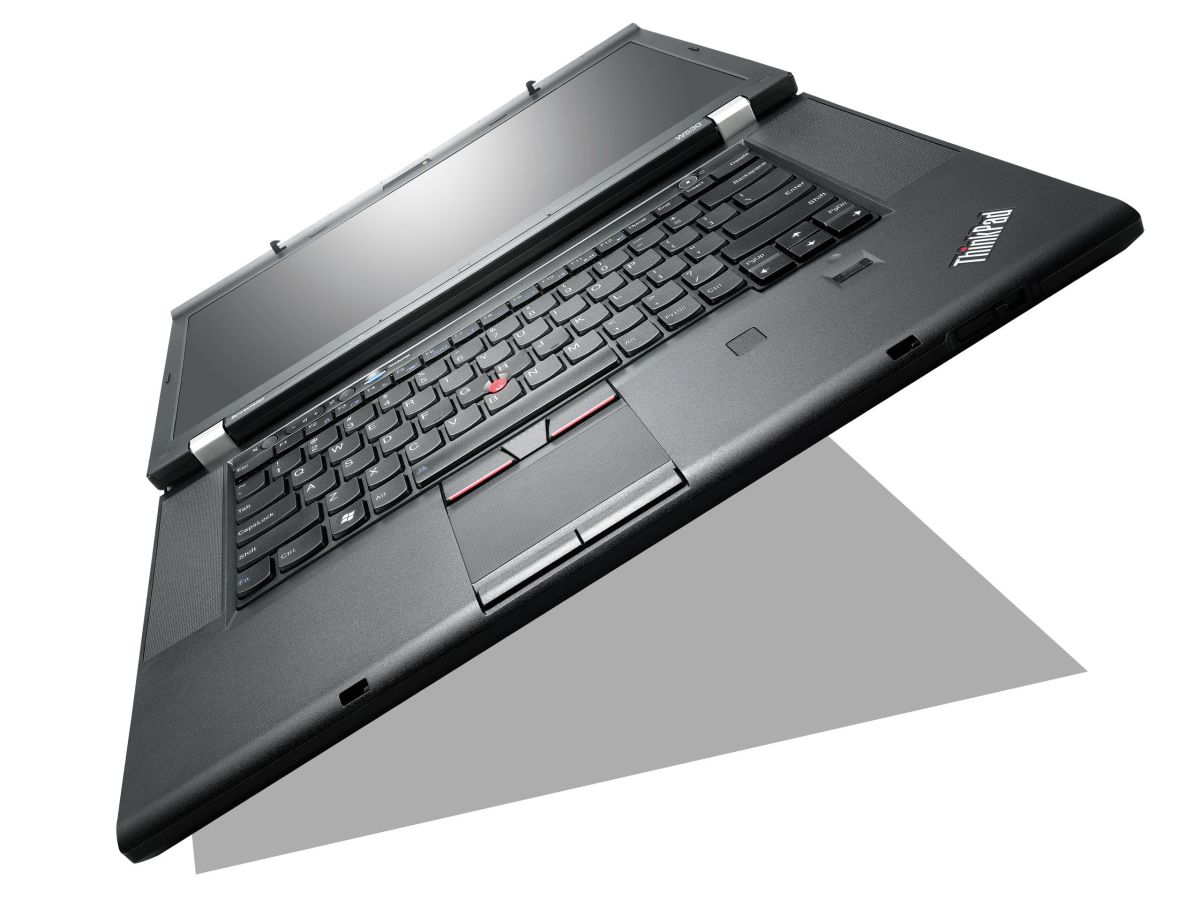
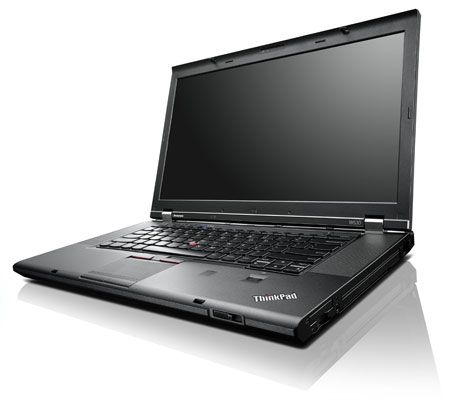

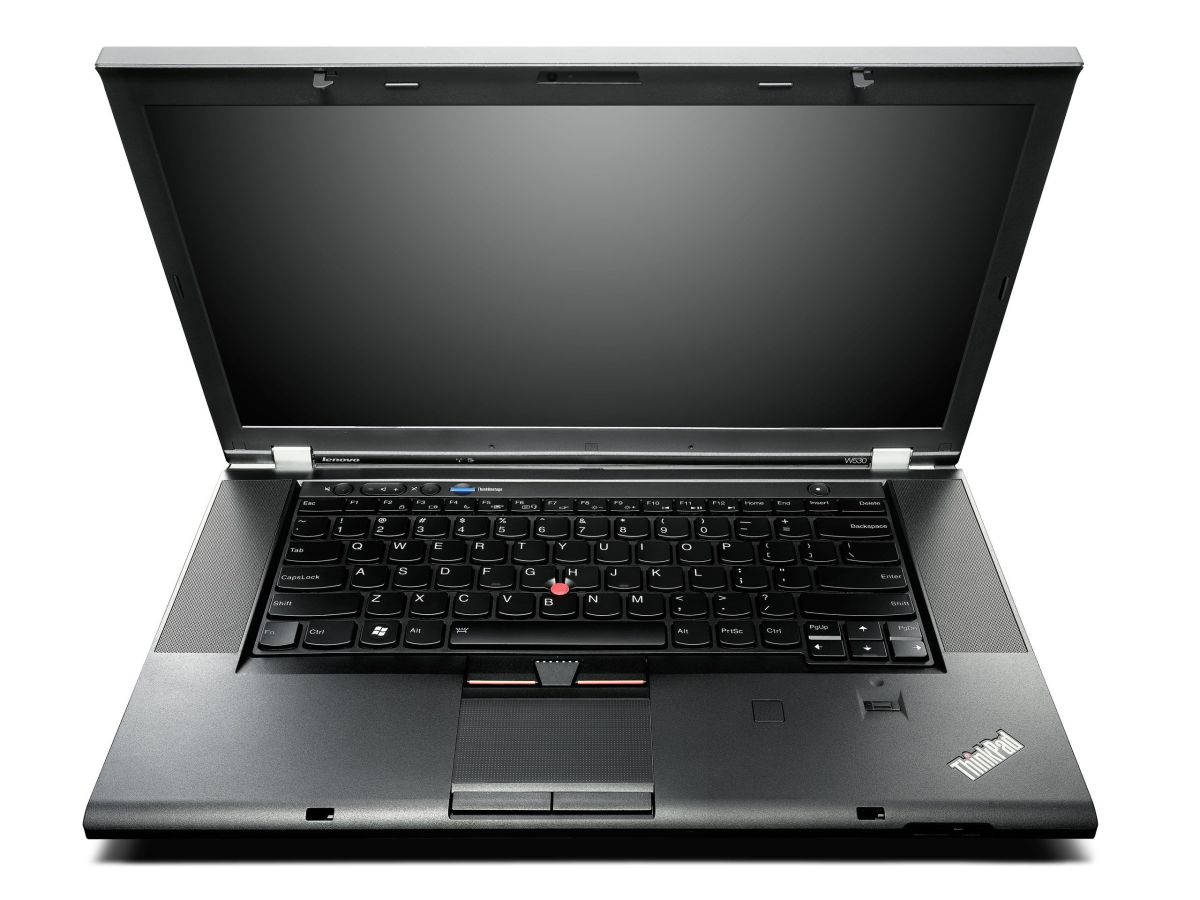
The Lenovo ThinkPad W530 features four SO-DIMM memory slots supporting DDR3-SDRAM upgrade specifications. Maximum RAM capacity reaches 32 GB total, with compatible modules operating at 1600 MHz frequency. Upgrade specifications indicate SO-DIMM form factor compatibility for all memory slots. The W530 series accommodates memory expansion through standard DDR3 modules, allowing configuration of single or multiple RAM upgrades across available slots to achieve maximum capacity specifications.
Memory Upgrade Specifications
| Specification | Value |
|---|---|
| Memory slots | 4x SO-DIMM |
| Form factor | SO-DIMM |
| Memory type | DDR3-SDRAM |
| Frequency | 1600 MHz |
| Maximum RAM | 32 GB |
| Voltage | 1.5V |
| Number of pins | 204-pin |
| Interface | PC3 |
| PC Speed Rating | PC3-1600 (PC3-12800) |
| Bandwidth | 12.8 GB/s |
| Laptop Release date | 12 September 2017 |
Additional Notes
- DDR3-SDRAM operates at lower voltage (1.5V standard) compared to DDR4, preventing accidental installation of incompatible newer modules that physically differ in notch positioning.
- The 1600 MHz specification indicates PC3-12800 rating requirement, meaning modules rated at higher frequencies will downclock to match this native speed without performance gain.
- Four SO-DIMM slots enable dual-channel memory architecture when populated in matched pairs, requiring identical capacity and speed modules in corresponding channels for optimal bandwidth utilization.
- The 32 GB maximum capacity constraint originates from chipset addressing limitations, making 4x8GB the highest stable configuration regardless of individual module availability up to 16GB.
- SO-DIMM form factor modules measure 67.6mm in length versus standard DIMM at 133.35mm, physically incompatible with desktop memory despite identical DDR3 electrical specifications.
- Installation requires bottom panel removal on this chassis, with slots positioned beneath the keyboard assembly rather than through a dedicated service door.
- Mixed capacity configurations (such as 16GB + 8GB) will function but force the memory controller to operate in flex mode rather than symmetric dual-channel mode, reducing peak bandwidth.
- Non-ECC unbuffered modules are required for this consumer-grade platform, as registered or ECC memory will either fail POST or operate with error correction disabled.
- CAS latency timings (CL9, CL10, CL11) will auto-negotiate to the slowest module installed when mixing specifications, potentially degrading response times in latency-sensitive applications.
- The DDR3 generation lacks support for XMP (Extreme Memory Profile) automatic overclocking on mobile platforms, requiring manual BIOS timing adjustments for any performance tuning.
- Single-rank versus dual-rank module architecture affects banking behavior, with dual-rank 8GB modules potentially providing marginal performance advantages in multi-threaded workloads despite identical capacity.
- Third-party memory installation does not void Lenovo warranty under Magnuson-Moss Warranty Act provisions, though damage caused during installation remains user responsibility.