MSI Alpha 15 B5EEK-093IT RAM upgrade specifications


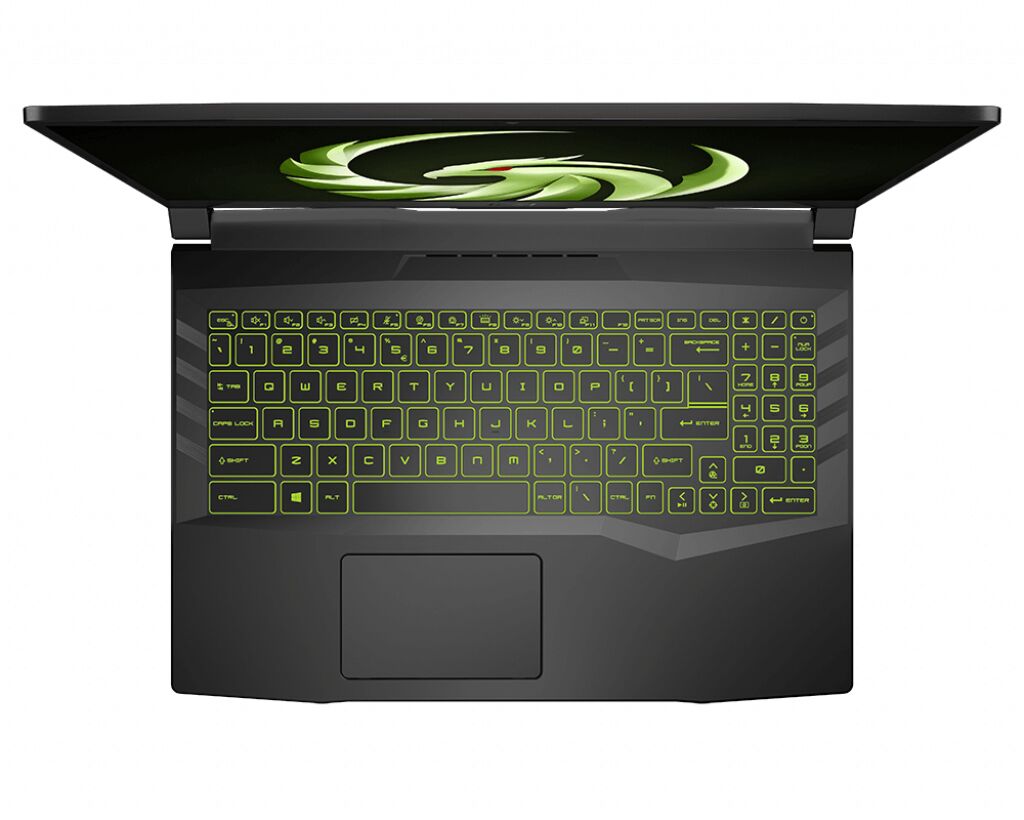
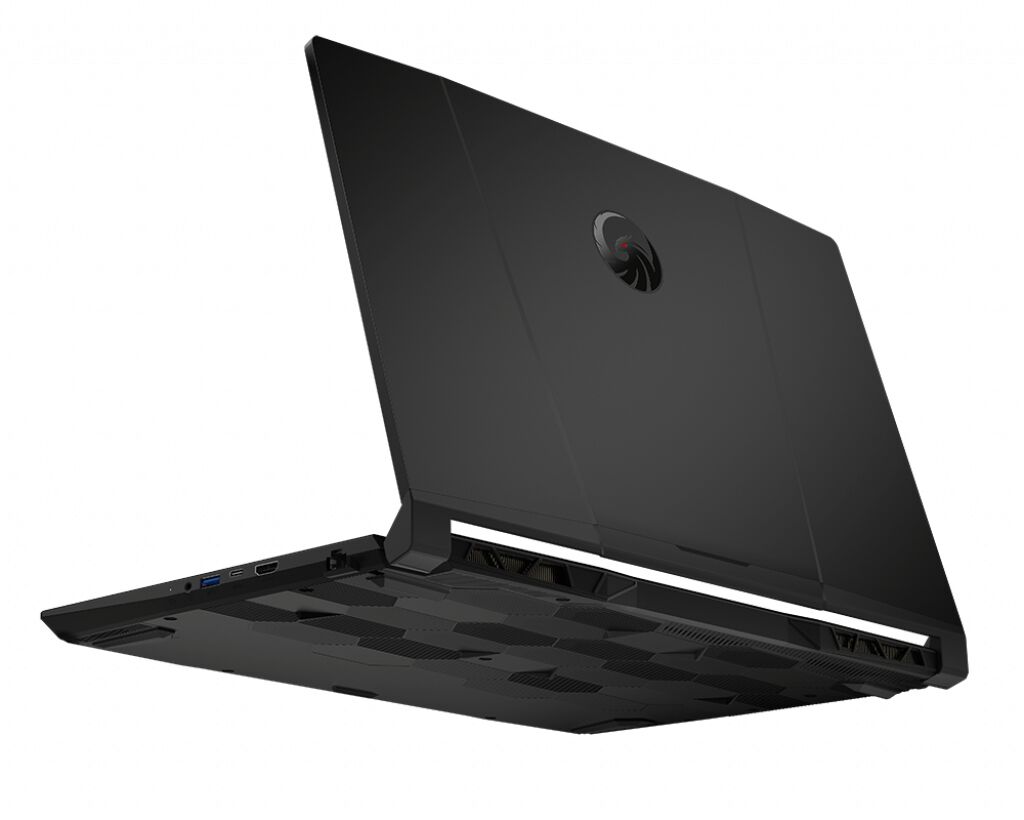
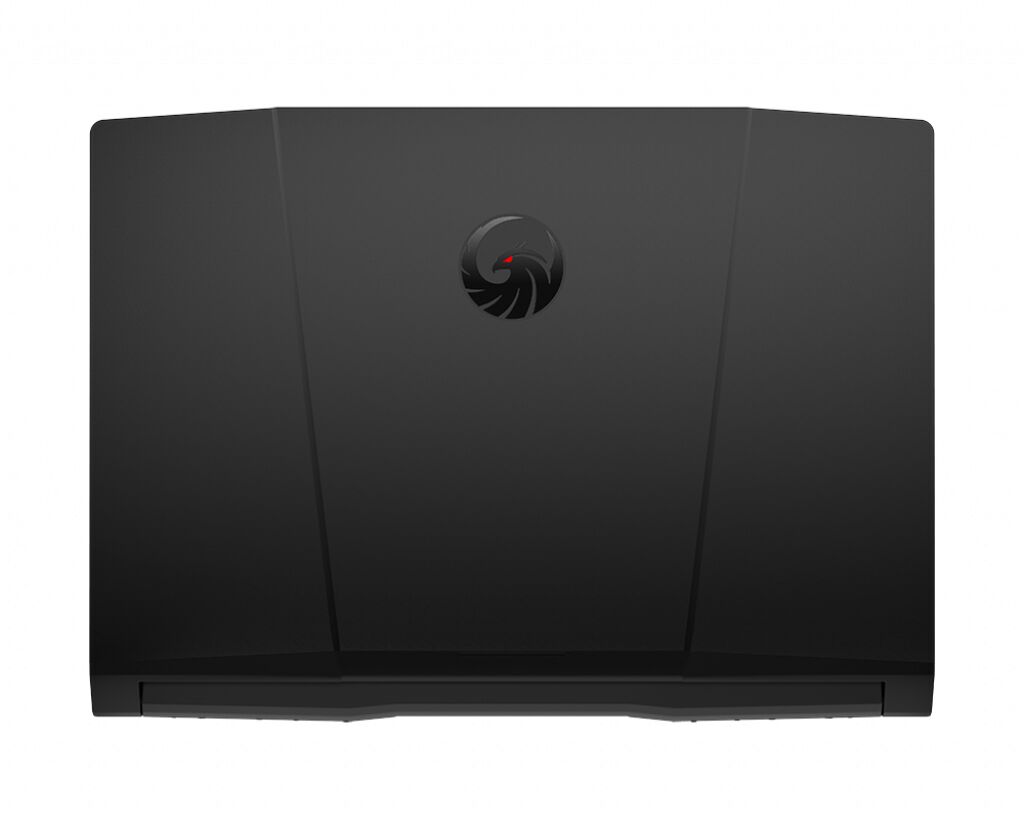
The MSI Alpha 15 B5EEK-093IT laptop contains 2x SO-DIMM memory slots compatible with DDR4-SDRAM upgrade modules. Maximum RAM capacity reaches 64 GB when both slots are populated with compatible memory specifications. The laptop supports DDR4 memory operating at 3200 MHz frequency. RAM upgrade options allow users to expand memory capacity from the factory configuration by installing compatible SO-DIMM form factor modules in available slots. Specifications indicate this model accommodates memory upgrades up to the maximum supported capacity of 64 GB total RAM configuration.
Memory Upgrade Specifications
| Specification | Value |
|---|---|
| Memory slots | 2x SO-DIMM |
| Form factor | SO-DIMM |
| Memory type | DDR4-SDRAM |
| Frequency | 3200 MHz |
| Maximum RAM | 64 GB |
| Voltage | 1.2V |
| Number of pins | 260-pin |
| Interface | PC4 |
| PC Speed Rating | PC4-3200 (PC4-25600) |
| Bandwidth | 25.6 GB/s |
| Laptop Release date | 25 October 2021 |
Additional Notes
- The MSI Alpha 15 B5EEK-093IT architecture supports dual-channel memory operation, enabling doubled theoretical bandwidth compared to single-module configurations when both slots contain matched capacity modules.
- DDR4-3200 represents the JEDEC specification ceiling for standard DDR4 technology, meaning higher frequency modules will downclock to 3200 MHz unless XMP/DOCP profiles are supported and enabled in BIOS.
- The 64 GB maximum capacity constraint originates from chipset memory controller limitations rather than physical slot availability, requiring 32 GB density modules per slot to reach this threshold.
- SO-DIMM form factor modules measure 67.6 mm in length versus 133.35 mm for desktop DIMM modules, making desktop memory physically incompatible despite identical DDR4 electrical specifications.
- Single-rank versus dual-rank module topology at identical capacities will produce measurable performance differences in memory-intensive workloads, with dual-rank configurations typically offering 5-15% higher throughput.
- Mixing modules with different speeds will force all installed memory to operate at the lowest common frequency, potentially underutilizing faster modules if paired with slower DDR4-2666 or DDR4-2933 specifications.
- Voltage requirements for standard DDR4-3200 modules remain fixed at 1.2V, while overclocking-oriented modules may specify 1.35V or higher, potentially triggering stability issues if the memory controller lacks voltage adjustment capabilities.
- The dual-slot configuration limits upgrade flexibility compared to 4-slot desktop systems, as capacity expansion beyond initial installation requires complete module replacement rather than additive installation.
- CAS latency specifications interact with frequency to determine true memory responsiveness, where DDR4-3200 CL22 modules deliver equivalent real-world latency to DDR4-2666 CL18 despite the frequency advantage.
- Non-ECC unbuffered modules represent the only compatible architecture for this consumer platform, as registered or ECC memory types require server-grade chipsets not present in gaming-oriented designs.