MSI Alpha 15 B5EEK-234AU RAM upgrade specifications

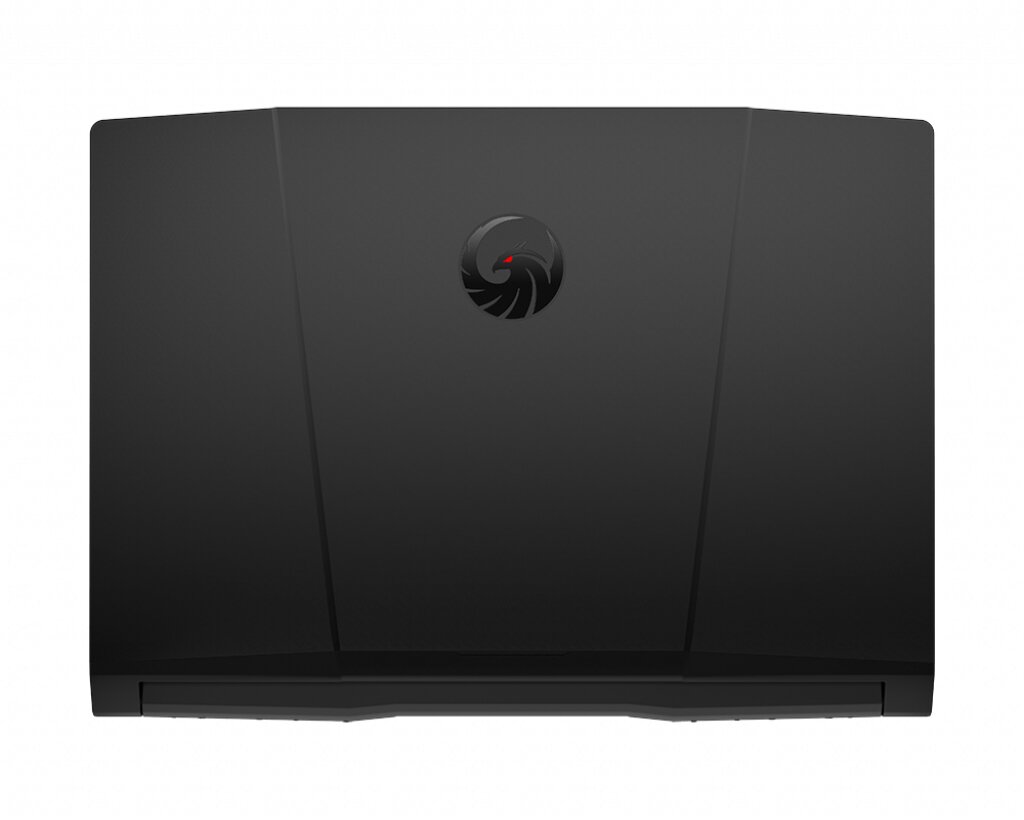

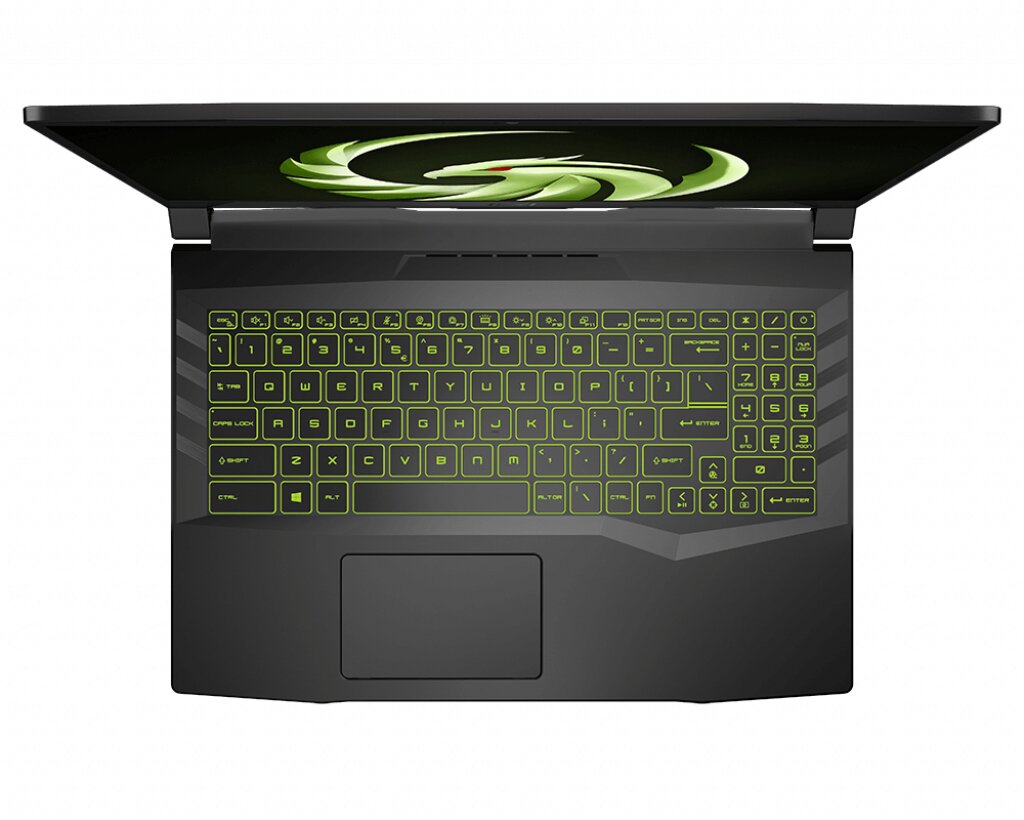
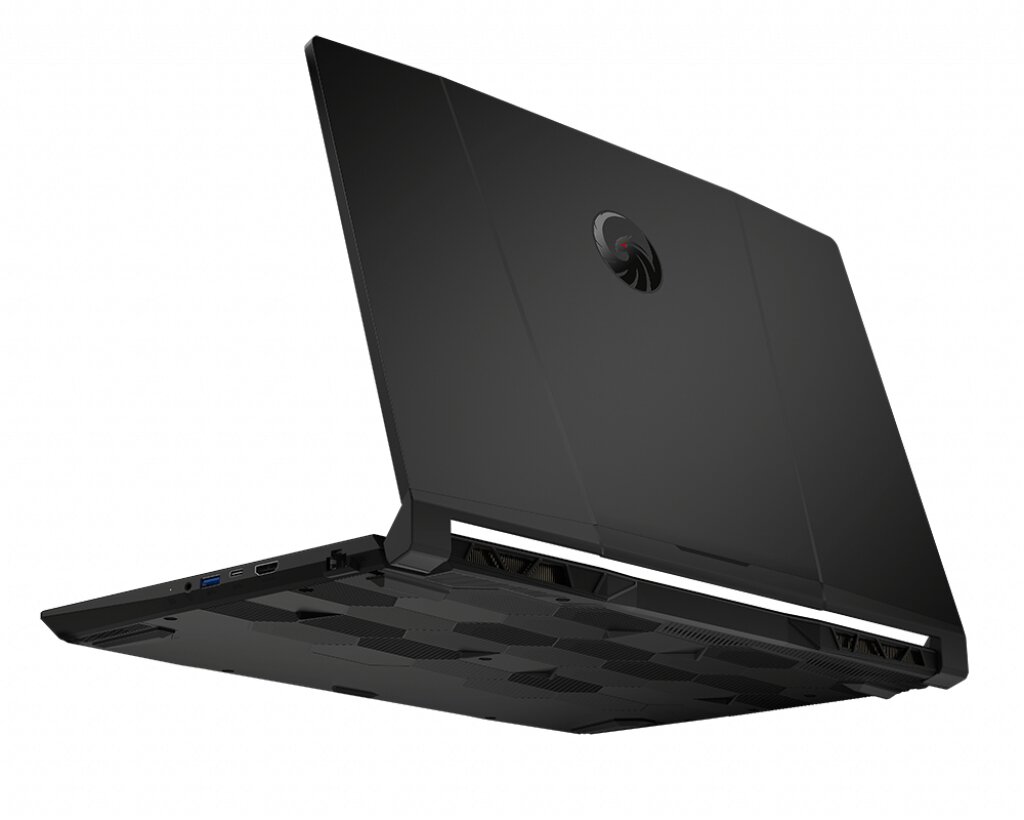
MSI Alpha 15 B5EEK-234AU laptop memory upgrade specifications include two SO-DIMM slots supporting DDR4-SDRAM modules. Maximum RAM capacity reaches 64 GB total, with compatible memory operating at 3200 MHz frequency. Upgrade configuration allows dual-channel memory installation through SO-DIMM form factor slots. DDR4-SDRAM specifications ensure compatibility with Alpha series 15 model architecture.
Memory Upgrade Specifications
| Specification | Value |
|---|---|
| Memory slots | 2x SO-DIMM |
| Form factor | SO-DIMM |
| Memory type | DDR4-SDRAM |
| Frequency | 3200 MHz |
| Maximum RAM | 64 GB |
| Voltage | 1.2V |
| Number of pins | 260-pin |
| Interface | PC4 |
| PC Speed Rating | PC4-3200 (PC4-25600) |
| Bandwidth | 25.6 GB/s |
| Laptop Release date | 17 March 2023 |
Additional Notes
- The MSI Alpha 15 B5EEK-234AU supports dual-channel memory architecture through its 2 SO-DIMM slots, enabling doubled memory bandwidth compared to single-channel configurations when matched modules are installed.
- DDR4-3200 represents the native JEDEC speed ceiling for this platform, meaning faster modules will downclock to 3200 MHz regardless of their rated specifications.
- The 64 GB capacity ceiling requires 32 GB modules in both slots, which limits future expandability once this threshold is reached.
- SO-DIMM form factor modules measure 67.6 mm in length compared to standard desktop DIMM modules at 133.35 mm, making desktop memory physically incompatible with this system.
- Installing mismatched module capacities will maintain dual-channel operation but restrict the interleaved mode to twice the smaller module's capacity, reverting remaining memory to single-channel mode.
- Memory voltage specification for DDR4-3200 SO-DIMM modules is standardized at 1.2V, while non-standard higher voltage modules may cause POST failures or system instability.
- The platform lacks support for DDR5 memory technology, preventing future migration to the newer standard without motherboard replacement.
- CAS latency timings affect effective memory performance independently of frequency, with CL22 modules providing lower latency than CL26 at identical 3200 MHz speeds.
- Memory upgrades through accessible bottom panel slots typically preserve manufacturer warranty coverage, unlike soldered memory configurations that prohibit user-serviceable modifications.
- ECC memory modules are incompatible with this consumer-grade platform despite sharing the SO-DIMM physical interface and DDR4 specification.