MSI Alpha 15 B5EEK-209IT RAM upgrade specifications

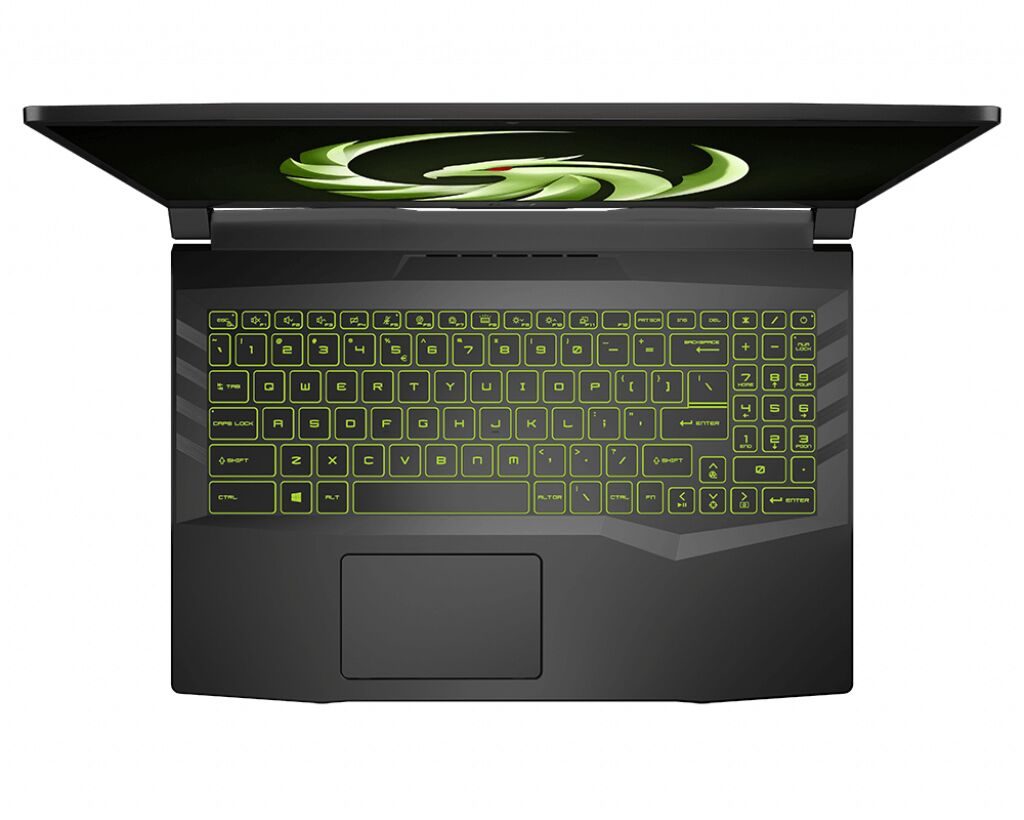
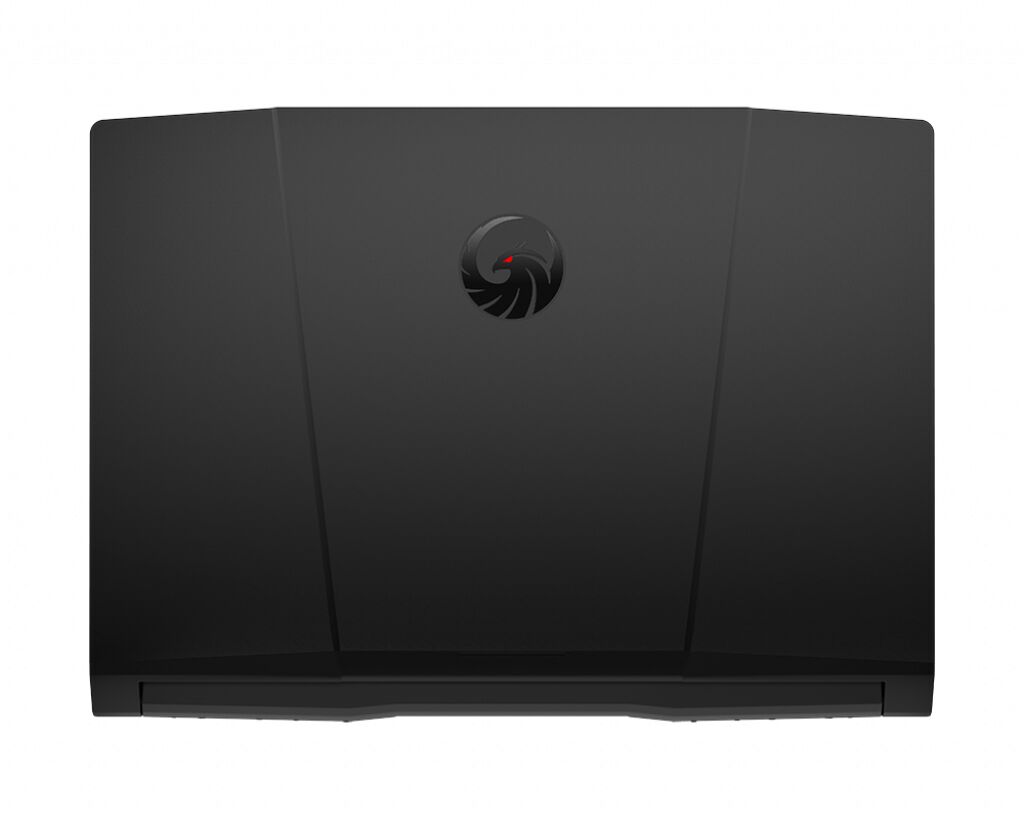
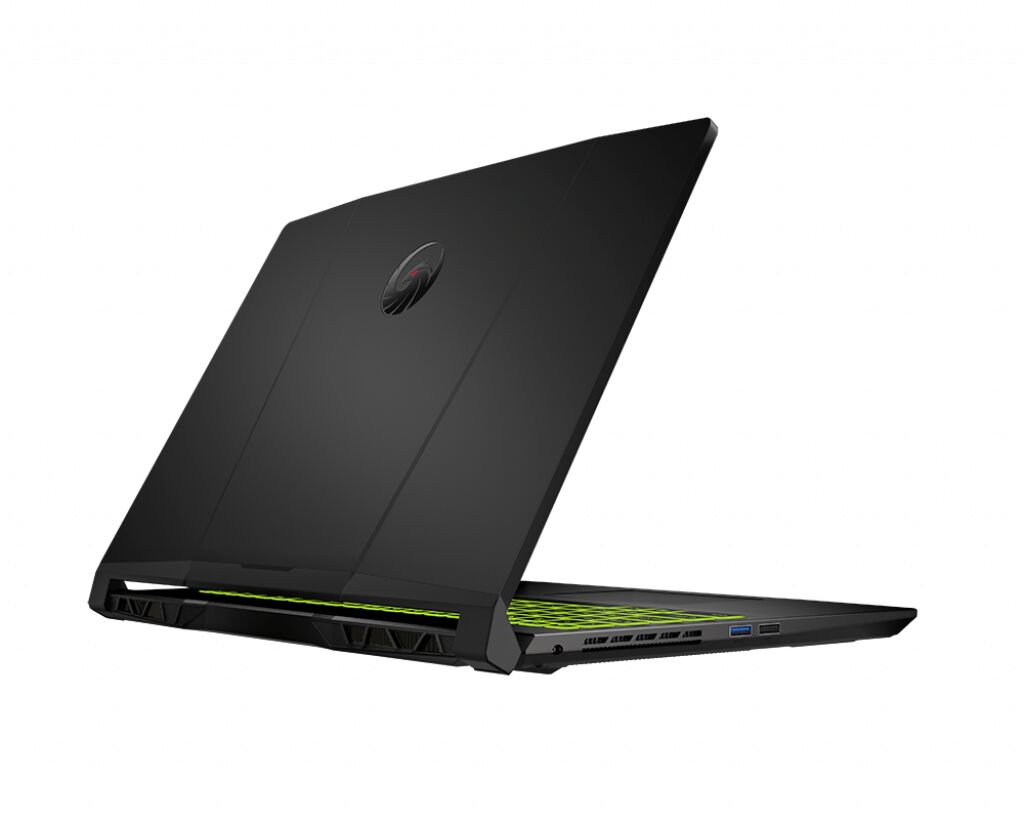
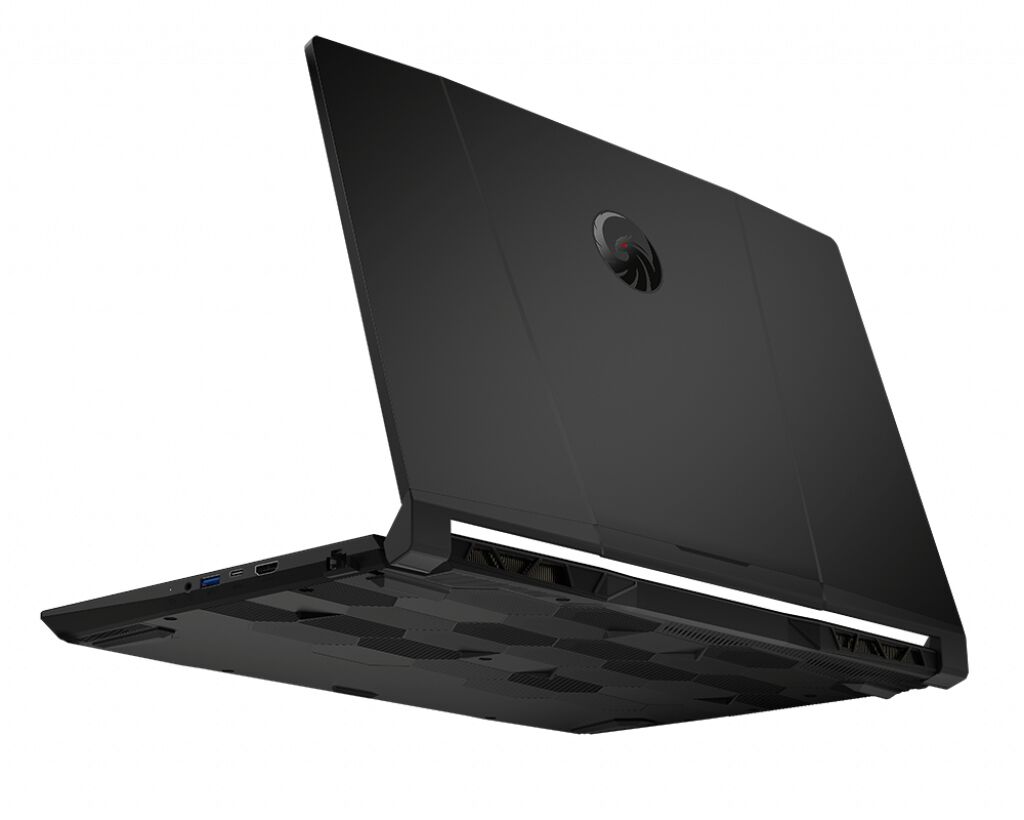
The MSI Alpha 15 B5EEK-209IT laptop supports DDR4-SDRAM memory upgrades through two SO-DIMM slots. Maximum RAM capacity reaches 64 GB total, with compatible modules operating at 3200 MHz frequency. Upgrade specifications indicate SO-DIMM form factor memory modules are required for this MSI 15 series model. The laptop accommodates standard DDR4 memory configurations for enhanced multitasking performance.
Memory Upgrade Specifications
| Specification | Value |
|---|---|
| Memory slots | 2x SO-DIMM |
| Form factor | SO-DIMM |
| Memory type | DDR4-SDRAM |
| Frequency | 3200 MHz |
| Maximum RAM | 64 GB |
| Voltage | 1.2V |
| Number of pins | 260-pin |
| Interface | PC4 |
| PC Speed Rating | PC4-3200 (PC4-25600) |
| Bandwidth | 25.6 GB/s |
| Laptop Release date | 01 June 2022 |
Additional Notes
- The MSI Alpha 15 B5EEK-209IT accommodates only SO-DIMM modules, which restricts upgrade options to laptop-specific memory variants rather than standard desktop DDR4 sticks, narrowing compatible product availability.
- With 2 slots and a 64 GB ceiling, maximum theoretical capacity is 32 GB per module; retailers stocking 16 GB SO-DIMM units will require matched pairs to reach the upper limit, adding cost and reducing single-module upgrade flexibility.
- The 3200 MHz specification represents the tested maximum stable frequency; memory modules rated above this speed will operate at 3200 MHz or lower depending on BIOS settings, eliminating performance gains from higher-frequency purchases.
- Upgrading from factory-installed capacity will require removing existing modules first due to the 2-slot architecture; this process necessitates temporary data backup and creates brief system downtime, distinguishing it from add-only upgrade scenarios.
- DDR4-SDRAM compatibility is hardware-locked; DDR5 modules cannot be mechanically or electrically installed regardless of future software updates, making this purchase decision permanent for the device's lifespan.
- Warranty coverage typically remains valid for memory upgrades when performed by end users in most markets, provided OEM-approved modules meeting DDR4 3200 MHz specifications are installed according to manufacturer guidelines.