MSI Bravo 15 A4DDR-016 RAM upgrade specifications


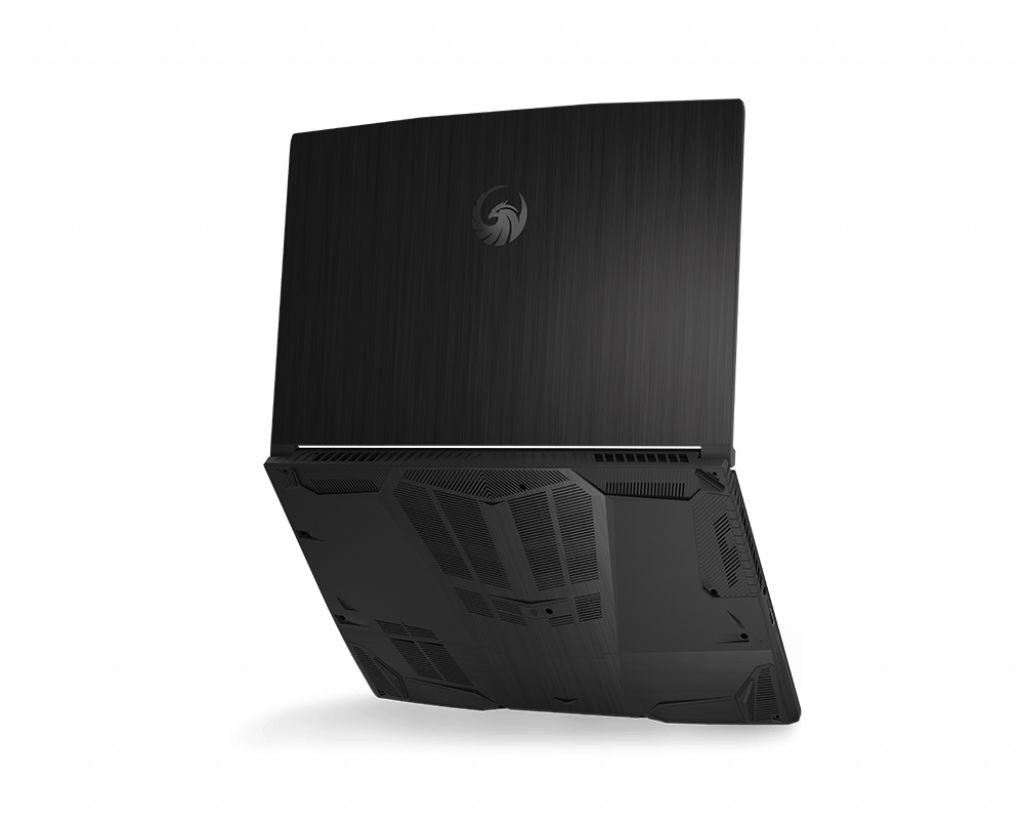
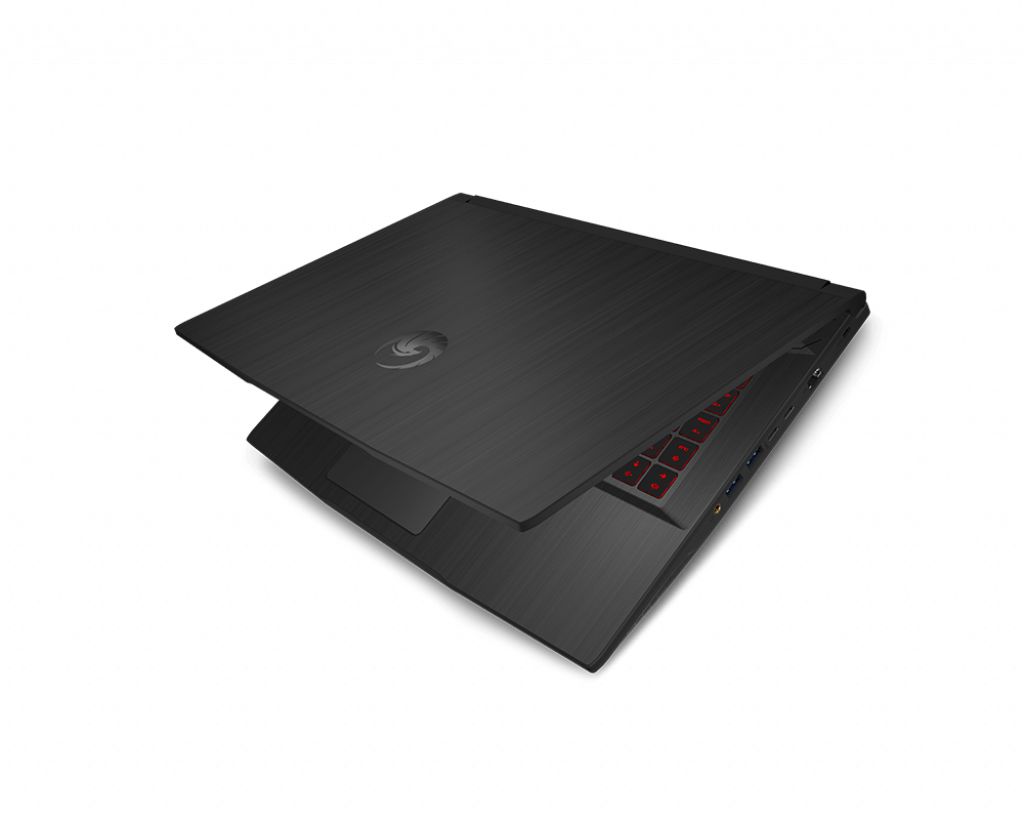
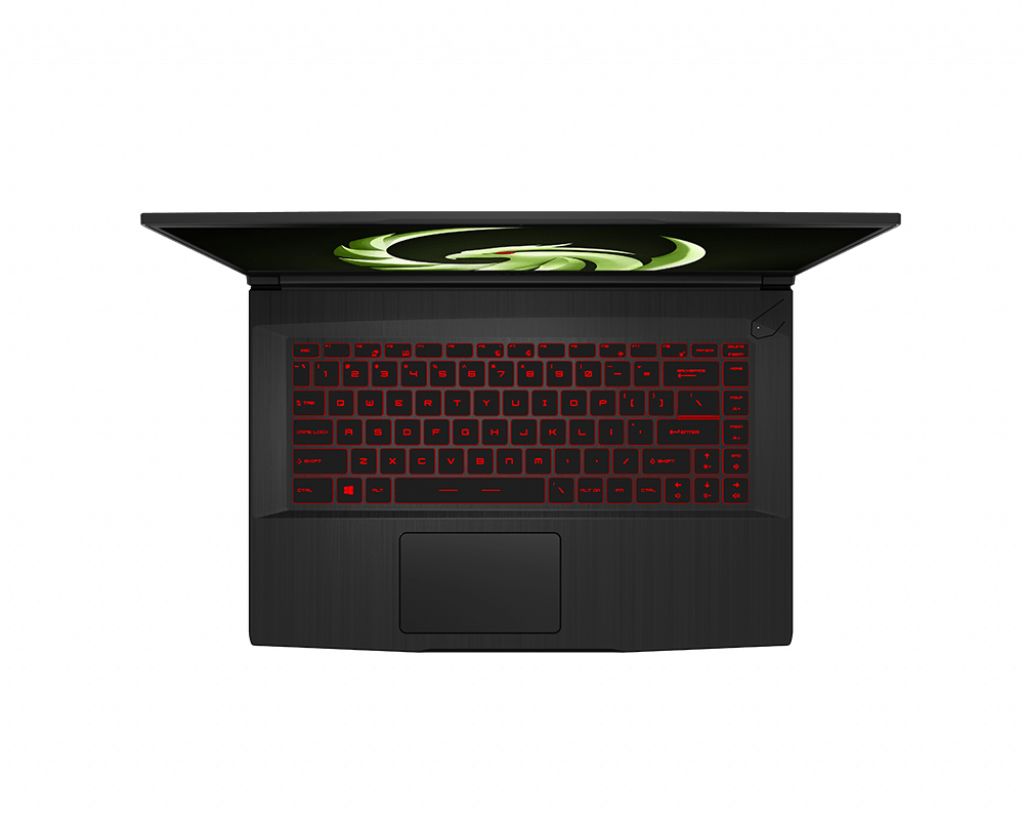
MSI Bravo 15 A4DDR-016 laptop RAM upgrade specifications include two SO-DIMM memory slots supporting DDR4-SDRAM at 3200 MHz frequency. Maximum memory capacity reaches 64 GB total. Compatible memory upgrades utilize SO-DIMM form factor modules. Specifications enable RAM expansion from factory configuration to maximum supported capacity through available upgrade slots.
Memory Upgrade Specifications
| Specification | Value |
|---|---|
| Memory slots | 2x SO-DIMM |
| Form factor | SO-DIMM |
| Memory type | DDR4-SDRAM |
| Frequency | 3200 MHz |
| Maximum RAM | 64 GB |
| Voltage | 1.2V |
| Number of pins | 260-pin |
| Interface | PC4 |
| PC Speed Rating | PC4-3200 (PC4-25600) |
| Bandwidth | 25.6 GB/s |
| Laptop Release date | 22 May 2020 |
Additional Notes
- The MSI Bravo 15 A4DDR-016 accepts only DDR4 modules, preventing installation of DDR3 or DDR5 memory despite physical slot similarity.
- Both memory slots require simultaneous population to enable dual-channel operation, which doubles effective bandwidth compared to single-module configurations.
- The 3200 MHz specification indicates maximum supported speed; faster modules will downclock automatically to this frequency when installed.
- Mixing modules with different speeds forces all installed memory to operate at the slowest module's frequency.
- The SO-DIMM form factor measures approximately 67.6 mm in length, making standard desktop DIMM modules physically incompatible despite identical DDR4 technology.
- Reaching the 64 GB ceiling requires 2 modules of 32 GB capacity each, as no higher-density SO-DIMM modules exist for consumer systems.
- Installing non-matching capacity modules in each slot maintains dual-channel mode but only up to twice the smaller module's capacity, with remaining memory reverting to slower single-channel operation.
- Memory voltage must match the DDR4 standard specification of 1.2V, as higher-voltage modules designed for overclocking may cause instability or boot failure.
- The SO-DIMM slot mechanism typically requires a 30-degree insertion angle before pressing flat, with improper technique risking connector damage or incomplete contact.
- Memory timing specifications beyond frequency (CAS latency, tRCD, tRP) affect performance but remain secondary to capacity and channel configuration for most workloads.
- Manufacturer warranty policies often permit memory upgrades without voiding coverage, though damage caused during installation typically falls outside warranty protection.
- The bottom panel removal process exposes both slots simultaneously, eliminating the need for motherboard removal during upgrades.