MSI Bravo 15 A4DDR-022 RAM upgrade specifications

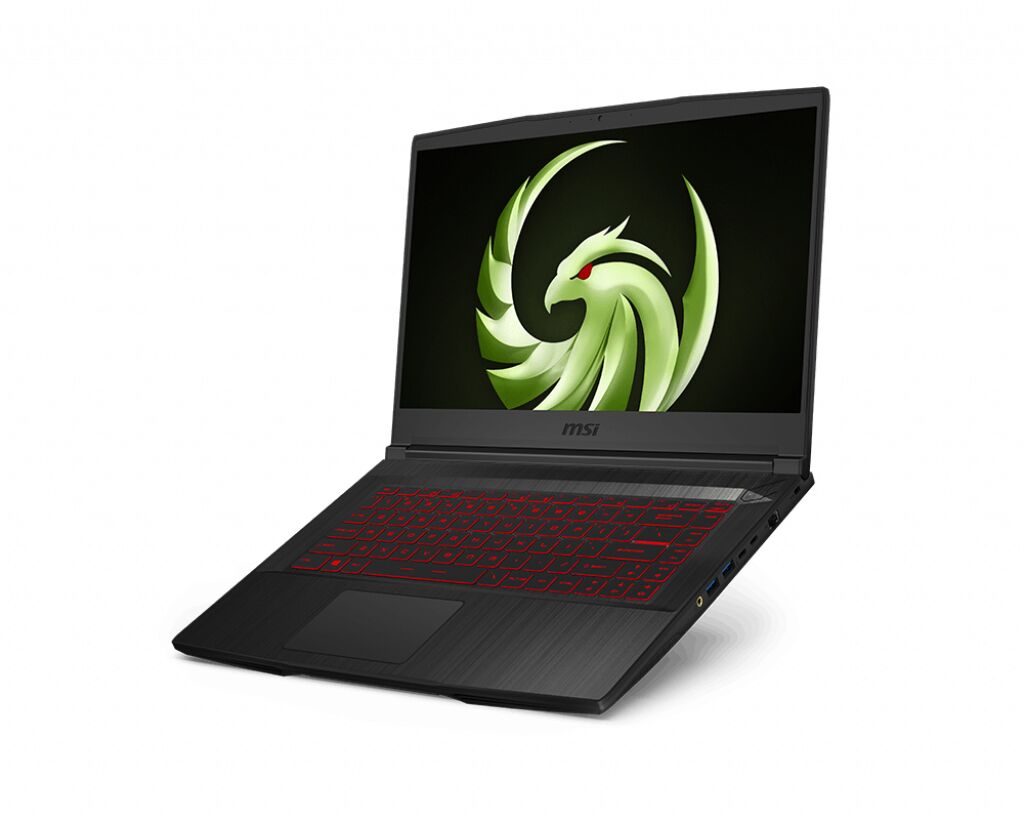
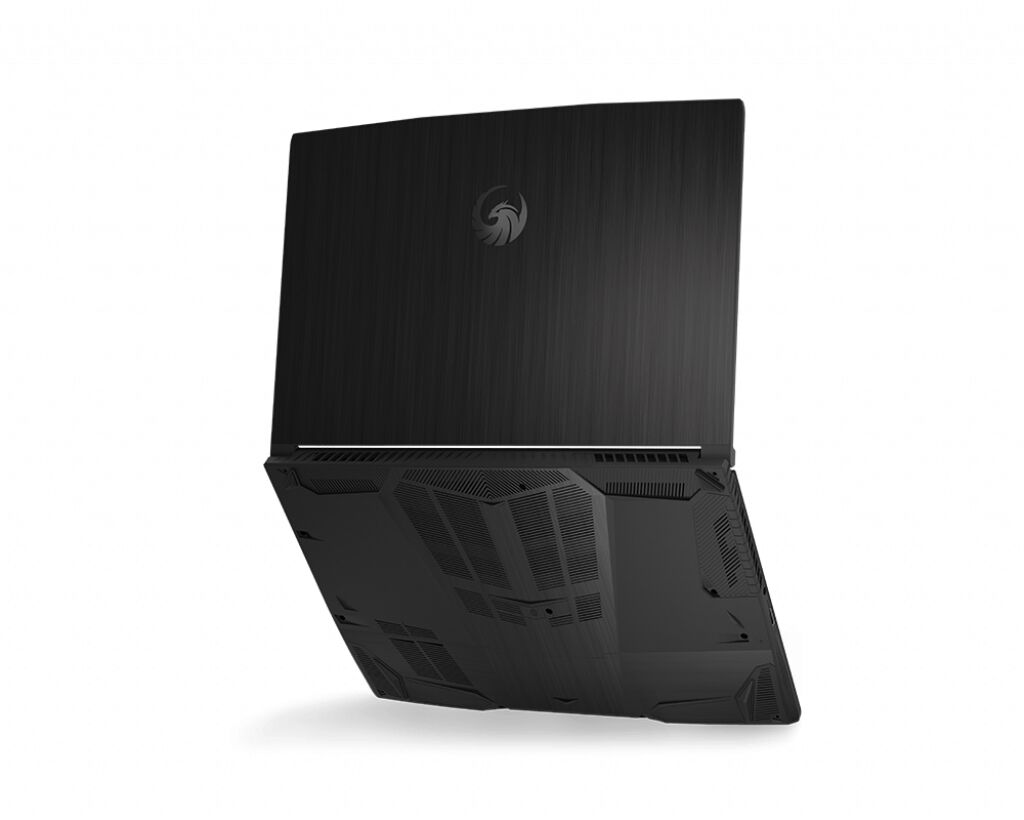
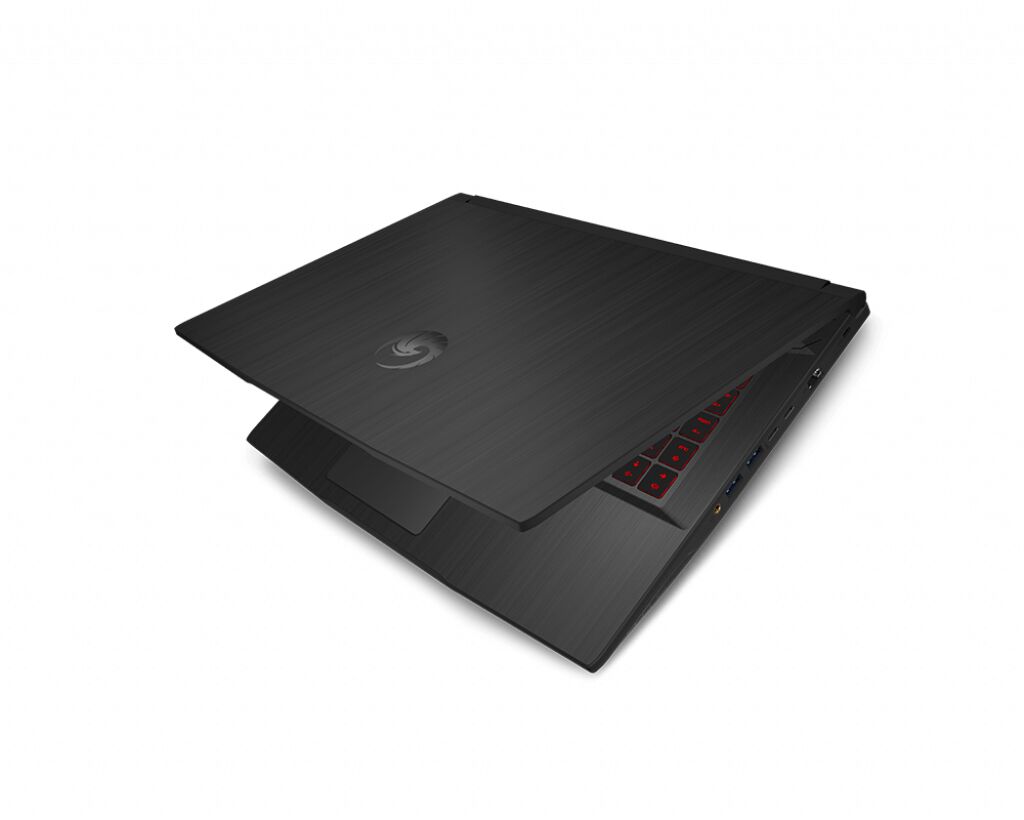
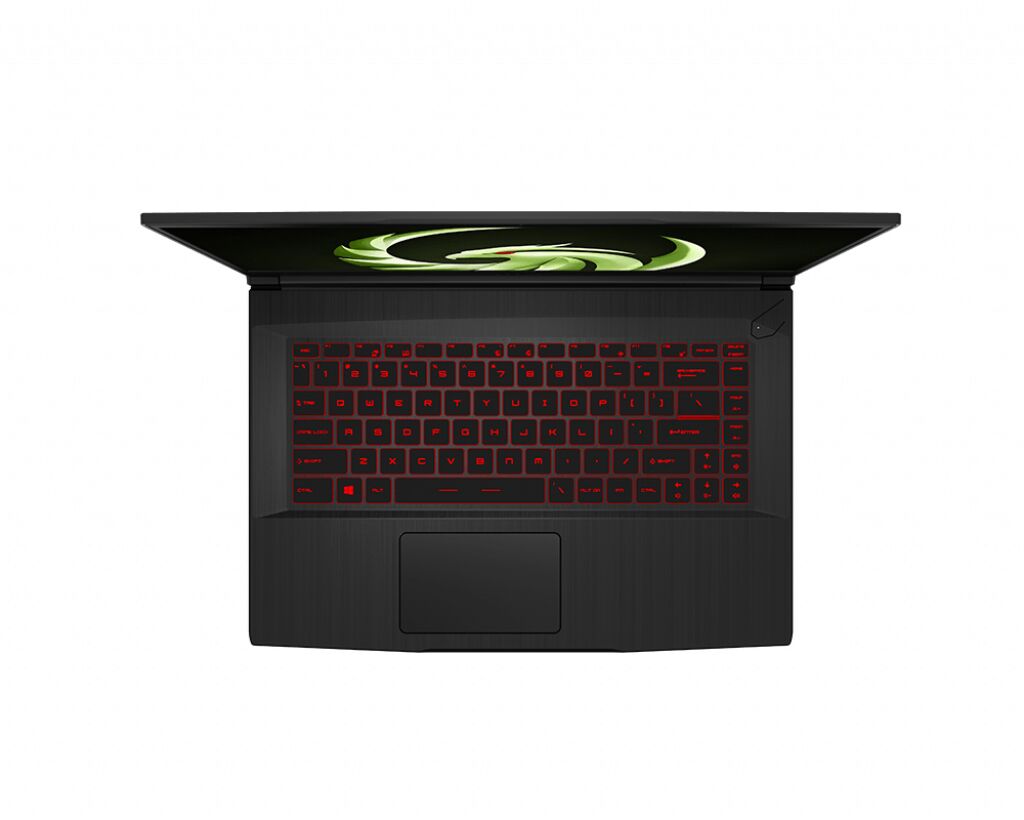
MSI Bravo 15 A4DDR-022 laptop features two SO-DIMM memory slots supporting DDR4-SDRAM upgrade capacity. Maximum RAM specifications reach 64 GB total memory configuration. Compatible memory modules operate at 3200 MHz frequency. SO-DIMM form factor specifications define the physical dimensions for RAM upgrade compatibility. DDR4-SDRAM memory type maintains industry-standard compatibility across the dual memory slots. Current upgrade specifications enable users to expand memory capacity within the defined maximum limitations.
Memory Upgrade Specifications
| Specification | Value |
|---|---|
| Memory slots | 2x SO-DIMM |
| Form factor | SO-DIMM |
| Memory type | DDR4-SDRAM |
| Frequency | 3200 MHz |
| Maximum RAM | 64 GB |
| Voltage | 1.2V |
| Number of pins | 260-pin |
| Interface | PC4 |
| PC Speed Rating | PC4-3200 (PC4-25600) |
| Bandwidth | 25.6 GB/s |
| Laptop Release date | 19 May 2020 |
Additional Notes
- The MSI Bravo 15 A4DDR-022 accepts only non-ECC unbuffered SO-DIMM modules, as registered or ECC variants are incompatible with consumer laptop architectures.
- DDR4-3200 represents the native JEDEC speed supported without overclocking profiles, ensuring stability under sustained workloads.
- Dual-channel configuration requires matched module capacities in both slots to achieve full memory bandwidth, as mismatched sizes force single-channel operation on the smaller capacity.
- The 64 GB maximum capacity necessitates 2x32 GB modules, which may command premium pricing compared to more common 2x16 GB configurations.
- SO-DIMM installation requires bottom panel removal, potentially voiding seals that manufacturers use to track unauthorized maintenance access.
- DDR4-3200 modules rated at higher speeds will downclock automatically to 3200 MHz, offering no performance advantage over native-speed modules.
- Voltage specifications must remain at standard 1.2V, as low-voltage or performance variants may cause POST failures or thermal issues in confined laptop chassis.
- Memory latency ratings (CL timings) become secondary to frequency matching, as the system enforces JEDEC-standard timings regardless of module XMP profiles.
- Single-rank versus dual-rank module architecture affects interleaving efficiency, with dual-rank configurations potentially offering marginal performance gains in memory-intensive applications.
- Thermal considerations limit sustained memory bandwidth under heavy loads, as SO-DIMM modules lack dedicated cooling found in desktop implementations.