MSI Bravo A4DDR-226FR RAM upgrade specifications


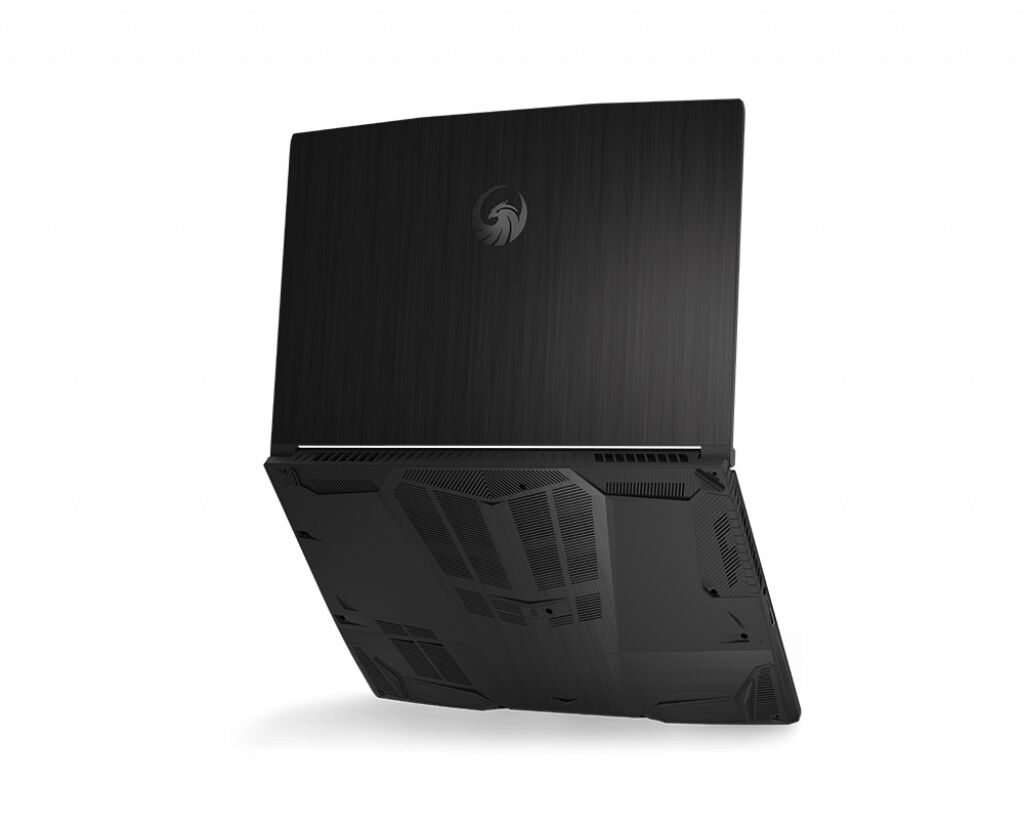
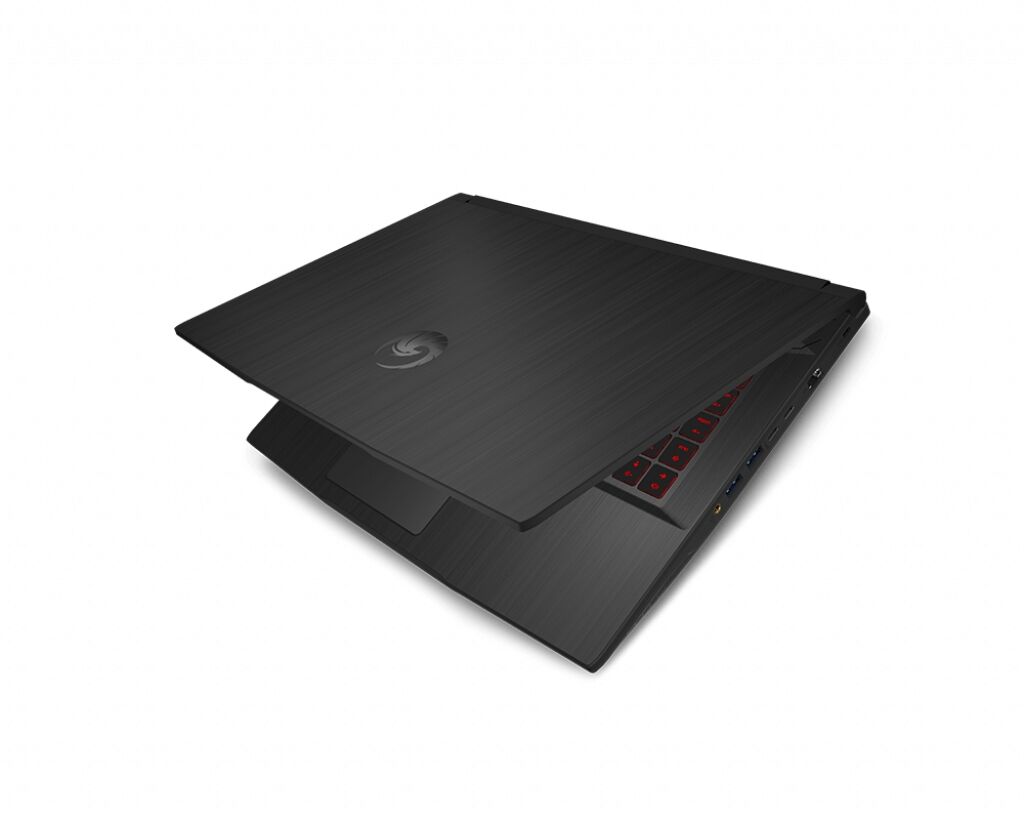
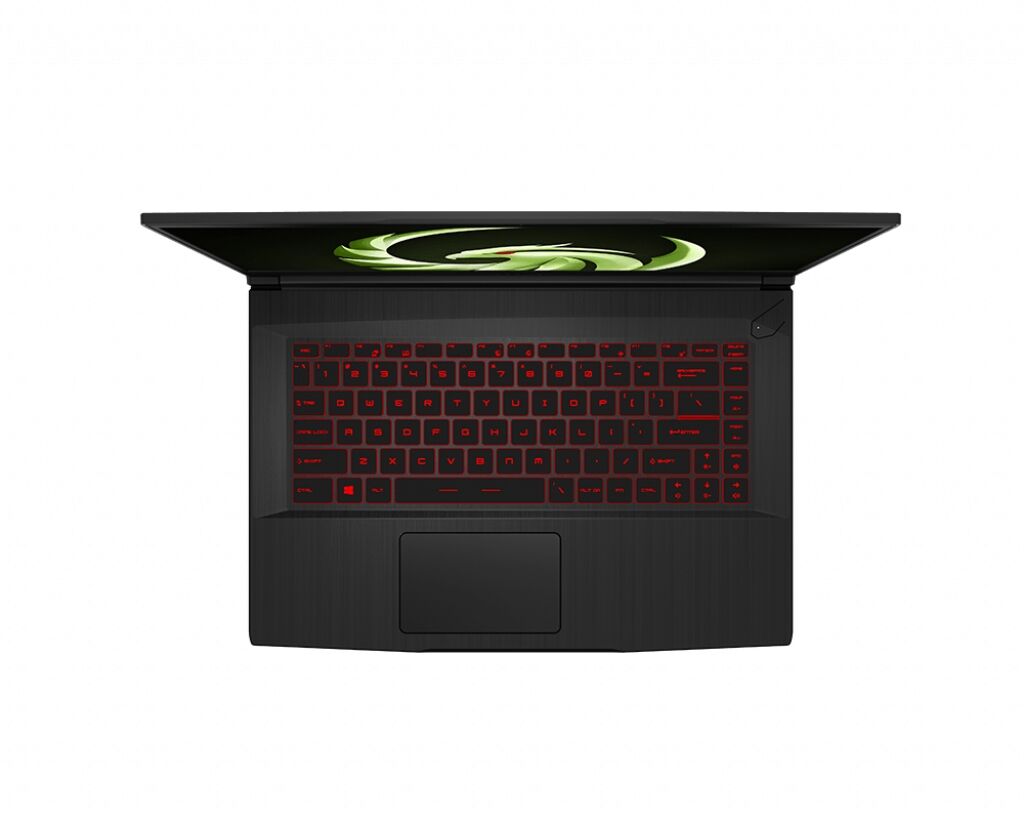
MSI Bravo 15 Series A4DDR-226FR laptop contains two SO-DIMM memory slots supporting DDR4-SDRAM modules. The upgrade specifications indicate maximum RAM capacity of 64 GB, compatible with 3200 MHz frequency modules. Existing memory can be upgraded by replacing or supplementing installed SO-DIMM components. SO-DIMM form factor specifications define compatible memory upgrade options for this particular model.
Memory Upgrade Specifications
| Specification | Value |
|---|---|
| Memory slots | 2x SO-DIMM |
| Form factor | SO-DIMM |
| Memory type | DDR4-SDRAM |
| Frequency | 3200 MHz |
| Maximum RAM | 64 GB |
| Voltage | 1.2V |
| Number of pins | 260-pin |
| Interface | PC4 |
| PC Speed Rating | PC4-3200 (PC4-25600) |
| Bandwidth | 25.6 GB/s |
| Laptop Release date | 22 November 2020 |
Additional Notes
- The SO-DIMM form factor limits compatibility to modules specifically designed for mobile platforms, excluding standard DIMM modules used in desktop systems.
- DDR4-SDRAM technology restricts upgrades to DDR4 generation modules, with no forward compatibility to DDR5 or backward compatibility to DDR3 variants.
- The dual-slot configuration enables symmetric channel population for maximum bandwidth efficiency when identical modules occupy both sockets.
- Populating only 1 slot forfeits dual-channel memory architecture, reducing theoretical bandwidth by approximately 50 percent compared to matched-pair configurations.
- The 64 GB ceiling requires 32 GB modules in both slots, limiting users seeking future expansion beyond this threshold without complete module replacement.
- Operation at 3200 MHz depends on CPU memory controller support, as processors with lower-rated controllers may force modules to run at reduced speeds.
- Mixed-capacity configurations distribute memory asymmetrically across channels, potentially degrading bandwidth performance compared to matched-pair installations.
- Non-ECC module architecture provides no error correction capabilities, making the MSI Bravo A4DDR-226FR unsuitable for workloads requiring data integrity verification.
- Modules rated below 3200 MHz function correctly but operate at their rated speed rather than the platform maximum, leaving performance headroom unused.
- Installation requires chassis disassembly with potential warranty implications if manufacturer seals or access panels are disturbed during the upgrade process.
- JEDEC-standard modules ensure plug-and-play compatibility, while XMP-profiled modules may require BIOS configuration to achieve advertised speeds beyond base specifications.
- The SO-DIMM 260-pin connector standard prevents insertion of incompatible 204-pin DDR3 SO-DIMM modules through physical keying differences.