MSI Bravo A4DDR-228FR RAM upgrade specifications


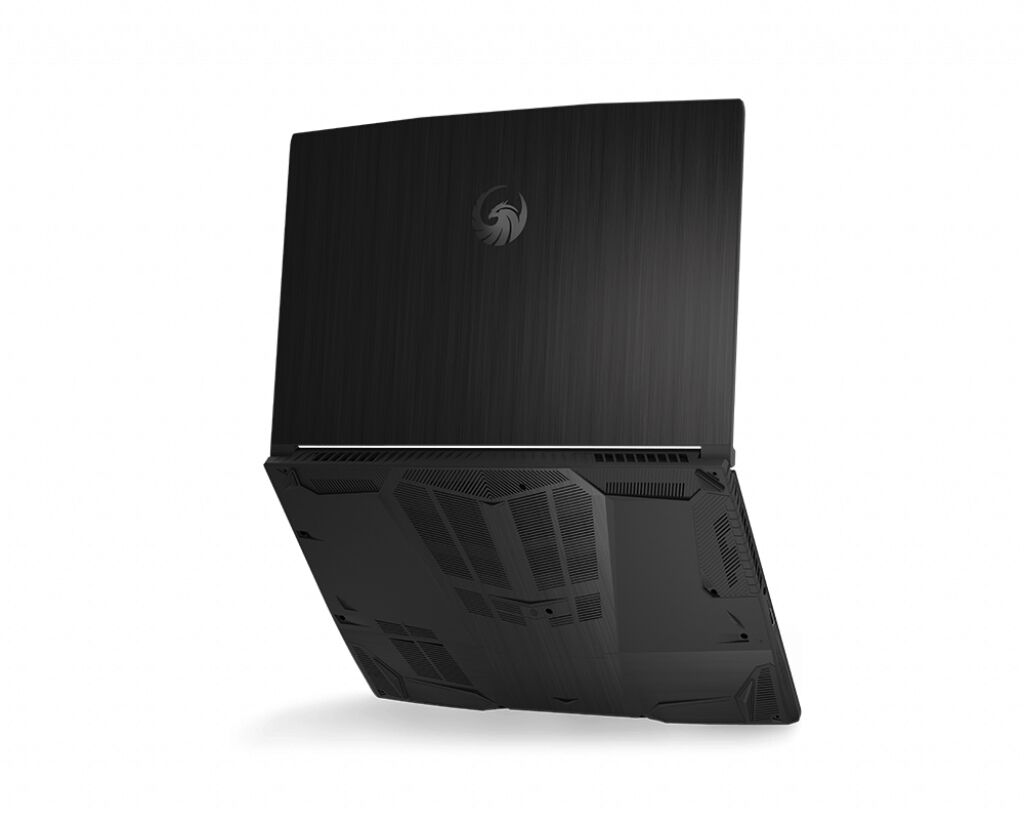
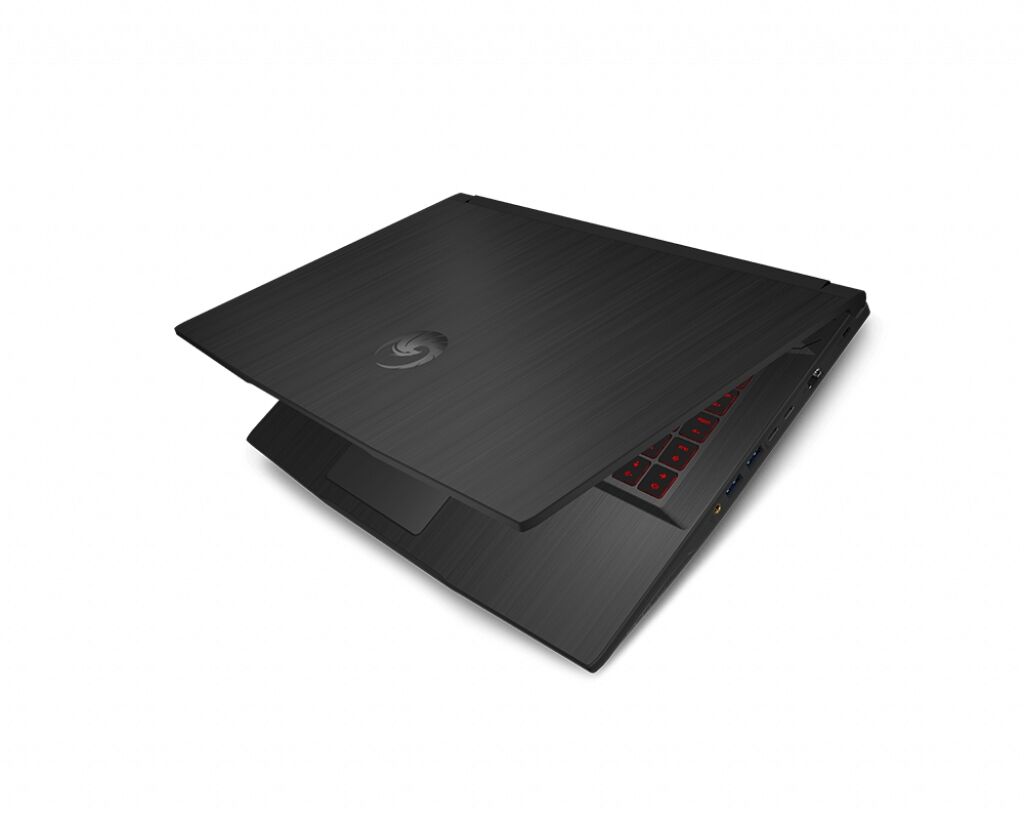
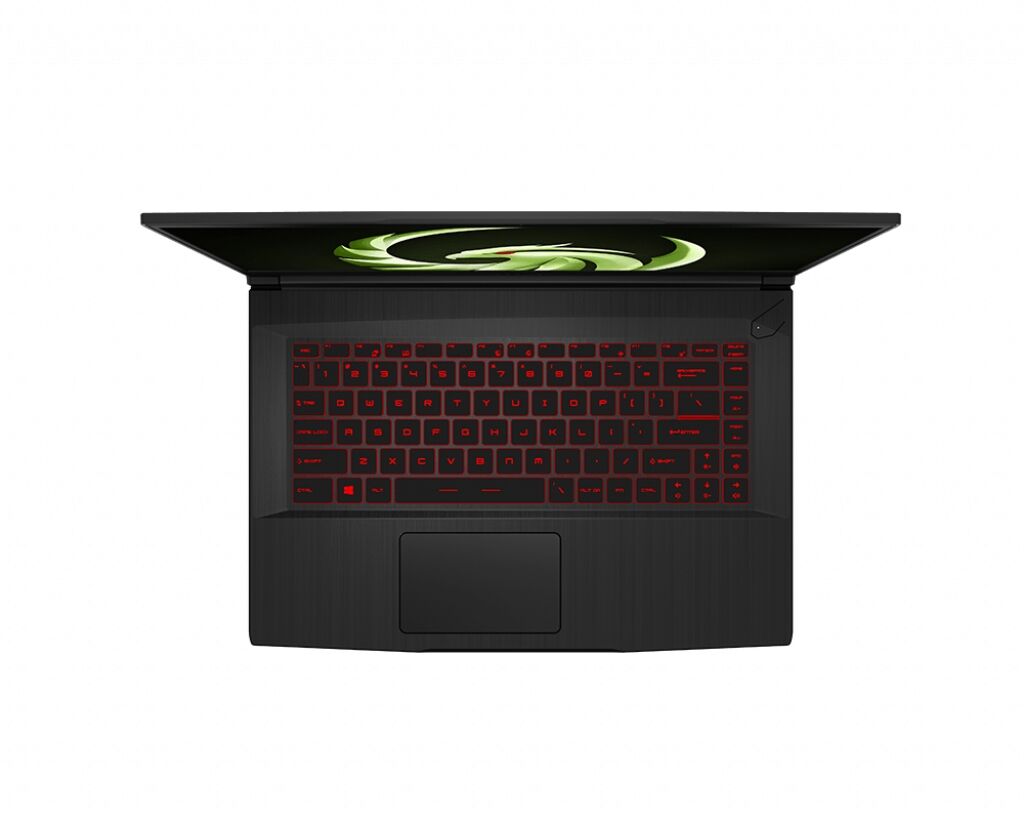
MSI Bravo 15 Series A4DDR-228FR laptop memory upgrade specifications detail DDR4-SDRAM compatibility with 2x SO-DIMM slots supporting maximum RAM capacity of 64 GB. Compatible memory modules operate at 3200 MHz frequency. Upgrade specifications indicate SO-DIMM form factor compatibility for this model. Maximum memory configuration of 64 GB represents the upper capacity limit for RAM expansion on the A4DDR-228FR system.
Memory Upgrade Specifications
| Specification | Value |
|---|---|
| Memory slots | 2x SO-DIMM |
| Form factor | SO-DIMM |
| Memory type | DDR4-SDRAM |
| Frequency | 3200 MHz |
| Maximum RAM | 64 GB |
| Voltage | 1.2V |
| Number of pins | 260-pin |
| Interface | PC4 |
| PC Speed Rating | PC4-3200 (PC4-25600) |
| Bandwidth | 25.6 GB/s |
| Laptop Release date | 13 October 2020 |
Additional Notes
- The MSI Bravo A4DDR-228FR contains 2 SO-DIMM slots that cannot be expanded beyond this count, establishing a hard ceiling on memory capacity regardless of module density increases in future generations.
- DDR4-3200 MHz operation represents the performance baseline for this system; modules rated above 3200 MHz will downclock to this specification due to hardware constraints, eliminating the functional benefit of premium-tier memory products.
- SO-DIMM form factor confinement restricts upgrade paths to laptop-grade memory modules only; desktop DDR4 DIMM modules are physically incompatible and cannot be installed as a workaround.
- Reaching the 64 GB maximum requires installing 2x32 GB SO-DIMM modules; availability of 32 GB laptop memory modules remains limited in secondary markets compared to 16 GB variants, potentially affecting cost and procurement timelines.
- Memory upgrades conducted by end users on this platform typically remain within manufacturer warranty parameters when using certified components; however, thermal management around SO-DIMM slots should be verified post-installation to prevent throttling in sustained workloads.
- Dual-channel architecture on 2 slots achieves symmetrical bandwidth utilization only when memory capacity matches between slots; mixed-capacity configurations (8 GB + 16 GB) will operate in single-channel mode on the smaller module, reducing effective bandwidth by approximately 50 percent for that capacity tier.