MSI Bravo A4DDR-230XFR RAM upgrade specifications


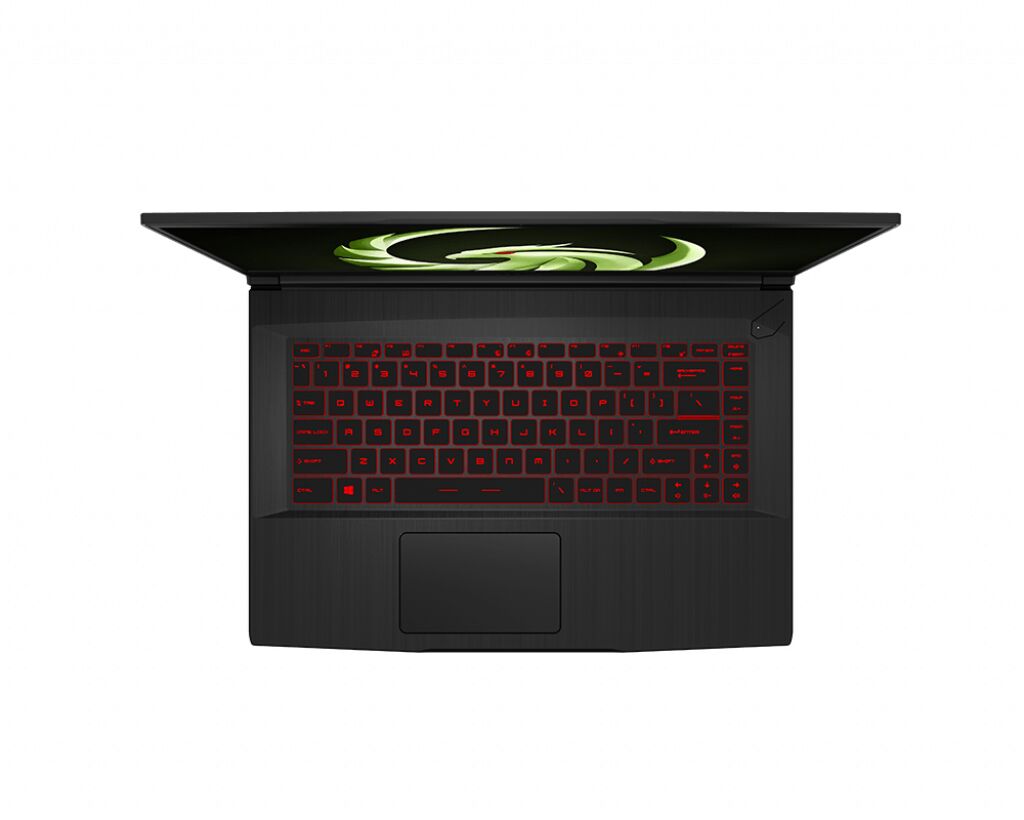
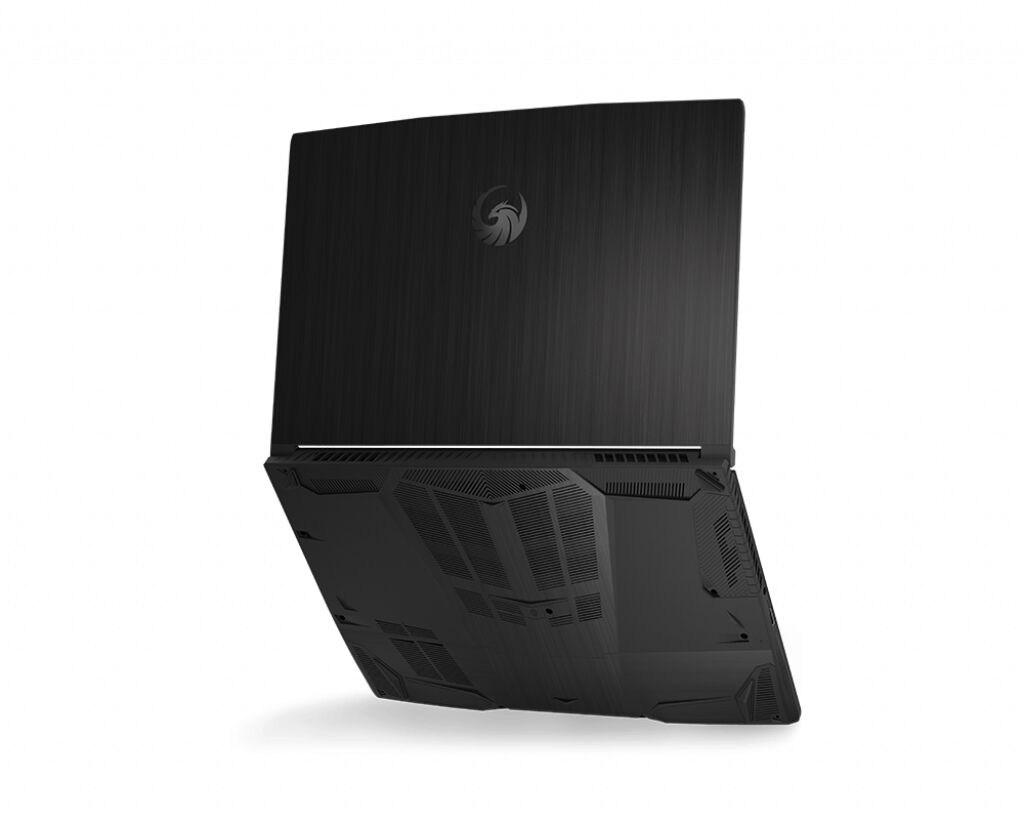
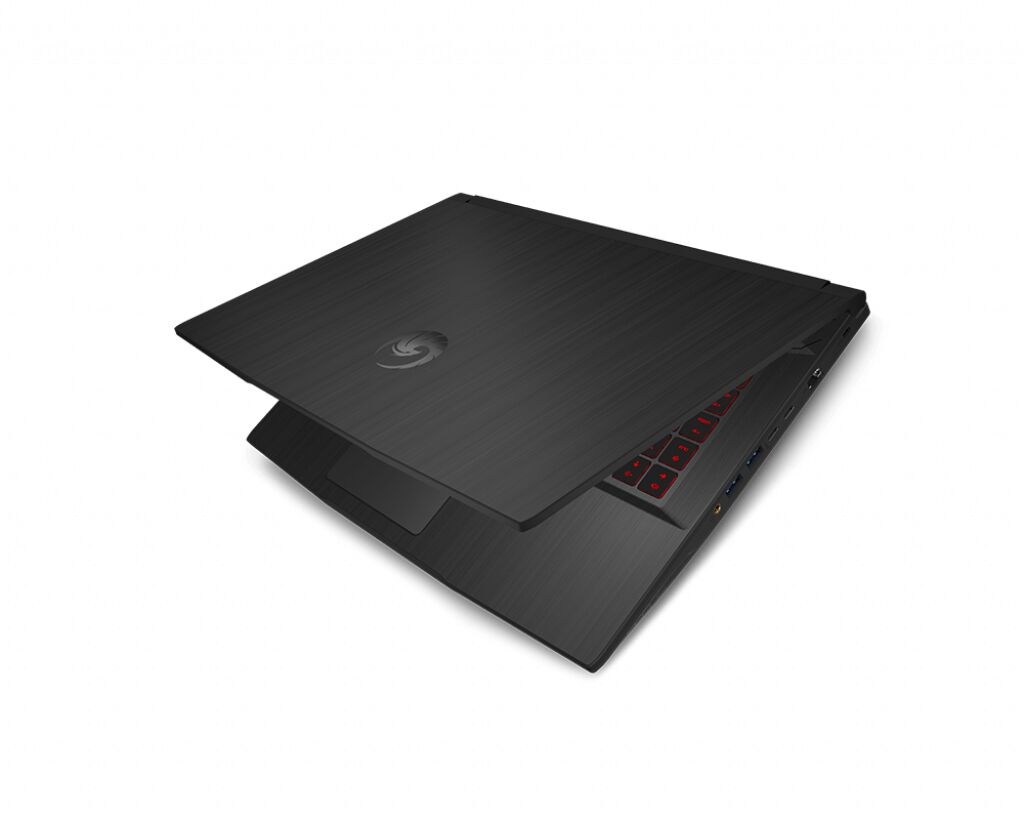
MSI Bravo 15 series A4DDR-230XFR laptop supports DDR4-SDRAM memory upgrades through two SO-DIMM slots. The maximum RAM capacity reaches 64 GB total, with compatible memory operating at 3200 MHz frequency. Upgrade specifications indicate support for SO-DIMM form factor modules. The A4DDR-230XFR accepts DDR4 memory upgrades to expand system memory beyond factory configuration.
Memory Upgrade Specifications
| Specification | Value |
|---|---|
| Memory slots | 2x SO-DIMM |
| Form factor | SO-DIMM |
| Memory type | DDR4-SDRAM |
| Frequency | 3200 MHz |
| Maximum RAM | 64 GB |
| Voltage | 1.2V |
| Number of pins | 260-pin |
| Interface | PC4 |
| PC Speed Rating | PC4-3200 (PC4-25600) |
| Bandwidth | 25.6 GB/s |
| Laptop Release date | 25 July 2020 |
Additional Notes
- The MSI Bravo A4DDR-230XFR supports dual-channel memory architecture, which requires matching module capacities in both slots to achieve peak bandwidth of 51.2 GB/s.
- Installing modules with mismatched frequencies will force all memory to operate at the speed of the slowest module, negating any performance benefit from higher-rated components.
- Single-rank versus dual-rank module topology affects memory interleaving efficiency, with dual-rank configurations typically offering 5-10% better performance in bandwidth-sensitive workloads.
- The 64 GB maximum capacity constraint limits configurations to either 2x32 GB modules, as 48 GB or 96 GB combinations exceed chipset addressing capabilities.
- Modules exceeding JEDEC standard voltage specifications (1.2V nominal for DDR4-3200) may trigger thermal throttling during sustained memory-intensive operations.
- Non-ECC unbuffered memory is required, as server-grade registered or ECC modules are incompatible with consumer mobile chipsets.
- CAS latency timings below CL22 at 3200 MHz become increasingly difficult to maintain with 32 GB density modules due to electrical loading characteristics.
- Accessing installed memory requires complete bottom panel removal, as modules are not accessible through dedicated maintenance hatches.
- XMP/DOCP profiles may not engage automatically on mobile platforms, necessitating manual BIOS configuration to achieve advertised speeds above JEDEC standards.
- Mixing modules from different manufacturers introduces potential instability from variance in integrated circuit dies and PCB trace layouts, even when specifications appear identical.
- The SO-DIMM 260-pin physical standard prevents installation of desktop DIMM modules, which use incompatible 288-pin connectors.
- Warranty coverage typically remains intact for user-performed memory upgrades, though verification with regional service policies is advisable before modification.