MSI Bravo 17 A4DDR-083 RAM upgrade specifications
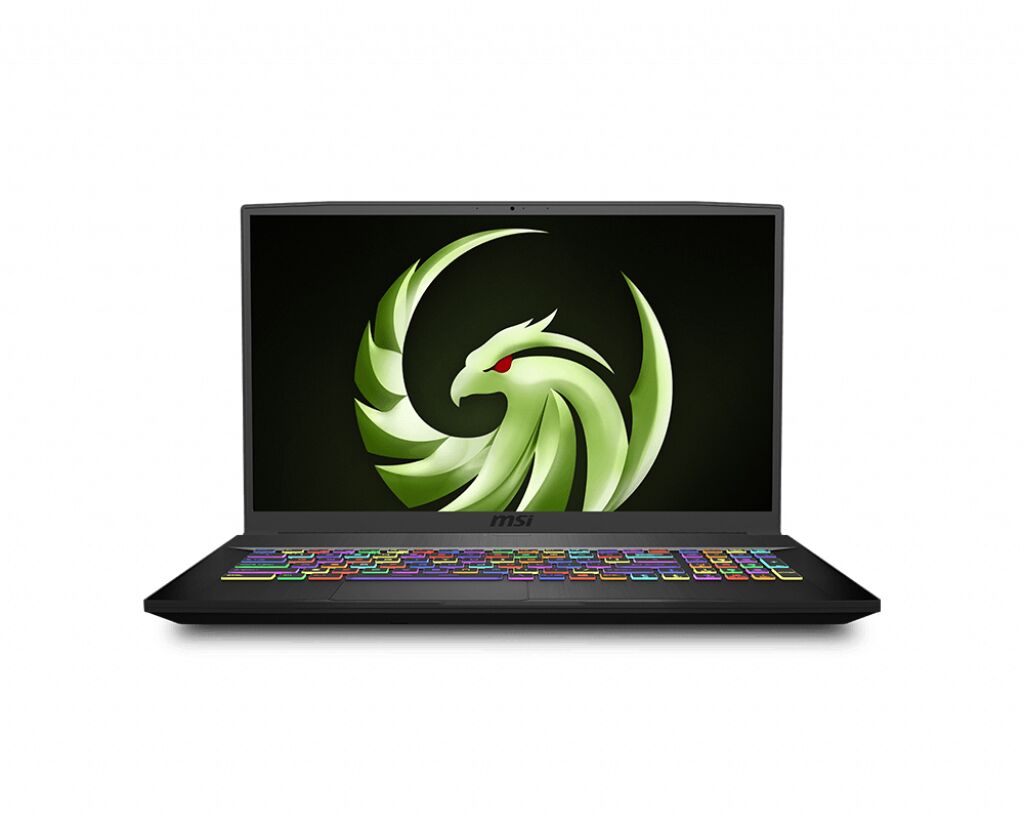
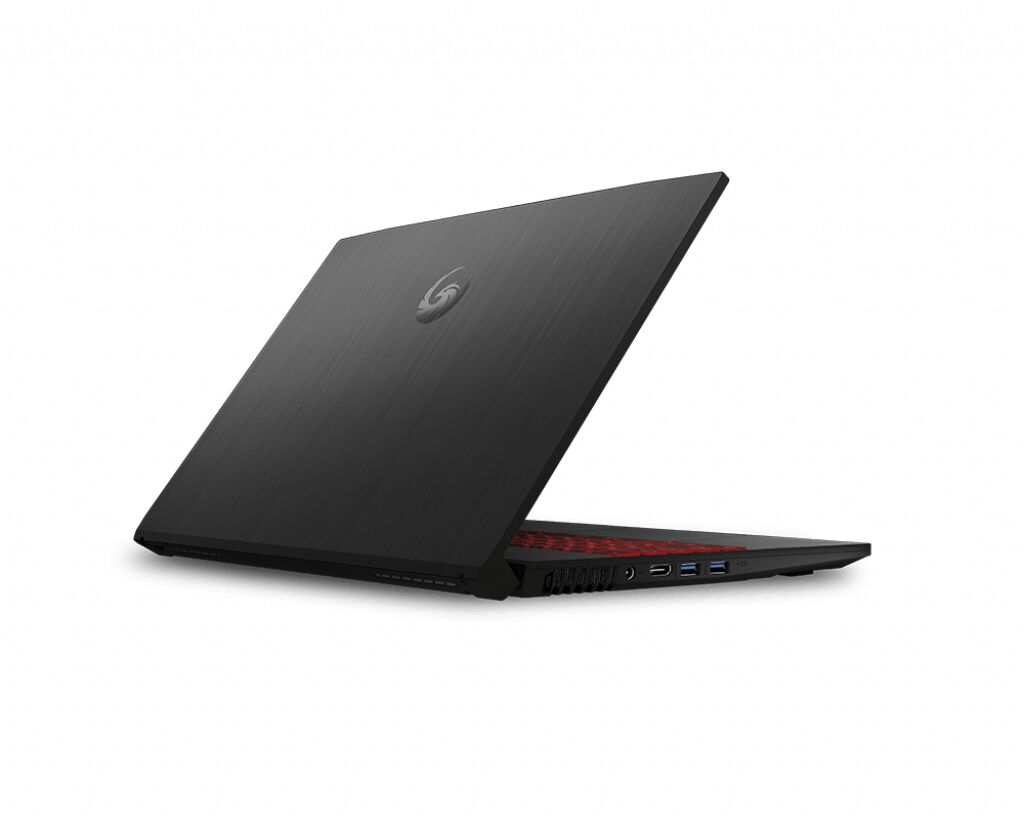
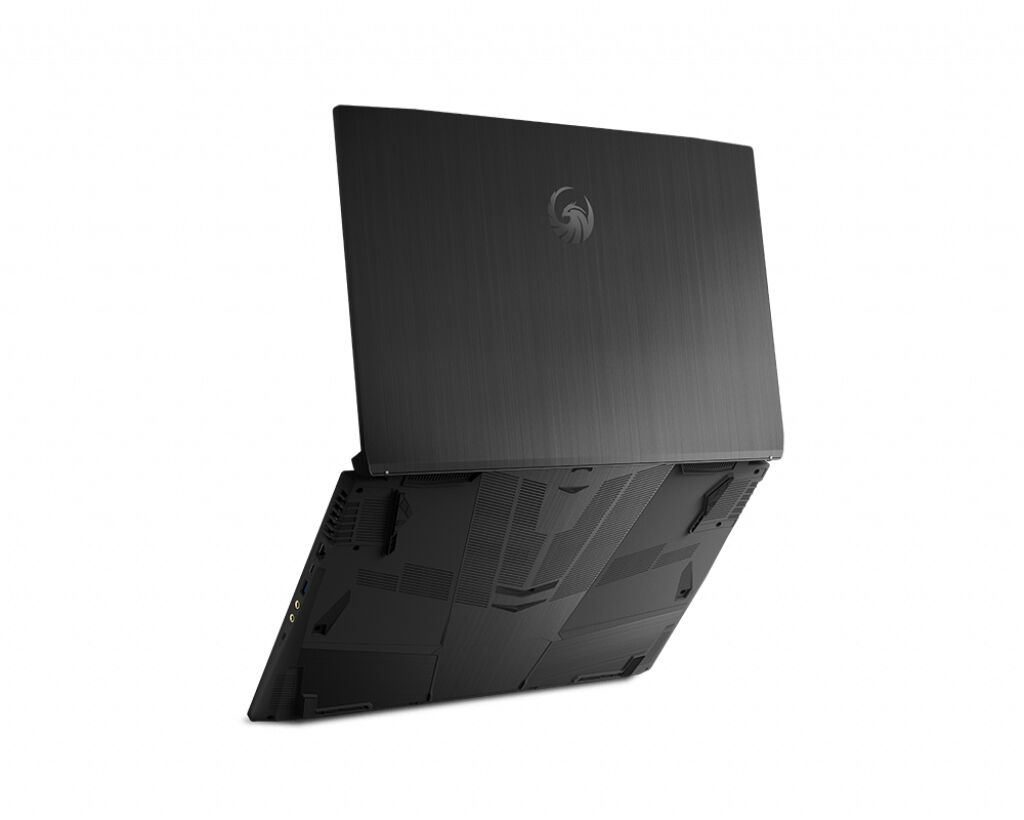
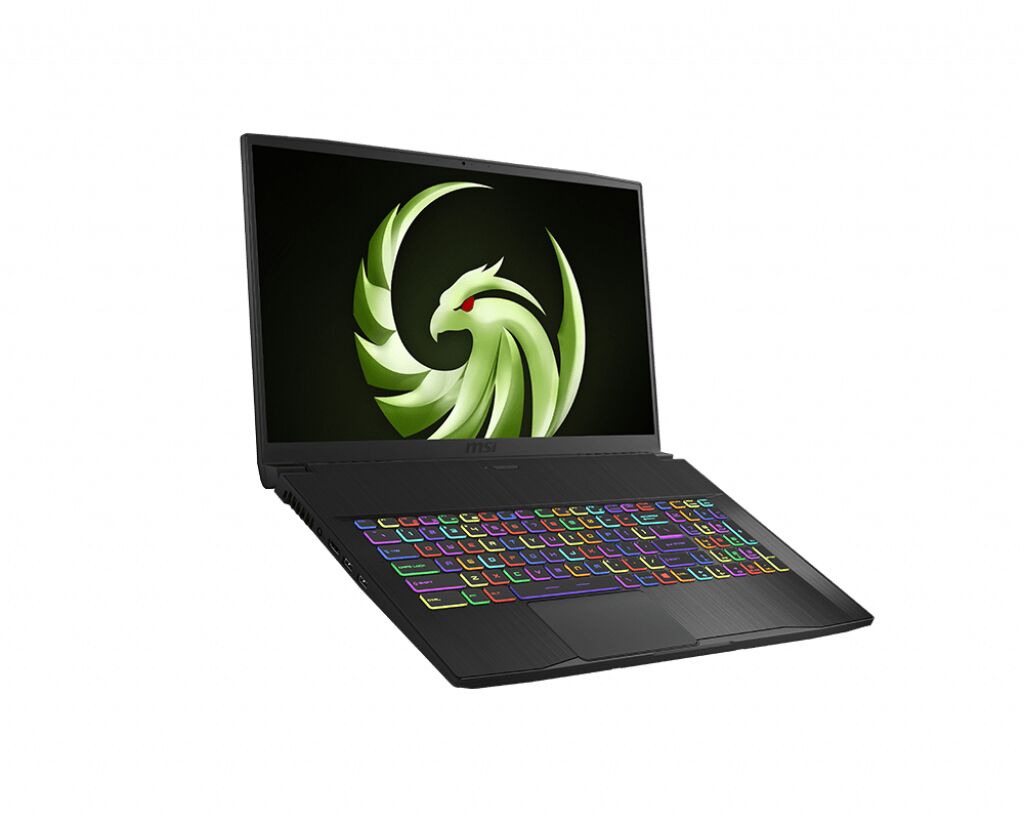
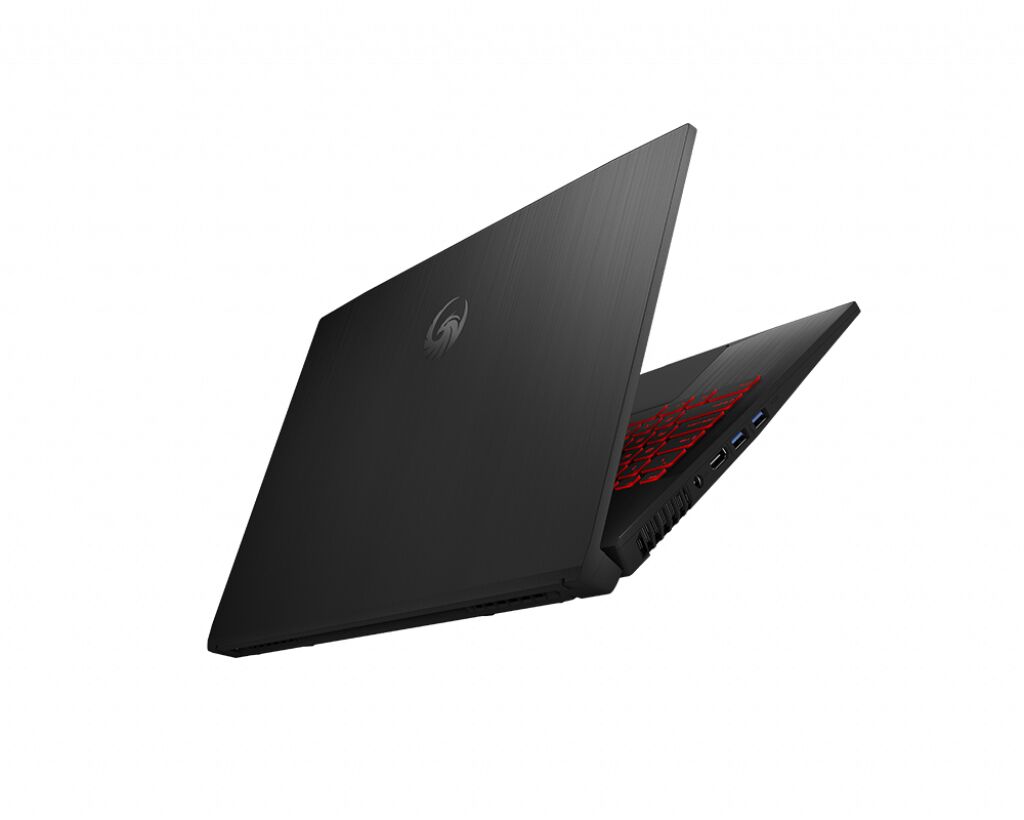
The MSI Bravo 17 A4DDR-083 laptop features DDR4-SDRAM memory upgrade capabilities with two SO-DIMM slots supporting maximum RAM capacity of 64 GB. Compatible memory operates at 3200 MHz frequency. Specifications indicate the device accepts DDR4 modules in SO-DIMM form factor, enabling users to upgrade memory configurations from the factory-installed capacity up to the maximum specified capacity of 64 GB total.
Memory Upgrade Specifications
| Specification | Value |
|---|---|
| Memory slots | 2x SO-DIMM |
| Form factor | SO-DIMM |
| Memory type | DDR4-SDRAM |
| Frequency | 3200 MHz |
| Maximum RAM | 64 GB |
| Voltage | 1.2V |
| Number of pins | 260-pin |
| Interface | PC4 |
| PC Speed Rating | PC4-3200 (PC4-25600) |
| Bandwidth | 25.6 GB/s |
| Laptop Release date | 09 March 2021 |
Additional Notes
- The MSI Bravo 17 A4DDR-083 requires small outline dual in-line memory modules specifically, which eliminates compatibility with standard desktop DIMM modules due to the 67.6mm versus 133.35mm pin length difference.
- Reaching the 64 GB ceiling necessitates installing two 32 GB modules, as single-module configurations would leave half the available memory bandwidth unutilized.
- The 3200 MHz specification represents a maximum supported frequency, meaning faster modules will downclock automatically to match the system's memory controller limits.
- Dual-channel architecture requires matched module pairs for optimal performance, as mismatched capacities or speeds force the memory controller to operate in single-channel mode or at the lowest common frequency.
- DDR4 voltage standards typically default to 1.2V for JEDEC-compliant modules, though XMP profiles requiring higher voltages may not activate if the BIOS lacks support for such overclocking features.
- Accessing the memory slots requires removing the bottom panel, which may void manufacturer warranty if seal stickers are present or if damage occurs during disassembly.
- Operating system limitations apply independently of hardware capacity, as 32-bit Windows editions cannot address more than 4 GB regardless of physical installation.
- Heat dissipation considerations become relevant at maximum capacity, since populated slots generate more thermal output than partially filled configurations in the confined laptop chassis.
- The SO-DIMM specification includes a 260-pin configuration for DDR4 generation memory, distinguishing it from DDR3's 204-pin layout and preventing physically incorrect installations.
- Memory timing specifications beyond frequency affect latency performance, though laptops typically operate modules at JEDEC standard timings rather than manufacturer-optimized XMP profiles.