MSI Bravo 17 A4DDR-035NL RAM upgrade specifications

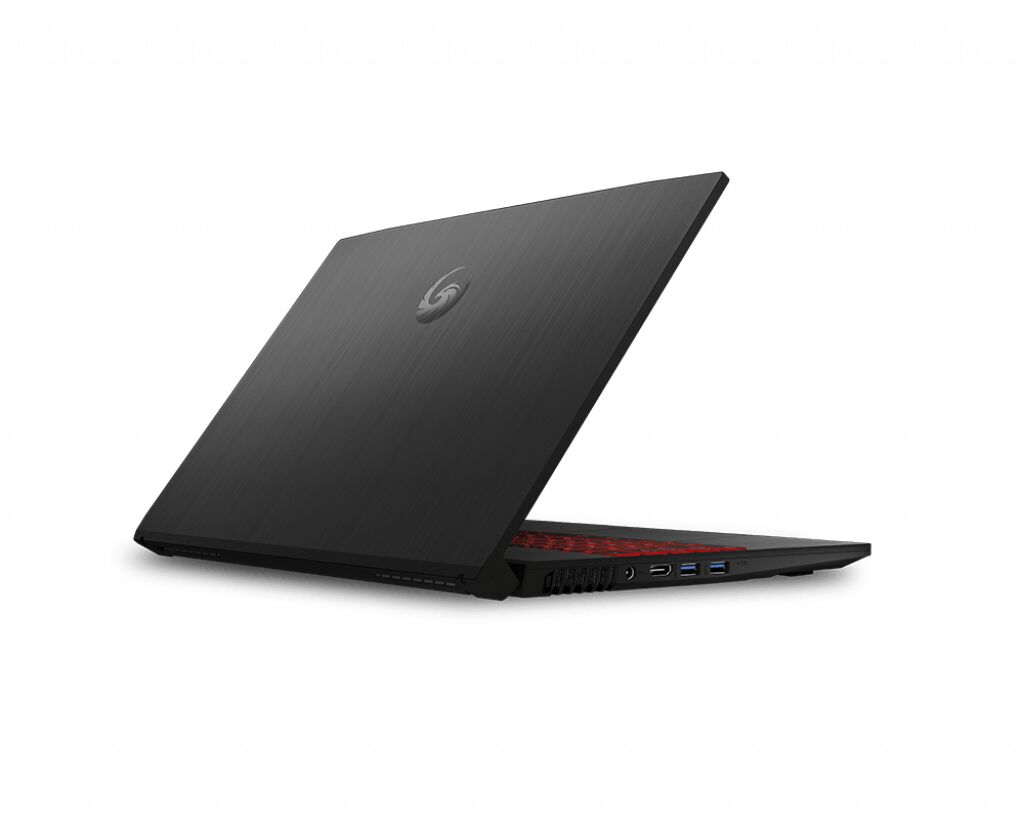
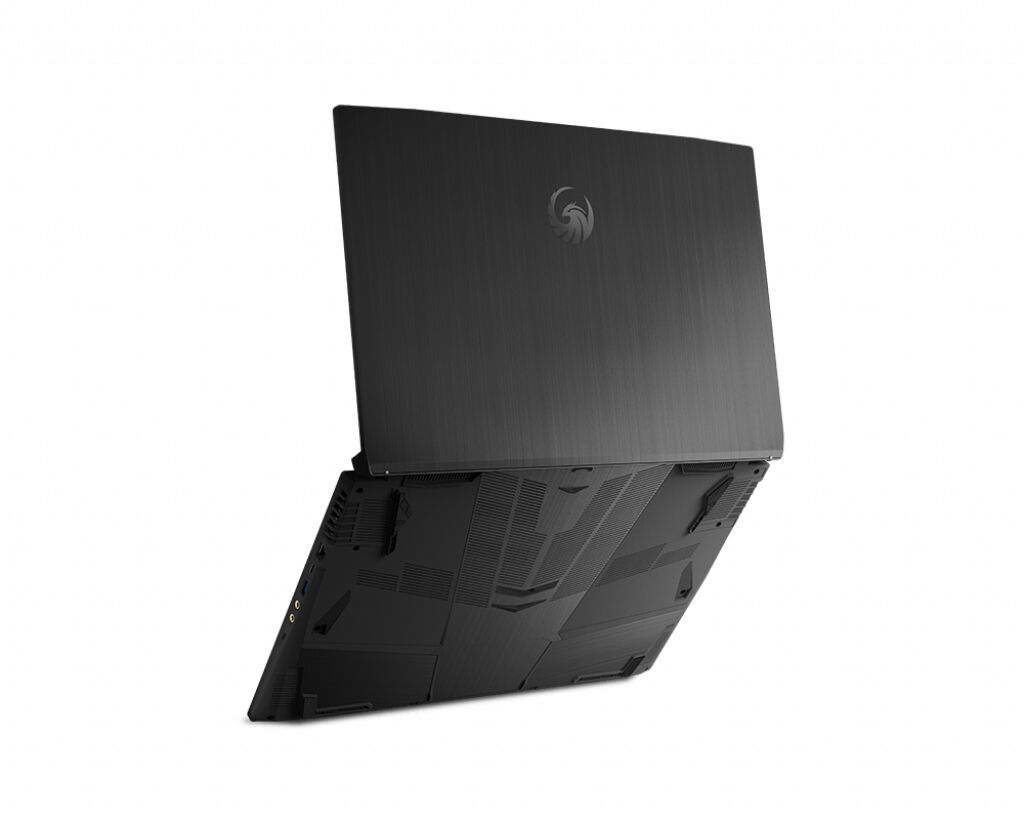

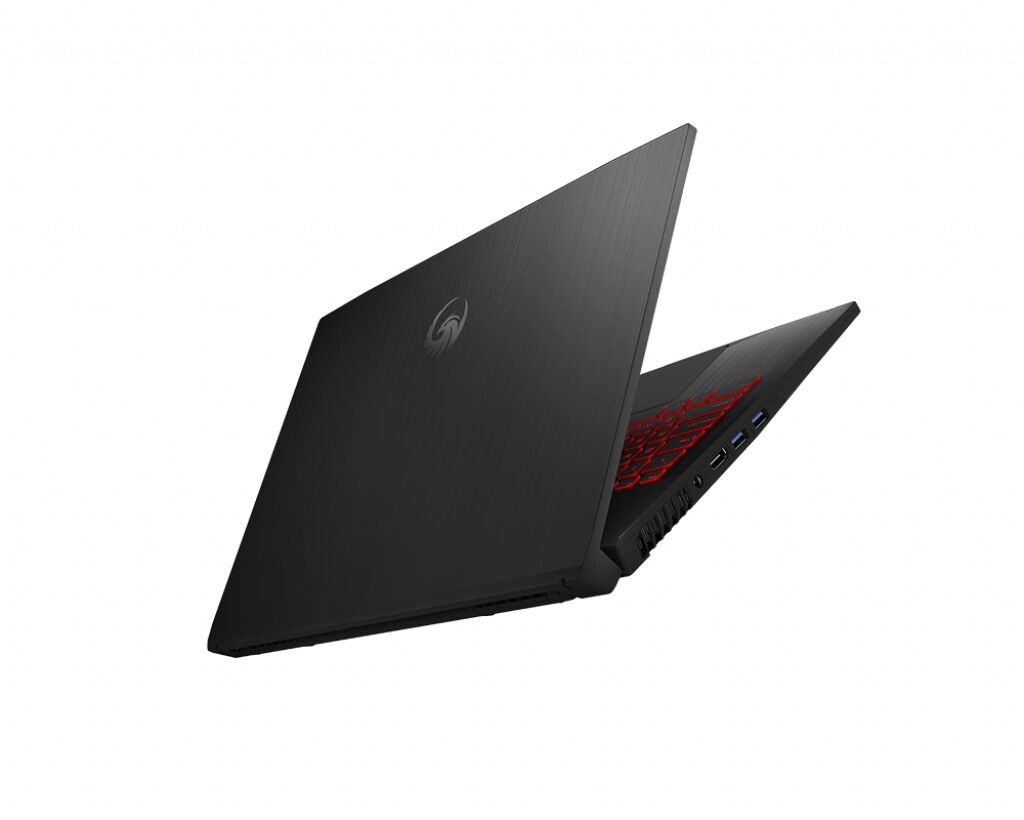
The MSI Bravo 17 A4DDR-035NL supports DDR4-SDRAM memory upgrades with two SO-DIMM slots for maximum expansion. The laptop accommodates up to 64 GB total RAM capacity operating at 3200 MHz frequency. Compatible memory modules utilize the SO-DIMM form factor, enabling users to upgrade from the factory-installed configuration to enhanced RAM specifications. These upgrade slots provide flexibility for expanding the system's memory capacity to meet demanding computational requirements.
Memory Upgrade Specifications
| Specification | Value |
|---|---|
| Memory slots | 2x SO-DIMM |
| Form factor | SO-DIMM |
| Memory type | DDR4-SDRAM |
| Frequency | 3200 MHz |
| Maximum RAM | 64 GB |
| Voltage | 1.2V |
| Number of pins | 260-pin |
| Interface | PC4 |
| PC Speed Rating | PC4-3200 (PC4-25600) |
| Bandwidth | 25.6 GB/s |
| Laptop Release date | 31 May 2020 |
Additional Notes
- The MSI Bravo 17 A4DDR-035NL supports dual-channel memory architecture, which requires matched pairs for optimal bandwidth utilization.
- Mixing modules with different speeds or timings will force all installed memory to operate at the lowest common denominator, potentially reducing system performance.
- The 64 GB maximum capacity constrains future expansion, requiring 2x32 GB modules to reach the upper limit and leaving no additional slots for further upgrades.
- SO-DIMM modules require careful alignment during installation due to notch positioning, which prevents incorrect insertion but demands precision when seating the module at the required angle.
- 3200 MHz frequency depends on CPU memory controller support; older or lower-tier processors may default to 2933 MHz or 2666 MHz operation regardless of module specifications.
- Non-ECC unbuffered modules are required, as standard laptop architectures lack the chipset support necessary for error-correcting memory configurations.
- Operating voltage must remain at the JEDEC-standard 1.2V specification, as higher-voltage overclocking profiles risk thermal issues within the confined laptop chassis.
- Accessing memory slots typically requires complete bottom panel removal, which may involve multiple screw types and potential warranty seal breakage depending on regional service policies.
- Single-rank versus dual-rank module architecture affects maximum capacity per slot, with dual-rank 32 GB modules necessary to achieve the 64 GB ceiling.
- Memory bandwidth scales with frequency and channel configuration, meaning dual-channel 3200 MHz operation provides 51.2 GB/s theoretical throughput compared to 25.6 GB/s in single-channel mode.