MSI Bravo 17 A4DDR-009 RAM upgrade specifications
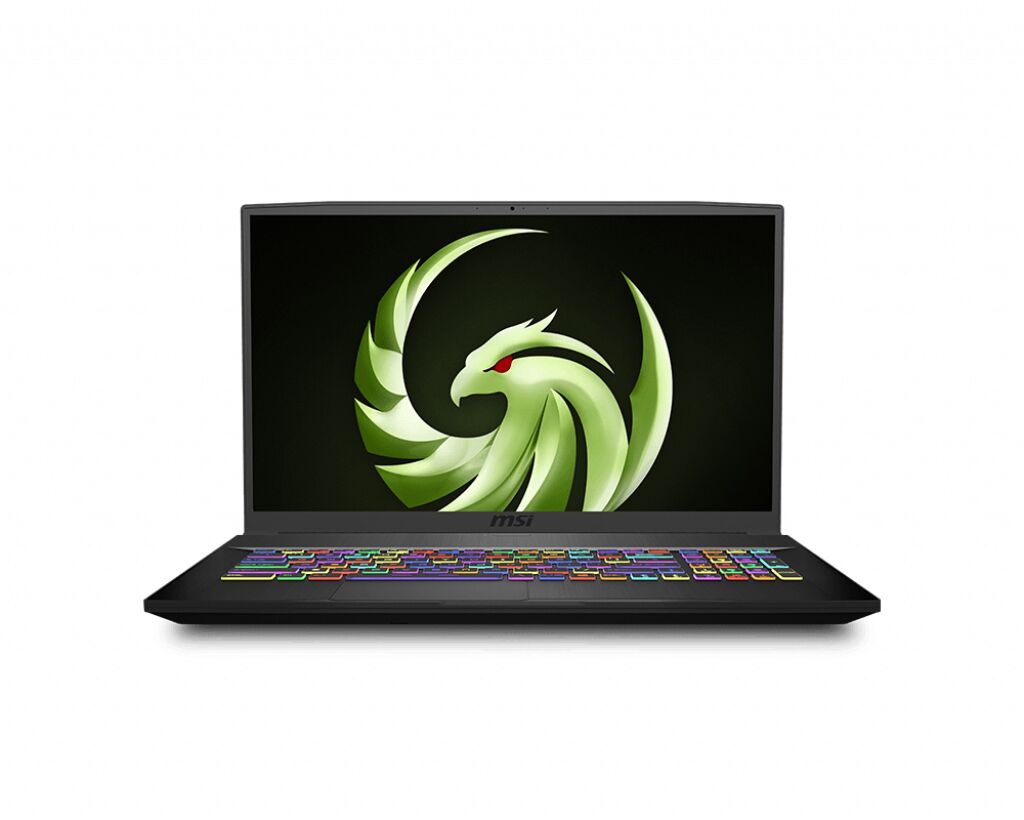
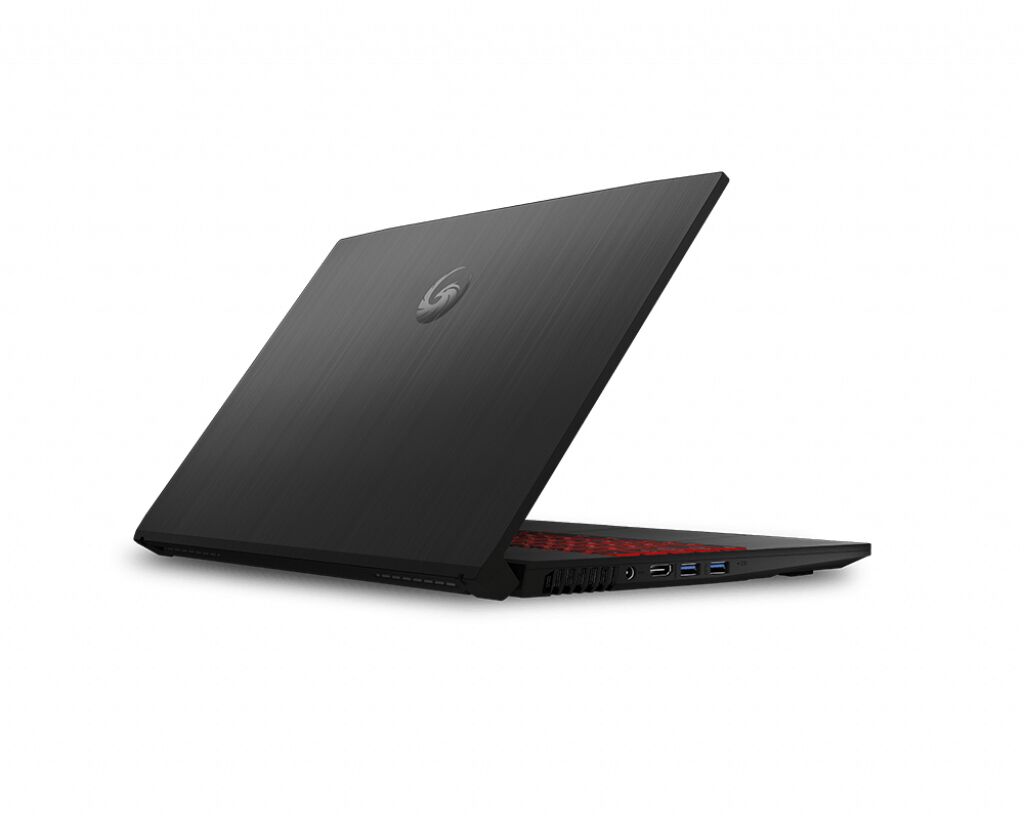
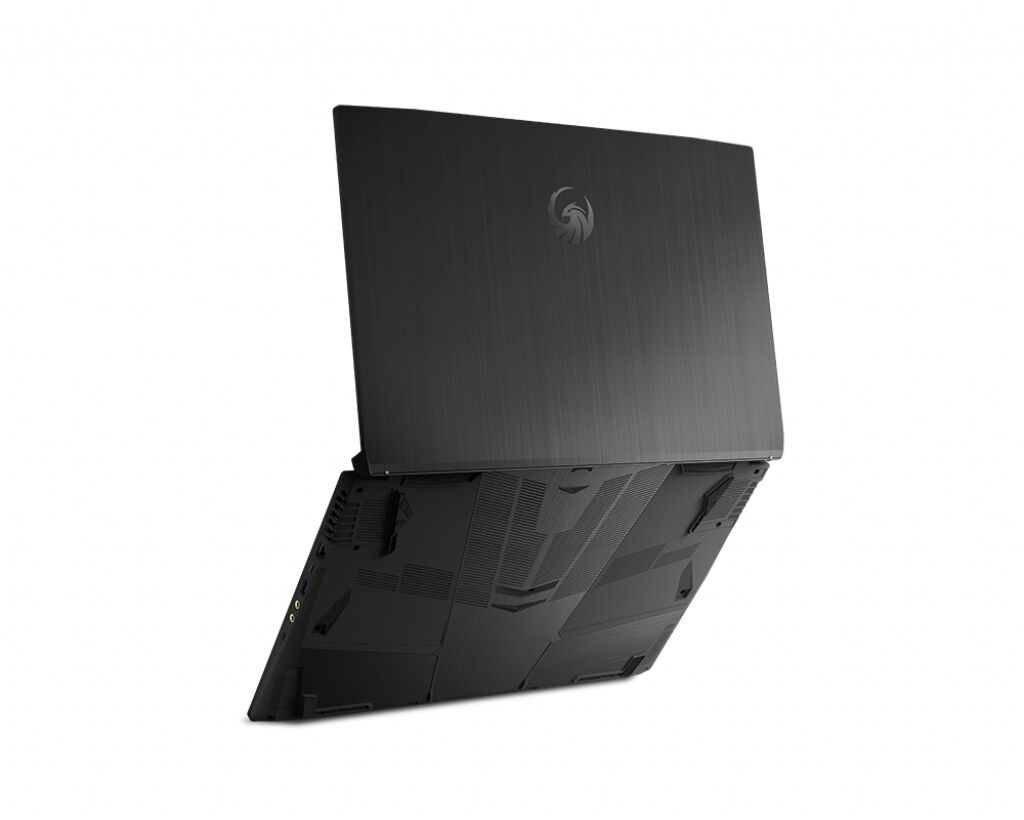
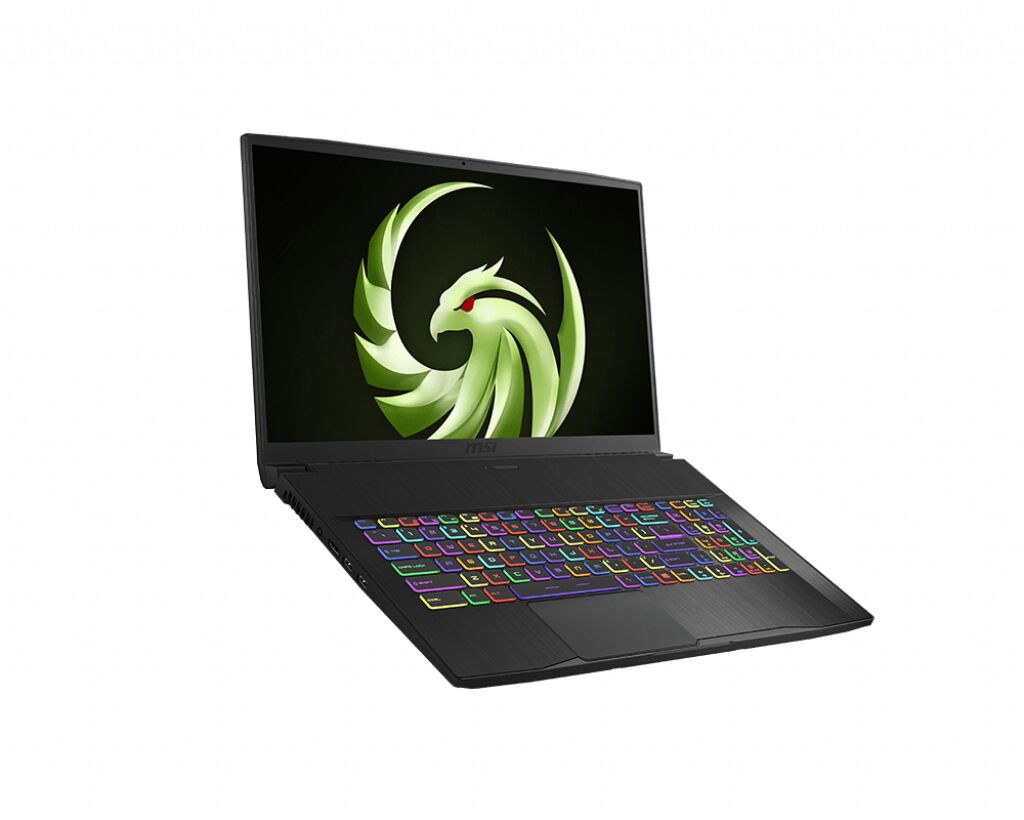
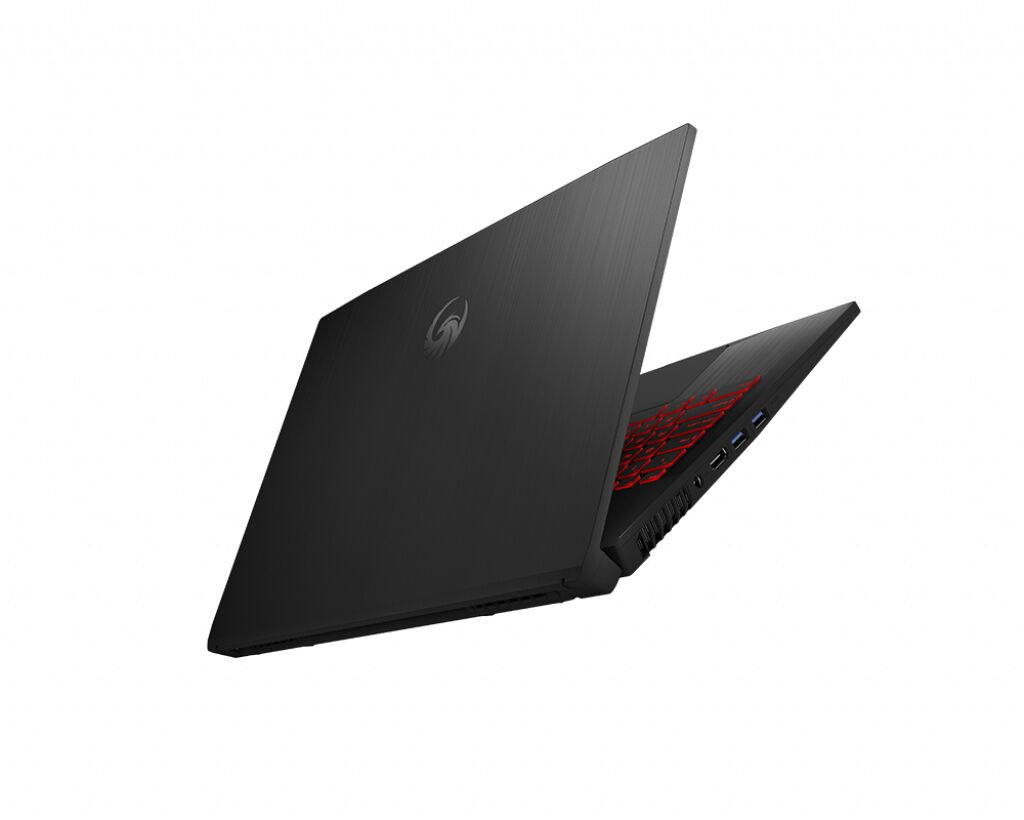
MSI Bravo 17 A4DDR-009 laptop memory upgrade specifications include two SO-DIMM slots supporting DDR4-SDRAM memory modules. Maximum RAM capacity reaches 64 GB total. Compatible memory operates at 3200 MHz frequency. Upgrade options accommodate dual-channel DDR4 configurations for enhanced system performance. SO-DIMM form factor specifications define memory module dimensions and compatibility requirements for this laptop series.
Memory Upgrade Specifications
| Specification | Value |
|---|---|
| Memory slots | 2x SO-DIMM |
| Form factor | SO-DIMM |
| Memory type | DDR4-SDRAM |
| Frequency | 3200 MHz |
| Maximum RAM | 64 GB |
| Voltage | 1.2V |
| Number of pins | 260-pin |
| Interface | PC4 |
| PC Speed Rating | PC4-3200 (PC4-25600) |
| Bandwidth | 25.6 GB/s |
| Laptop Release date | 19 May 2020 |
Additional Notes
- The MSI Bravo 17 A4DDR-009 uses DDR4 memory that operates at 3200 MHz, which is the JEDEC standard ceiling for DDR4 specification. Memory modules rated above this frequency will operate at 3200 MHz unless manual overclocking is applied in BIOS, meaning higher-frequency modules provide no performance advantage without system tuning.
- SO-DIMM slots impose strict physical constraints: only laptop-specific memory modules fit, and standard desktop DDR4 DIMMs cannot be installed. This prevents accidental incompatible purchases but eliminates opportunities to repurpose surplus desktop memory modules.
- With 2 slots available and a 64 GB maximum capacity, each slot supports a maximum of 32 GB, which requires modules manufactured after 2021 when this density became standard. Older 16 GB modules represent the safer compatibility baseline for guaranteed recognition by older BIOS versions.
- Dual-channel architecture requires matched pairs for optimal performance; installing a single module in one slot results in single-channel operation, which increases latency and reduces bandwidth for CPU-intensive workloads. Upgrading from 8 GB to 16 GB using mismatched speeds or timings disables dual-channel mode automatically.
- The 64 GB limit accommodates professional workloads (virtualization, video rendering, large dataset processing) but prevents further expansion. Systems approaching this ceiling cannot be upgraded further without complete memory replacement, making a full 64 GB upgrade path irreversible from a cost-per-GB standpoint.
- DDR4 compatibility with this system extends through 2027-2028 before mainstream industry transition to DDR5, after which DDR4 module availability will decline and pricing for new stock may increase as supply shifts to legacy support only.