MSI Bravo 17 A4DDR-007 RAM upgrade specifications


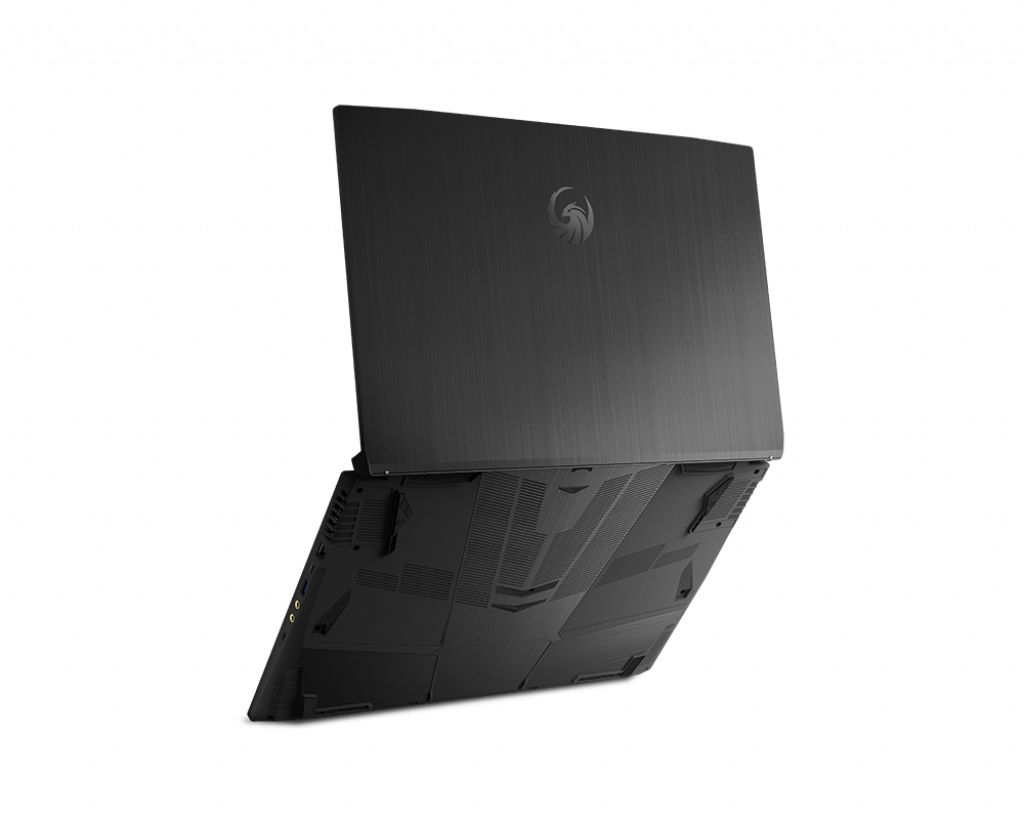


The MSI Bravo 17 A4DDR-007 laptop features dual SO-DIMM slots supporting DDR4-SDRAM memory upgrades. The upgrade specifications indicate maximum RAM capacity of 64 GB, compatible with DDR4 modules operating at 3200 MHz frequency. Current memory configuration and available slot capacity determine upgrade options for this model. Existing memory modules must be removed to access the SO-DIMM slots for installation of compatible DDR4-SDRAM upgrades.
Memory Upgrade Specifications
| Specification | Value |
|---|---|
| Memory slots | 2x SO-DIMM |
| Form factor | SO-DIMM |
| Memory type | DDR4-SDRAM |
| Frequency | 3200 MHz |
| Maximum RAM | 64 GB |
| Voltage | 1.2V |
| Number of pins | 260-pin |
| Interface | PC4 |
| PC Speed Rating | PC4-3200 (PC4-25600) |
| Bandwidth | 25.6 GB/s |
| Laptop Release date | 04 May 2020 |
Additional Notes
- DDR4 compatibility mandates SO-DIMM modules rated for 3200 MHz operation; standard UDIMM desktop memory is physically incompatible with the MSI Bravo 17 A4DDR-007 slot configuration.
- Dual-channel architecture with 2 slots supports symmetric population only; single-slot upgrades operate at reduced bandwidth, halving effective memory throughput compared to matched-pair configurations.
- 64 GB ceiling requires 32 GB per module; mainstream consumer DDR4 SO-DIMM availability at this density remains limited compared to 16 GB variants, affecting purchase options and pricing.
- 3200 MHz frequency specification represents supported maximum; mixing modules of differing speeds defaults the system to the lower-rated module's frequency, creating performance regression.
- SO-DIMM modules generate higher thermal density than standard UDIMM form factors due to compressed component layout; sustained high-capacity operation may require active thermal management verification.
- Warranty retention during DIY upgrades depends on manufacturer policy; SO-DIMM replacement typically falls within user-serviceable parameters, though verification against MSI's specific documentation mitigates coverage disputes.
- Latency performance between generations of DDR4 (CAS timings of 18 versus 22 cycles) produces measurable throughput variance; specification matching beyond frequency alone affects application responsiveness.