MSI Bravo 17 A4DDR-082 RAM upgrade specifications


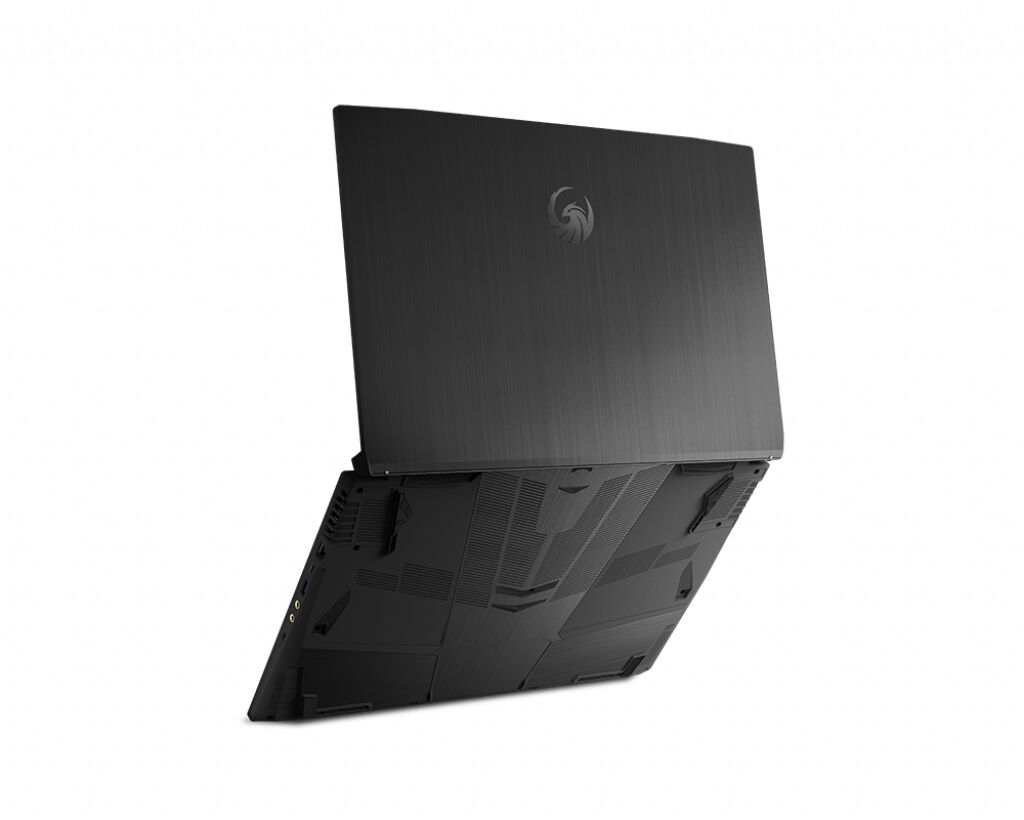


MSI Bravo 17 A4DDR-082 laptop features two SO-DIMM memory slots supporting DDR4-SDRAM upgrade specifications. Maximum RAM capacity reaches 64 GB total, with compatible modules operating at 3200 MHz frequency. Memory upgrade slots accommodate standard SO-DIMM form factor components. Specifications enable users to expand system memory from factory configuration to maximum supported capacity through compatible DDR4 RAM modules in both available slots.
Memory Upgrade Specifications
| Specification | Value |
|---|---|
| Memory slots | 2x SO-DIMM |
| Form factor | SO-DIMM |
| Memory type | DDR4-SDRAM |
| Frequency | 3200 MHz |
| Maximum RAM | 64 GB |
| Voltage | 1.2V |
| Number of pins | 260-pin |
| Interface | PC4 |
| PC Speed Rating | PC4-3200 (PC4-25600) |
| Bandwidth | 25.6 GB/s |
| Laptop Release date | 09 September 2020 |
Additional Notes
- The MSI Bravo 17 A4DDR-082 requires SO-DIMM modules specifically, meaning standard desktop DIMM memory is physically incompatible due to the smaller 260-pin socket design versus desktop's 288-pin configuration.
- Both memory slots must be populated with matched pairs to enable dual-channel operation, as single-module configurations will halve memory bandwidth from the potential 51.2 GB/s to 25.6 GB/s.
- Installing modules slower than 3200 MHz will force the entire system to operate at the lower frequency, as DDR4 controllers automatically downclock to the slowest installed module.
- The 64 GB ceiling indicates chipset-level memory controller addressing limits, making future expansion beyond 2x32 GB physically impossible regardless of module availability.
- Non-matching module capacities between slots will maintain dual-channel only up to the smaller module's capacity, with excess capacity reverting to slower single-channel mode (flex mode).
- Modules exceeding 1.2V standard DDR4 specification may cause thermal throttling in the confined laptop chassis, as SO-DIMM slots typically lack dedicated active cooling.
- Memory installation requires bottom panel removal, which may void seals or warranties depending on regional consumer protection laws and manufacturer policies.
- The absence of ECC support in consumer DDR4-SDRAM configurations means bit-flip errors remain undetected and uncorrected during memory-intensive workloads.
- Mixing different RAM ranks (single-rank with dual-rank modules) can prevent POST completion or force operation at reduced speeds due to memory controller training failures.
- Modules with excessive heat spreader height may contact the bottom panel or internal components, creating pressure points that could damage circuitry or prevent proper chassis closure.