MSI Creator A10SDT-067FR RAM upgrade specifications

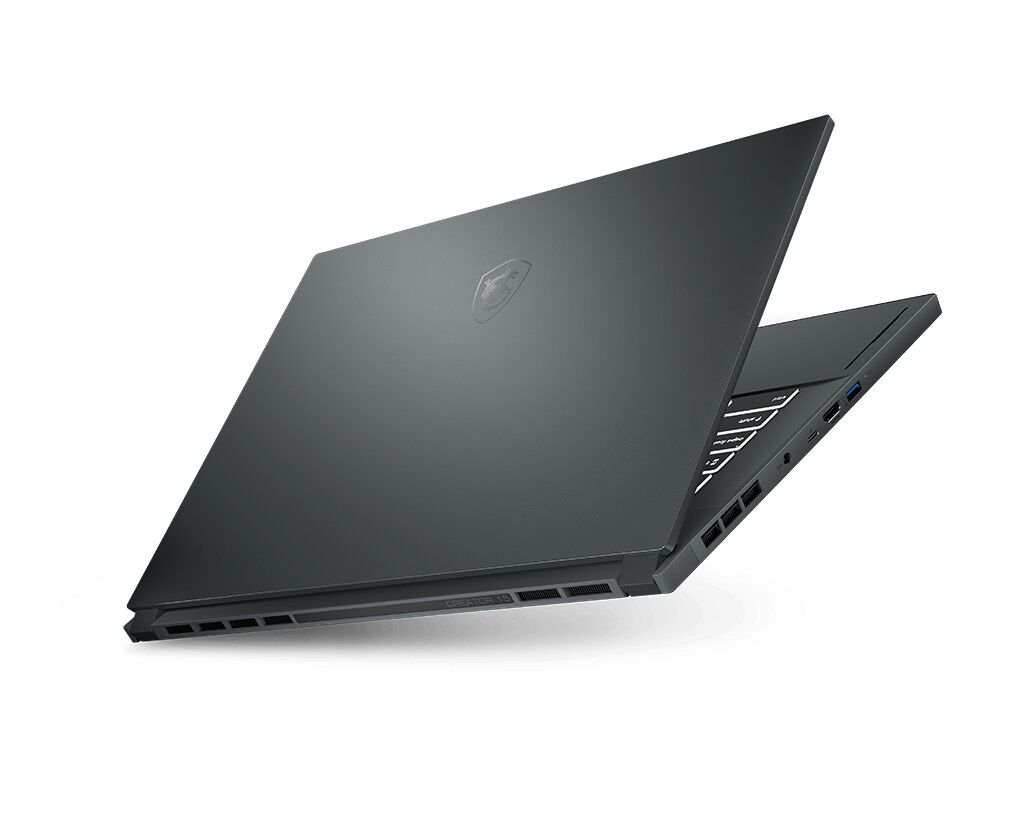


MSI Creator 15 A10SDT-067FR laptop features two SO-DIMM memory slots supporting DDR4-SDRAM upgrade capacity. The device accommodates maximum RAM of 64 GB total, with compatible memory operating at 2666 MHz frequency. Specifications indicate SO-DIMM form factor modules are required for RAM upgrade compatibility on the A10SDT-067FR model within the Creator 15 series lineup.
Memory Upgrade Specifications
| Specification | Value |
|---|---|
| Memory slots | 2x SO-DIMM |
| Form factor | SO-DIMM |
| Memory type | DDR4-SDRAM |
| Frequency | 2666 MHz |
| Maximum RAM | 64 GB |
| Voltage | 1.2V |
| Number of pins | 260-pin |
| Interface | PC4 |
| PC Speed Rating | PC4-2666 (PC4-21328) |
| Bandwidth | 21.3 GB/s |
| Laptop Release date | 28 May 2020 |
Additional Notes
- The MSI Creator A10SDT-067FR accepts only SO-DIMM modules, which prevents installation of standard desktop DIMM memory despite identical DDR4 specifications.
- Dual-channel architecture requires matched pairs for optimal bandwidth, delivering 42.6 GB/s theoretical throughput when both slots operate synchronously at 2666 MHz.
- The 64 GB maximum necessitates 32 GB modules per slot, though availability of DDR4 SO-DIMM modules at this density remains limited compared to 16 GB variants.
- Mixing modules with different speeds forces all installed memory to downclock to the slowest module's frequency, negating any performance advantage of faster-rated RAM.
- The 2666 MHz specification indicates 10th generation Intel chipset limitations, as newer platforms support 3200 MHz without overclocking.
- Installation requires accessing the bottom panel, where static discharge precautions become critical to prevent motherboard damage during module handling.
- Mismatched module capacities between slots still enables dual-channel operation for the lowest common capacity, with remaining memory reverting to slower single-channel mode.
- JEDEC-standard DDR4-2666 operates at 1.2V, while modules rated for higher speeds may default to this specification unless XMP profiles exist and BIOS support allows activation.
- Memory latency remains fixed at approximately 19-19-19 timings for standard 2666 MHz modules, establishing baseline responsiveness for applications sensitive to access delays.
- Warranty preservation typically permits user-installed memory upgrades without seal breakage, though verification of regional service policies prevents coverage disputes.