MSI Creator 15 A11UH-631 RAM upgrade specifications
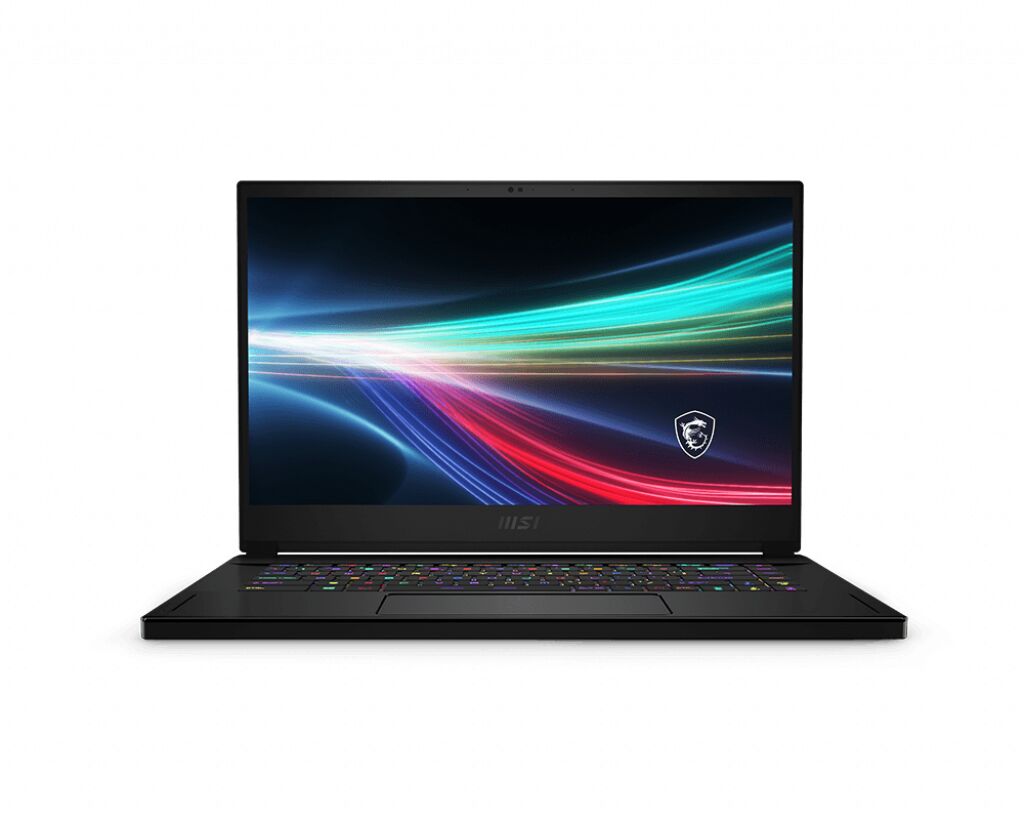
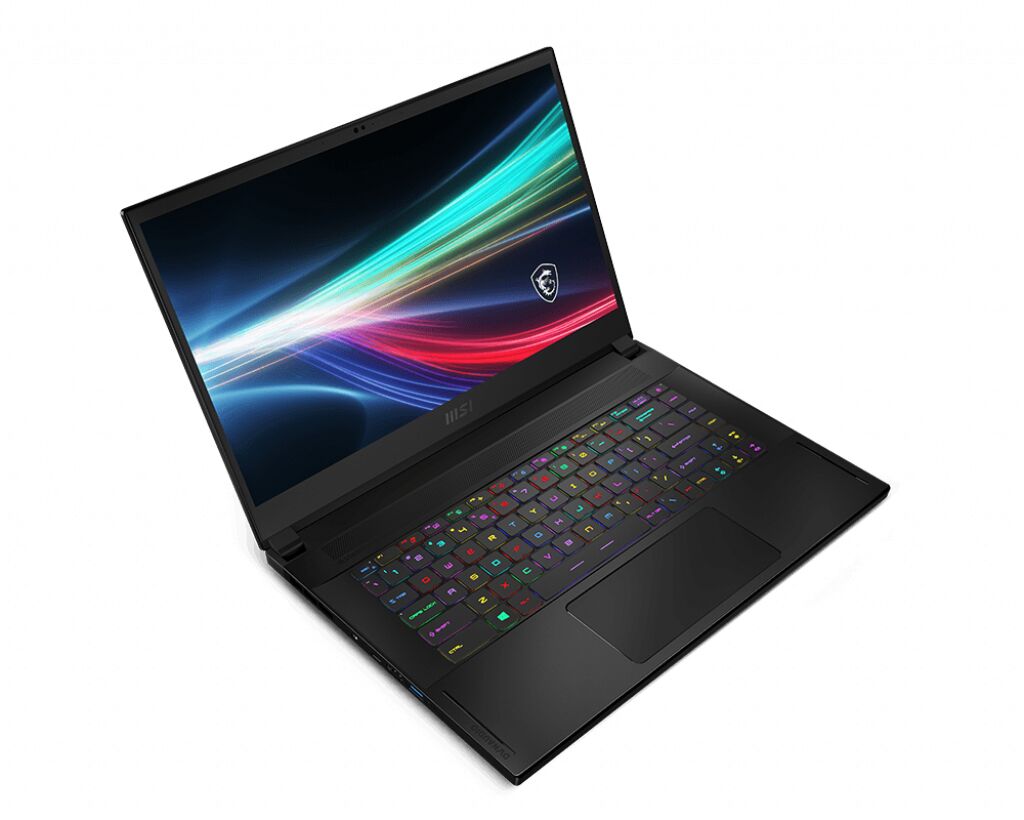
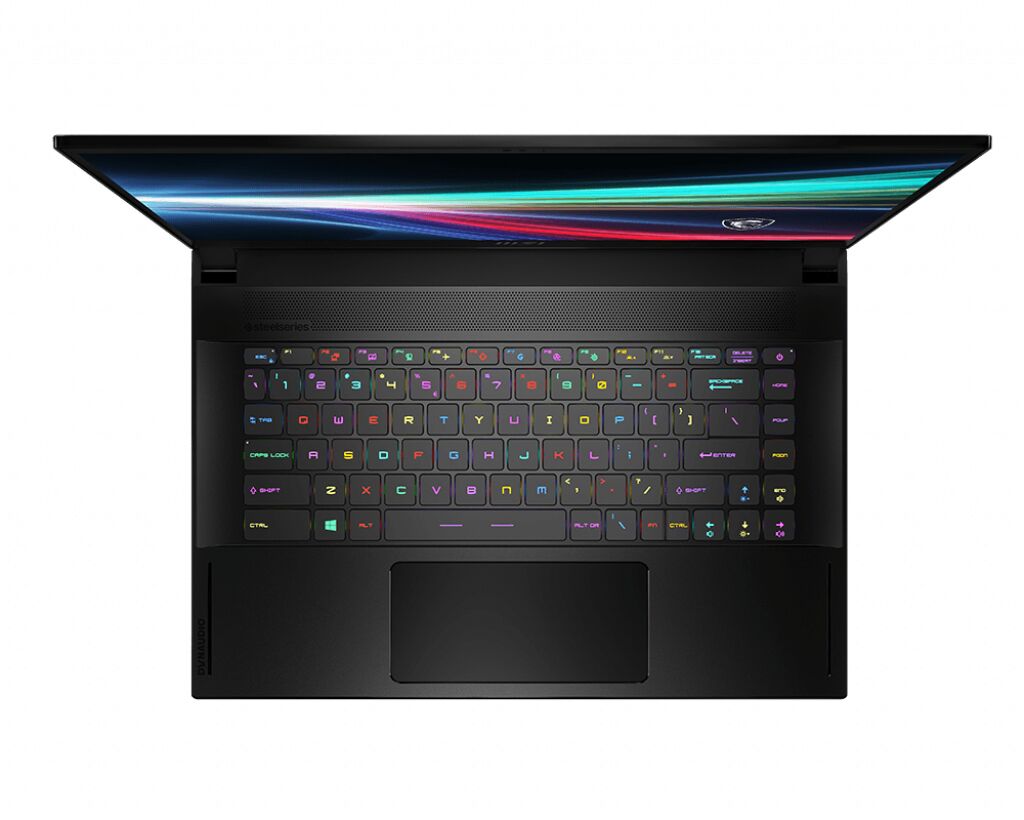
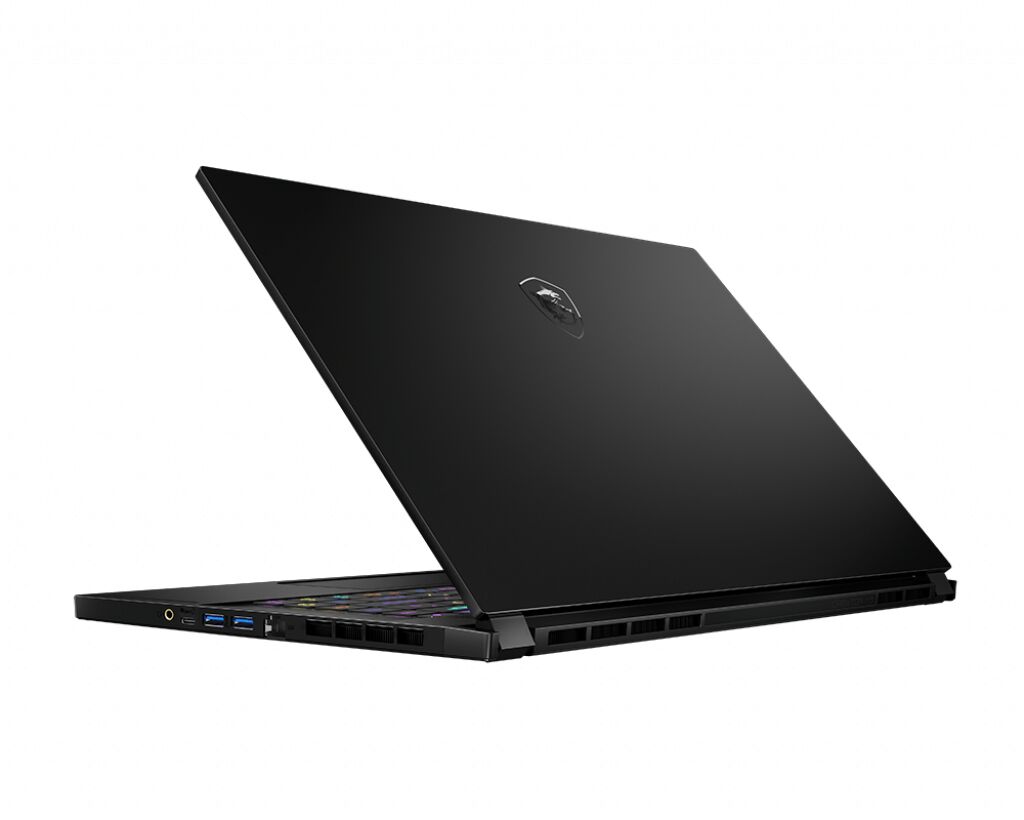
The MSI Creator 15 A11UH-631 laptop features two SO-DIMM memory slots supporting DDR4-SDRAM upgrade specifications. Compatible RAM operates at 3200 MHz frequency with a maximum capacity of 64 GB total memory. Upgrade options utilize SO-DIMM form factor modules, enabling users to expand the laptop's memory configuration from its factory baseline. Specifications indicate DDR4 technology compatibility for the Creator series 15 model, supporting standard SODIMM memory upgrades to reach the maximum RAM threshold of 64 GB across both available slots.
Memory Upgrade Specifications
| Specification | Value |
|---|---|
| Memory slots | 2x SO-DIMM |
| Form factor | SO-DIMM |
| Memory type | DDR4-SDRAM |
| Frequency | 3200 MHz |
| Maximum RAM | 64 GB |
| Voltage | 1.2V |
| Number of pins | 260-pin |
| Interface | PC4 |
| PC Speed Rating | PC4-3200 (PC4-25600) |
| Bandwidth | 25.6 GB/s |
| Laptop Release date | 18 March 2022 |
Additional Notes
- The MSI Creator 15 A11UH-631 utilizes standard laptop SO-DIMM modules, eliminating the complications associated with proprietary or soldered memory configurations that restrict aftermarket upgrades.
- DDR4-3200 represents the upper frequency threshold for this platform, meaning modules rated at higher speeds such as 3600 MHz will downclock to 3200 MHz during operation.
- The 64 GB ceiling requires installation of two 32 GB modules, as the dual-slot configuration offers no alternative pathway to reach maximum capacity.
- DDR4-SDRAM operates at 1.2 volts, while some DDR4 variants require 1.35 volts, making voltage compatibility verification necessary before purchase to prevent boot failures or instability.
- The SO-DIMM form factor measures 67.6 mm in length compared to 133.35 mm for desktop DIMMs, ensuring physical incompatibility with standard desktop modules regardless of electrical specifications.
- Accessing both memory slots typically requires complete bottom panel removal rather than a dedicated access door, introducing risk of warranty seal breakage depending on regional service policies.
- Mixed-capacity configurations such as 16 GB paired with 32 GB will function but may disable dual-channel mode for the unpaired portion, reducing memory bandwidth by approximately 50 percent for affected operations.
- Single-rank versus dual-rank module architecture affects memory interleaving performance, with dual-rank DIMMs generally providing 5 to 15 percent higher bandwidth in applications that saturate memory subsystems.
- The 3200 MHz specification demands DDR4-3200 or PC4-25600 compatibility labeling on replacement modules, as lower-speed modules will function but sacrifice available bandwidth.
- Thermal constraints within the chassis may throttle performance before memory reaches theoretical bandwidth limits, particularly under sustained workloads that elevate ambient temperatures around the SO-DIMM slots.