MSI Creator A10SDT-213FR RAM upgrade specifications



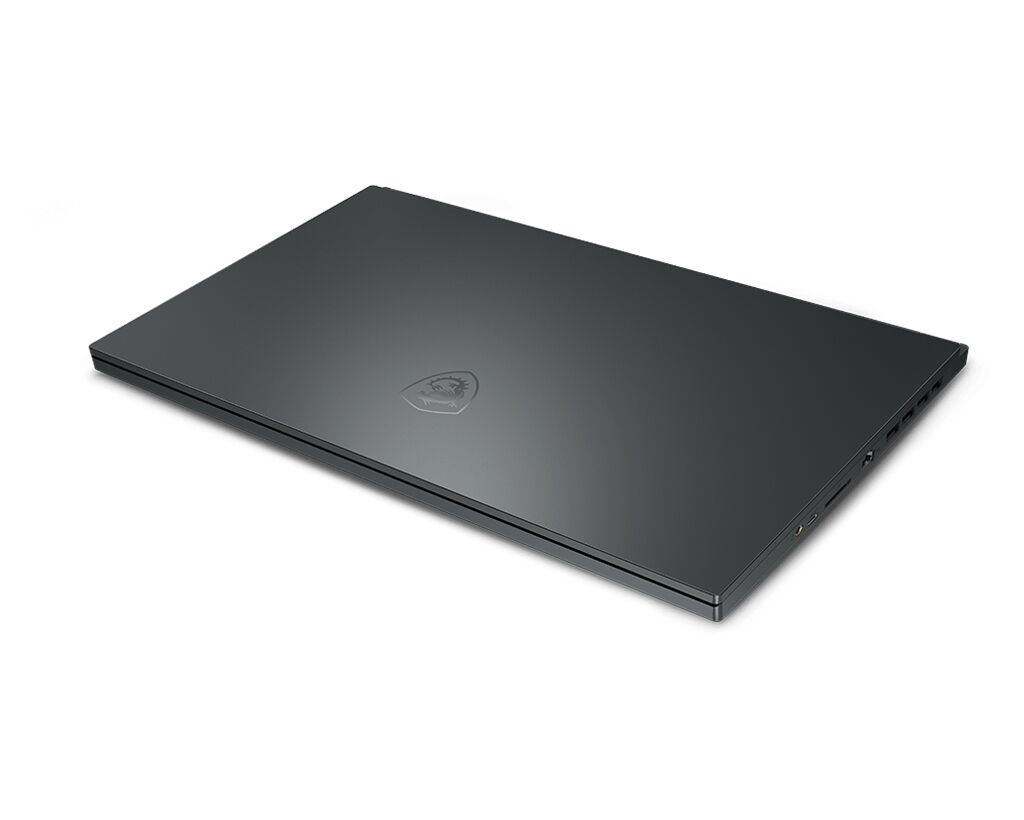

MSI Creator Series 15 model A10SDT-213FR supports DDR4-SDRAM memory upgrades across 2x SO-DIMM slots. Maximum RAM capacity reaches 64 GB with compatible DDR4 modules operating at 2666 MHz frequency. Specifications indicate SO-DIMM form factor for memory upgrade compatibility. Current upgrade slots accommodate standard laptop memory specifications for the Creator 15 series configuration.
Memory Upgrade Specifications
| Specification | Value |
|---|---|
| Memory slots | 2x SO-DIMM |
| Form factor | SO-DIMM |
| Memory type | DDR4-SDRAM |
| Frequency | 2666 MHz |
| Maximum RAM | 64 GB |
| Voltage | 1.2V |
| Number of pins | 260-pin |
| Interface | PC4 |
| PC Speed Rating | PC4-2666 (PC4-21328) |
| Bandwidth | 21.3 GB/s |
| Laptop Release date | 13 October 2020 |
Additional Notes
- The MSI Creator A10SDT-213FR requires SO-DIMM modules, which eliminates compatibility with standard DIMM memory intended for desktop systems.
- DDR4-SDRAM specification restricts backward compatibility with DDR3 modules and forward compatibility with DDR5 technology due to physical notch positioning and voltage differences.
- The 2666 MHz frequency represents the JEDEC standard baseline, though modules rated at higher speeds will downclock to this frequency when installed, wasting their performance overhead.
- The 64 GB maximum capacity constraint requires 2 modules of 32 GB each to reach full potential, as single 64 GB SO-DIMM modules exceed the memory controller's per-slot addressing capability.
- Dual-channel architecture necessitates matched pairs of identical specification modules to achieve symmetric memory bandwidth of 42.6 GB/s per channel.
- Mixing modules with different densities or timings forces the memory controller to operate at the lowest common denominator, degrading overall system performance.
- Non-ECC unbuffered modules are required, as the mobile platform's memory controller lacks error correction circuitry and registered DIMM support.
- Operating voltage must conform to the DDR4 standard of 1.2V, as modules requiring 1.35V or higher may trigger thermal throttling or cause POST failures.
- CAS latency specifications become critical when upgrading, as higher latency modules at the same frequency increase memory access delays that affect CPU-intensive workloads.
- Physical clearance between SO-DIMM slots and heat dissipation components may restrict modules with oversized heat spreaders from proper seating.
- Manufacturer-approved memory configurations ensure warranty coverage, while third-party modules of equivalent specification may void support agreements despite technical compatibility.