MSI Creator A10UG-227FR RAM upgrade specifications
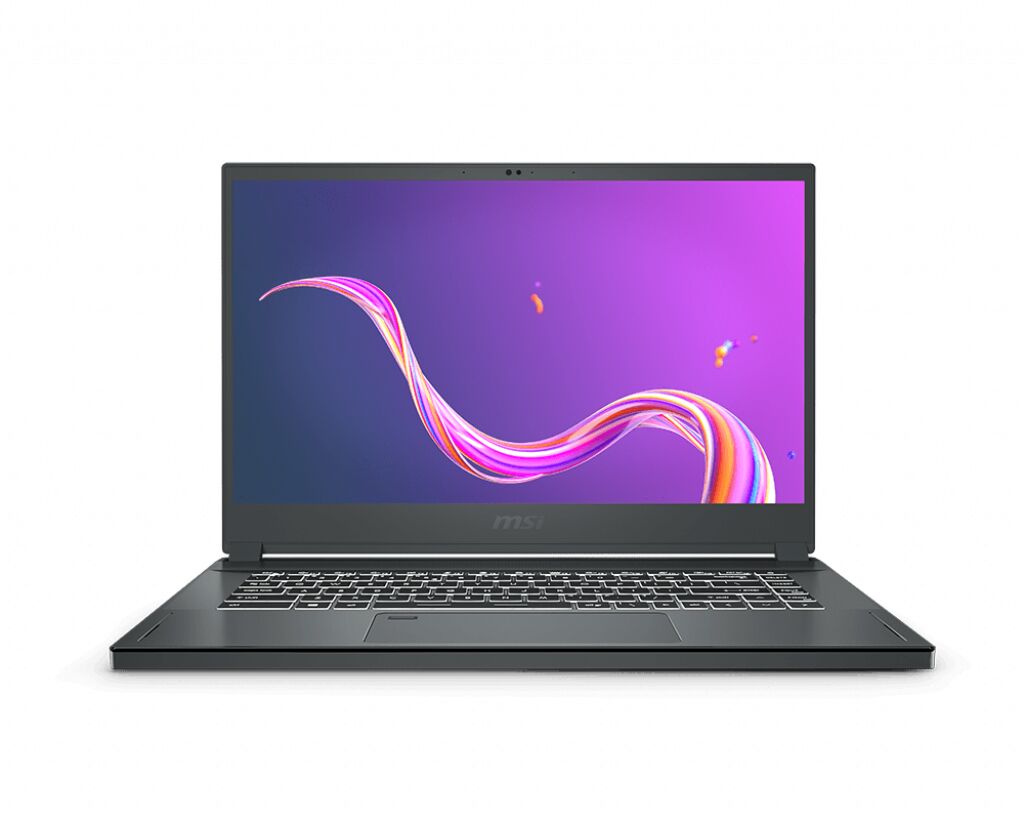


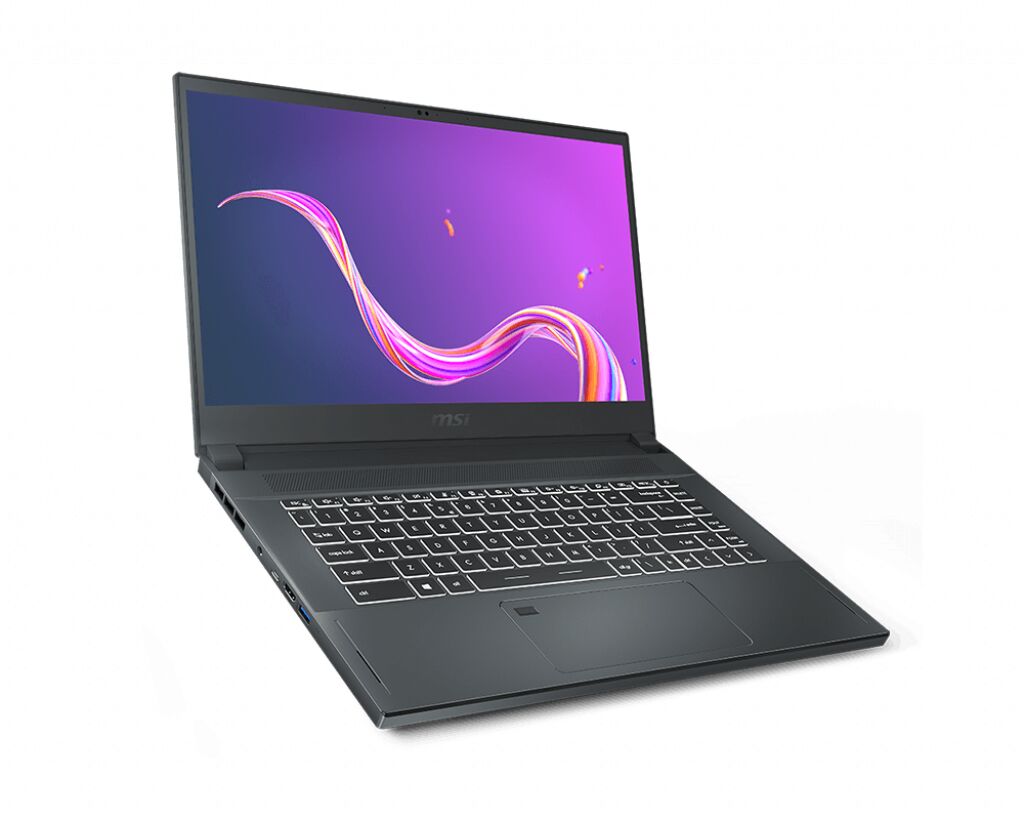
The MSI Creator 15 A10UG-227FR laptop supports DDR4-SDRAM memory upgrades with a maximum capacity of 64 GB. The system features 2x SO-DIMM memory slots, accommodating SO-DIMM form factor modules at 3200 MHz frequency. Compatible RAM upgrades enable users to enhance the notebook's specifications by installing additional memory modules in available slots, with maximum supported capacity reaching 64 GB total.
Memory Upgrade Specifications
| Specification | Value |
|---|---|
| Memory slots | 2x SO-DIMM |
| Form factor | SO-DIMM |
| Memory type | DDR4-SDRAM |
| Frequency | 3200 MHz |
| Maximum RAM | 64 GB |
| Voltage | 1.2V |
| Number of pins | 260-pin |
| Interface | PC4 |
| PC Speed Rating | PC4-3200 (PC4-25600) |
| Bandwidth | 25.6 GB/s |
| Laptop Release date | 04 January 2021 |
Additional Notes
- The MSI Creator A10UG-227FR accommodates 2 memory modules maximum, constraining future expansion to a single upgrade event rather than incremental capacity additions.
- SO-DIMM form factor restricts upgrade options to laptop-grade memory modules; desktop DDR4 DIMMs are physically incompatible and will not mechanize into the available slots.
- DDR4-3200 specification establishes a performance ceiling; memory modules rated above 3200 MHz will downclock to this frequency, negating the cost premium of higher-speed variants.
- 64 GB capacity ceiling means a dual-slot configuration supports maximum installation of 2x32 GB modules; single-module upgrades leave one slot vacant, creating asymmetric memory configuration that reduces dual-channel performance bandwidth.
- Achieving the 64 GB maximum requires purchasing matched 32 GB SO-DIMM pairs; partial upgrades to 48 GB (combining original 16 GB with new 32 GB) introduce speed and latency penalties due to mixed-capacity asymmetry.
- The 3200 MHz frequency dependency means replacement modules must explicitly support DDR4-3200 or backward-compatible lower speeds; variant modules lacking JEDEC 3200 MHz certification may require BIOS validation before stable operation.
- Dual-slot architecture with no upgrade modularity means the original memory modules become surplus hardware if full capacity is pursued; resale value recovery depends on original module capacity and generation.