MSI Creator A10SGS-049FR RAM upgrade specifications
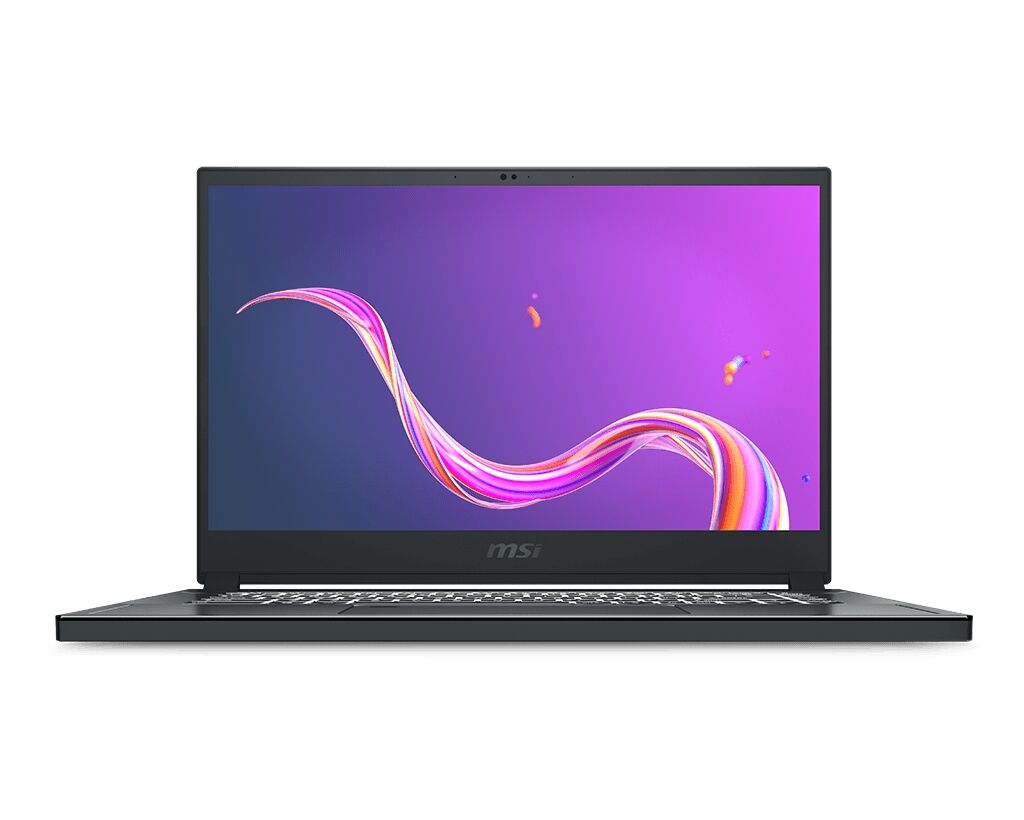
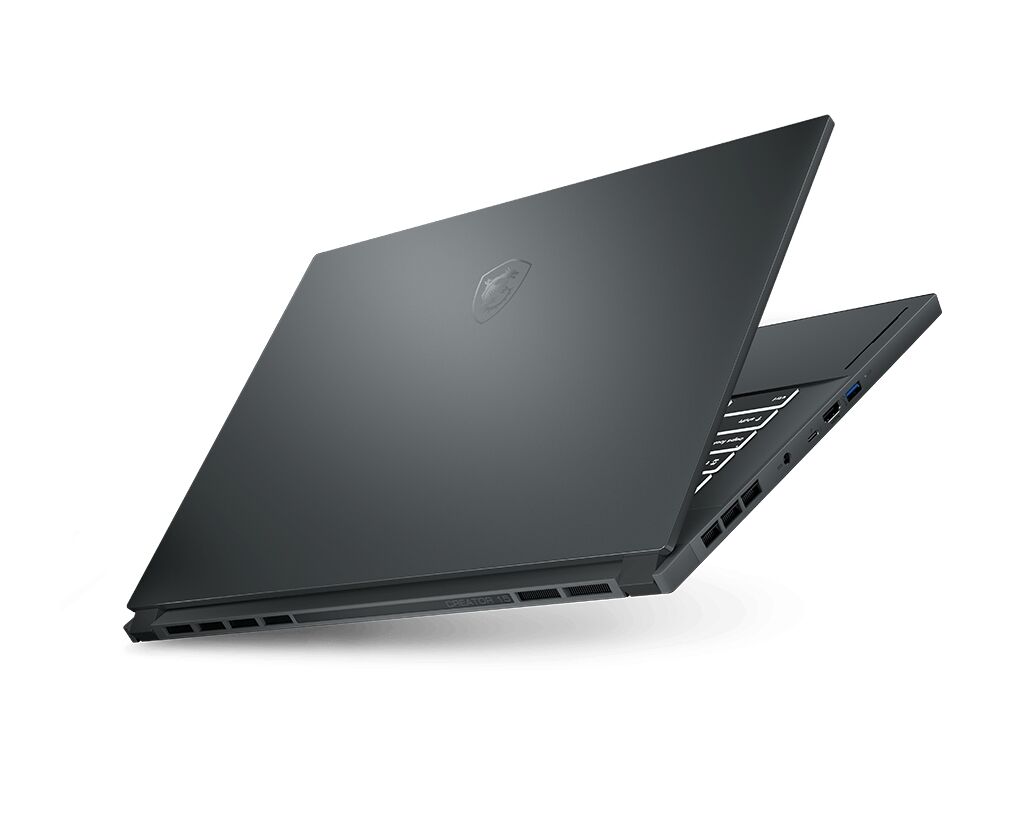
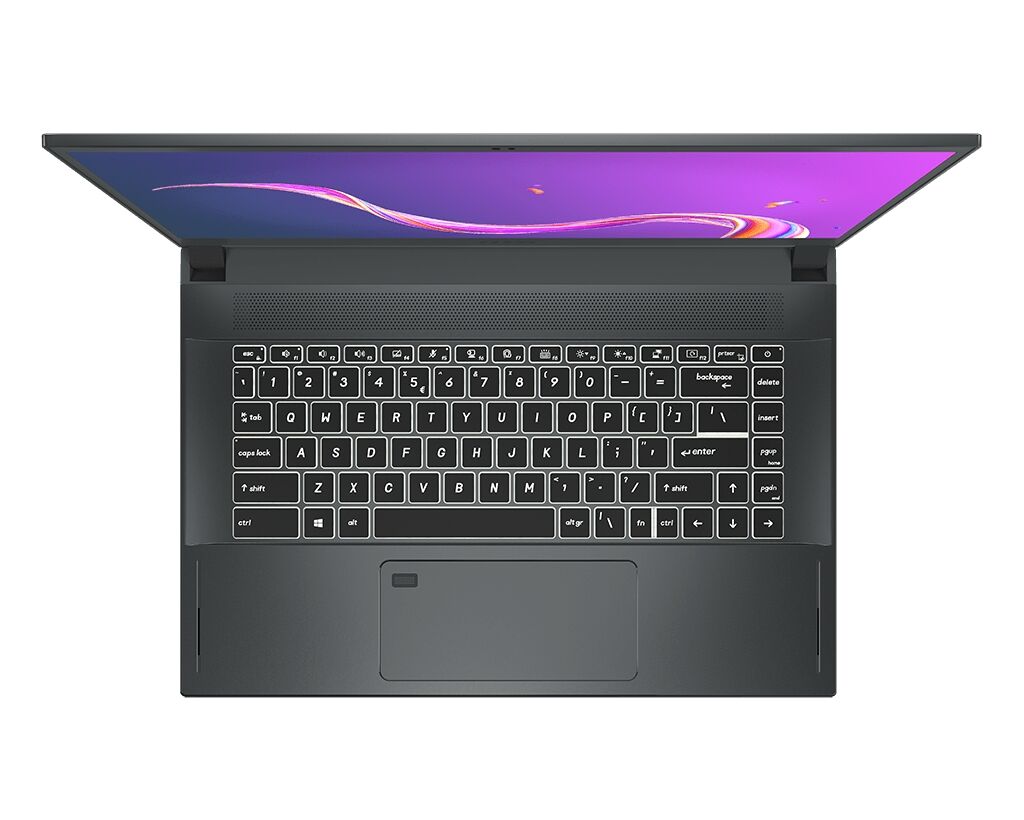
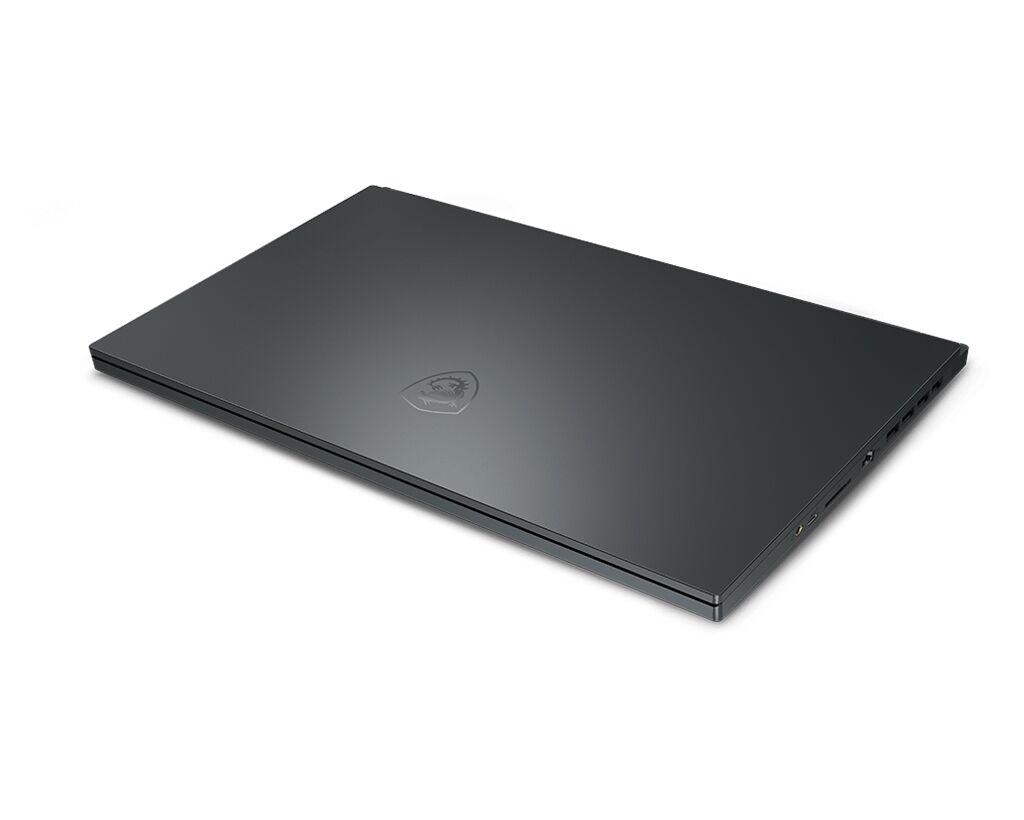
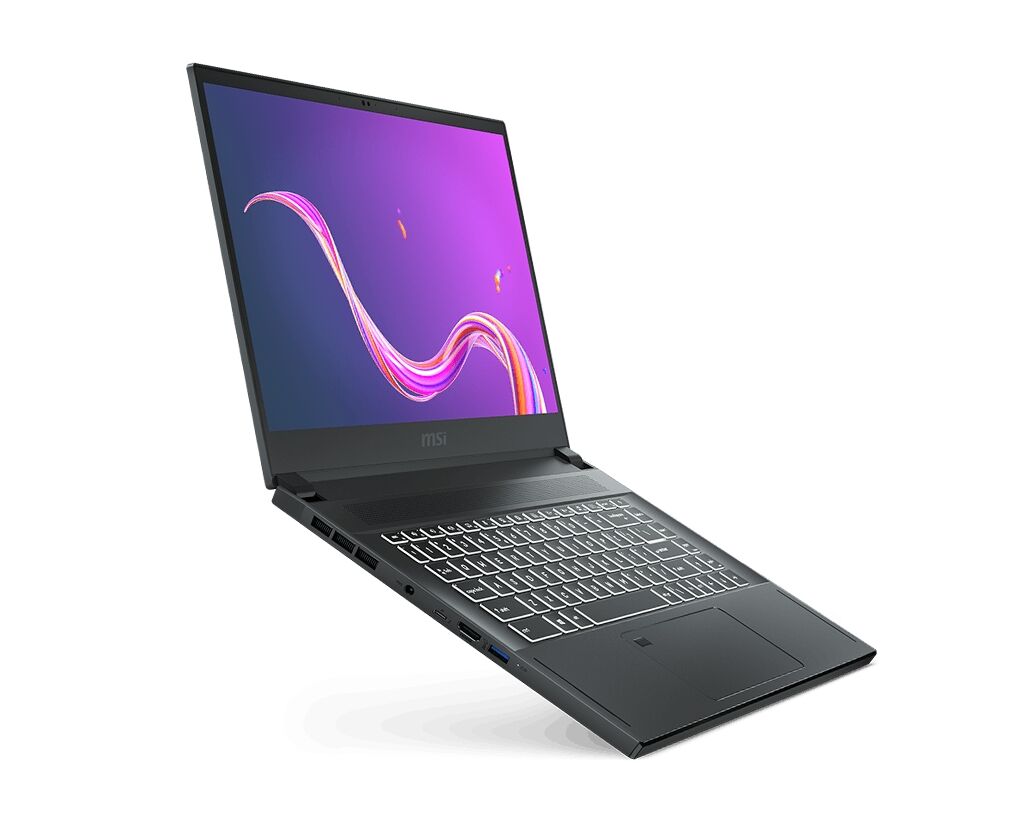
The MSI Creator 15 A10SGS-049FR laptop features DDR4-SDRAM memory with two SO-DIMM slots supporting maximum RAM capacity of 64 GB. Memory upgrade specifications indicate compatible DDR4 modules operating at 2666 MHz frequency. The SO-DIMM form factor accommodates standard laptop memory upgrades for this MSI Creator series model. Maximum expandable capacity reaches 64 GB with dual memory slot configuration.
Memory Upgrade Specifications
| Specification | Value |
|---|---|
| Memory slots | 2x SO-DIMM |
| Form factor | SO-DIMM |
| Memory type | DDR4-SDRAM |
| Frequency | 2666 MHz |
| Maximum RAM | 64 GB |
| Voltage | 1.2V |
| Number of pins | 260-pin |
| Interface | PC4 |
| PC Speed Rating | PC4-2666 (PC4-21328) |
| Bandwidth | 21.3 GB/s |
| Laptop Release date | 13 October 2020 |
Additional Notes
- The MSI Creator A10SGS-049FR contains 2 SO-DIMM slots, limiting simultaneous memory modules to 2 units regardless of capacity requirements. Expansion beyond the native configuration requires removal and replacement of existing modules rather than additive installation.
- DDR4-2666 MHz represents an older memory standard relative to current generation laptops. Third-party RAM compatibility verification against the manufacturer's approved memory list is essential, as not all DDR4 SO-DIMM modules operate reliably at this specific frequency on this platform.
- The 64 GB maximum capacity ceiling means configurations above this threshold are impossible; splitting storage between this machine and secondary devices becomes necessary for workloads exceeding this allocation.
- SO-DIMM form factor restricts upgrades to laptop-specific memory modules. Desktop DDR4 DIMM modules are physically incompatible and cannot serve as alternative solutions, eliminating cost-saving sourcing options from non-laptop markets.
- Achieving the 64 GB maximum requires 2x 32 GB modules. Supply and pricing availability for 32 GB SO-DIMM units varies regionally and by vendor; 16 GB modules present more accessible intermediate upgrade steps.
- Memory bandwidth saturation risk occurs under simultaneous high-throughput operations across 2 channels, as SO-DIMM configurations provide lower aggregate bandwidth than desktop equivalents. Video editing or 3D rendering workloads may experience latency bottlenecks despite sufficient total capacity.