MSI Creator A10SFS-021FR RAM upgrade specifications



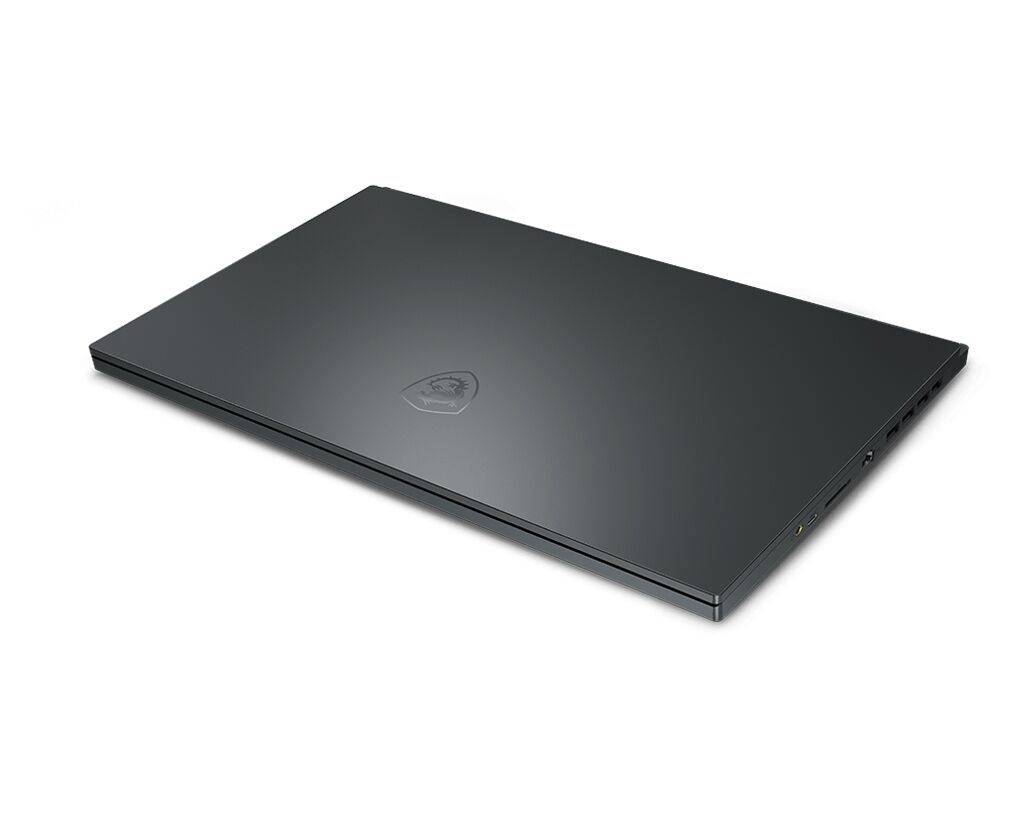

MSI Creator 15 A10SFS-021FR laptop supports DDR4-SDRAM memory upgrades with 2x SO-DIMM slots. Maximum capacity reaches 64 GB total RAM. Compatible memory modules feature SO-DIMM form factor operating at 2666 MHz frequency. Specifications enable memory expansion from factory configuration to full 64 GB upgrade capacity. DDR4-SDRAM technology provides standard laptop memory compatibility for A10SFS-021FR series model.
Memory Upgrade Specifications
| Specification | Value |
|---|---|
| Memory slots | 2x SO-DIMM |
| Form factor | SO-DIMM |
| Memory type | DDR4-SDRAM |
| Frequency | 2666 MHz |
| Maximum RAM | 64 GB |
| Voltage | 1.2V |
| Number of pins | 260-pin |
| Interface | PC4 |
| PC Speed Rating | PC4-2666 (PC4-21328) |
| Bandwidth | 21.3 GB/s |
| Laptop Release date | 13 October 2020 |
Additional Notes
- The MSI Creator A10SFS-021FR operates with DDR4 memory at 2666 MHz, which represents the upper frequency tier for mobile DDR4 standard. Aftermarket modules exceeding this speed will downclock to 2666 MHz due to JEDEC standard compatibility constraints on the platform.
- Only 2 SO-DIMM slots accommodate the 64 GB ceiling, requiring each module to be 32 GB capacity. This constraint eliminates staged upgrade paths; the unit cannot reach maximum capacity through incremental additions without complete module replacement.
- DDR4-SDRAM bandwidth at 2666 MHz delivers approximately 21.3 GB/s per channel. Bottleneck risk exists in content creation workflows involving large file transfers, particularly when paired with external Thunderbolt or USB-C expansion enclosures operating at equivalent or higher bandwidth ceilings.
- SO-DIMM form factor requires low-profile modules under 32 mm height. Standard desktop DDR4 UDIMM components will not physically seat; compatibility is restricted to laptop-grade variants, limiting supplier options and potentially affecting pricing parity against full-size alternatives.
- The 2-slot architecture creates single-channel vulnerability. If one module fails, the system reverts to mono-channel operation rather than degraded dual-channel, reducing effective memory throughput by 50 percent until replacement occurs.