MSI Creator A10SFT-069FR RAM upgrade specifications
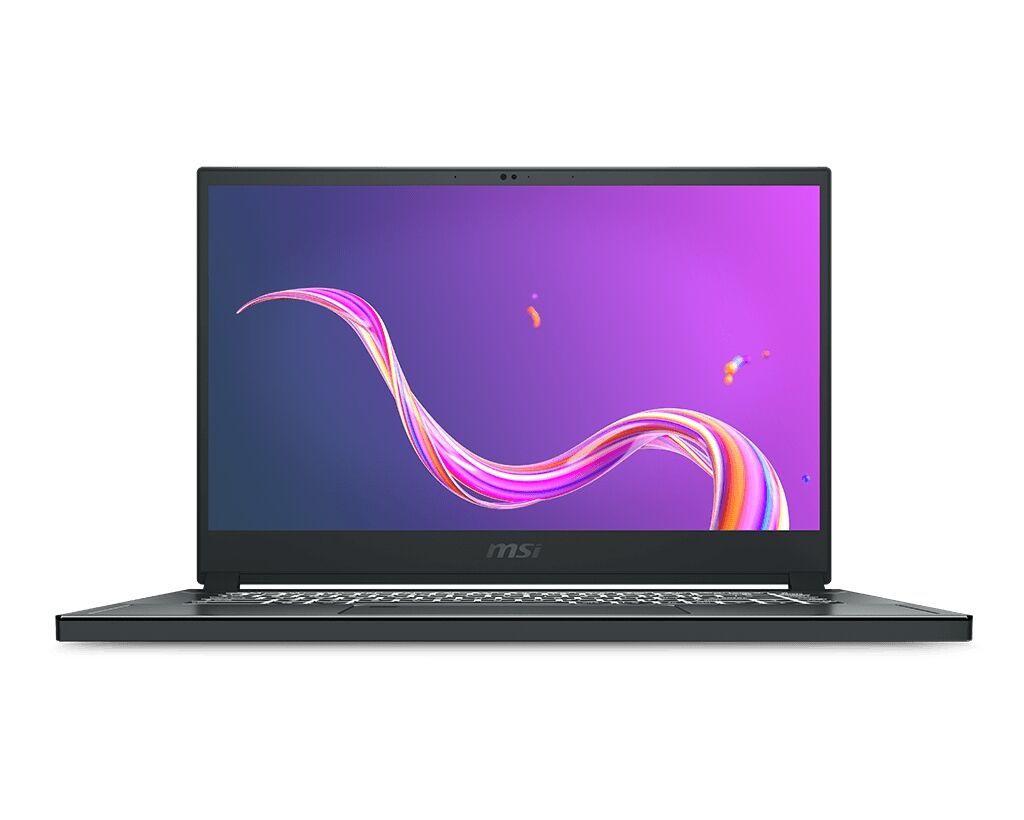
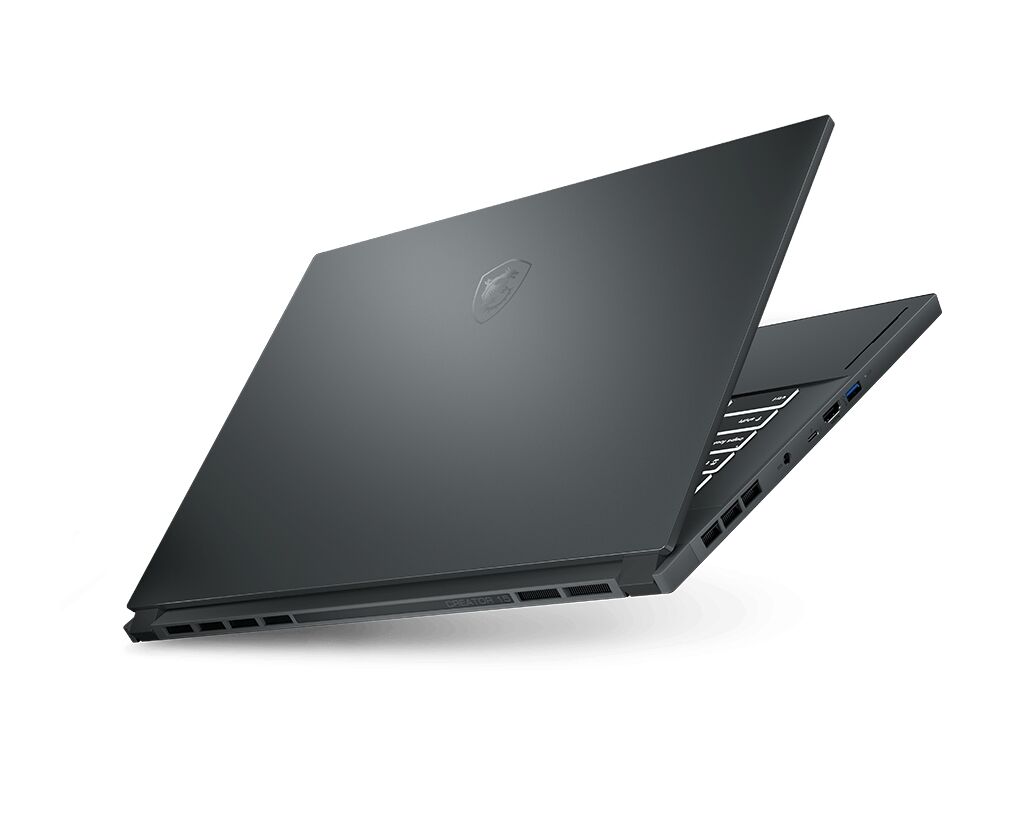
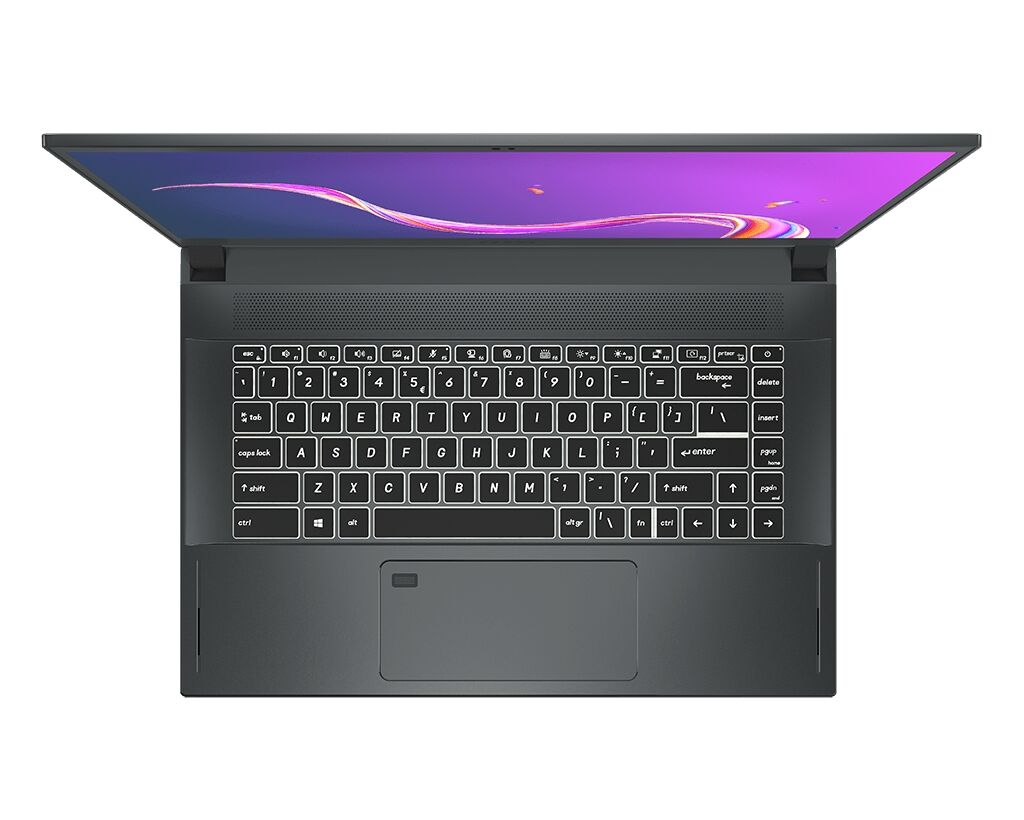
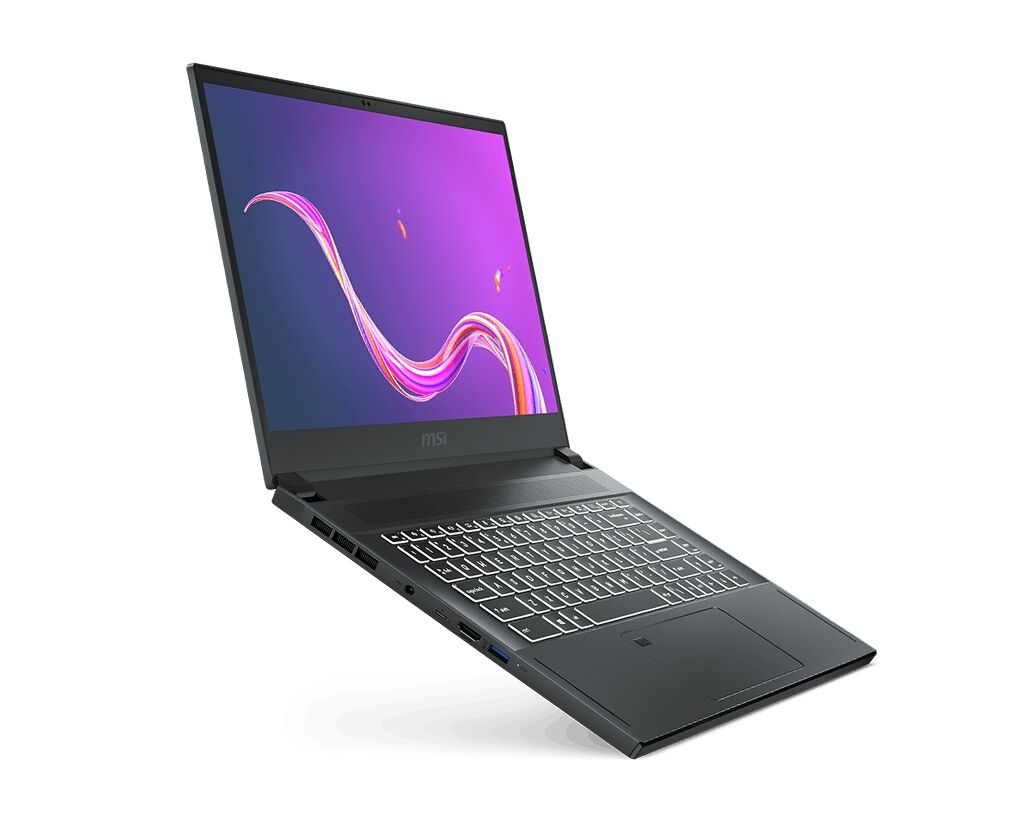
MSI Creator Series 15 model A10SFT-069FR supports DDR4-SDRAM memory upgrades with 2x SO-DIMM slots. Maximum RAM capacity reaches 64 GB total. Memory operates at 2666 MHz frequency. Compatible upgrades utilize SO-DIMM form factor specifications. Existing memory configuration can be expanded to support the maximum 64 GB capacity through dual slot configuration.
Memory Upgrade Specifications
| Specification | Value |
|---|---|
| Memory slots | 2x SO-DIMM |
| Form factor | SO-DIMM |
| Memory type | DDR4-SDRAM |
| Frequency | 2666 MHz |
| Maximum RAM | 64 GB |
| Voltage | 1.2V |
| Number of pins | 260-pin |
| Interface | PC4 |
| PC Speed Rating | PC4-2666 (PC4-21328) |
| Bandwidth | 21.3 GB/s |
| Laptop Release date | 13 October 2020 |
Additional Notes
- The MSI Creator A10SFT-069FR accepts only DDR4 SO-DIMM modules, excluding incompatibility with DDR3, DDR3L, or DDR5 standards regardless of physical form factor.
- The 2666 MHz frequency ceiling prevents utilizing higher-speed modules at their rated specifications, as faster DIMMs will downclock to match this maximum supported rate.
- Dual-channel configuration requires matched pairs for optimal memory bandwidth, though the 2 slot design limits flexibility when staging incremental capacity expansions.
- Reaching the 64 GB ceiling necessitates two 32 GB modules, eliminating intermediate upgrade paths once both slots contain lower-capacity DIMMs.
- SO-DIMM standardization restricts physical module length to approximately 67.6 mm, preventing accidental insertion of full-size DIMM modules designed for desktop systems.
- Memory controller architecture supporting 64 GB maximum indicates 16 Gbit density chips remain within validated specifications for this platform.
- Single-slot population degrades theoretical bandwidth by 50 percent compared to matched dual-channel operation, affecting memory-intensive workloads disproportionately.
- The 260-pin SO-DIMM interface maintains backward voltage compatibility within DDR4 standards, though mixing different voltage-optimized modules may force conservative power profiles.
- Thermal constraints inherent to laptop chassis design favor modules with standard height heat spreaders over overbuilt gaming-oriented DIMMs that may obstruct keyboard assembly clearance.
- Manufacturer validation typically covers JEDEC-standard timing profiles, while XMP-certified modules require BIOS support that may vary across firmware revisions.