MSI Creator 15M A10SE-802IT RAM upgrade specifications
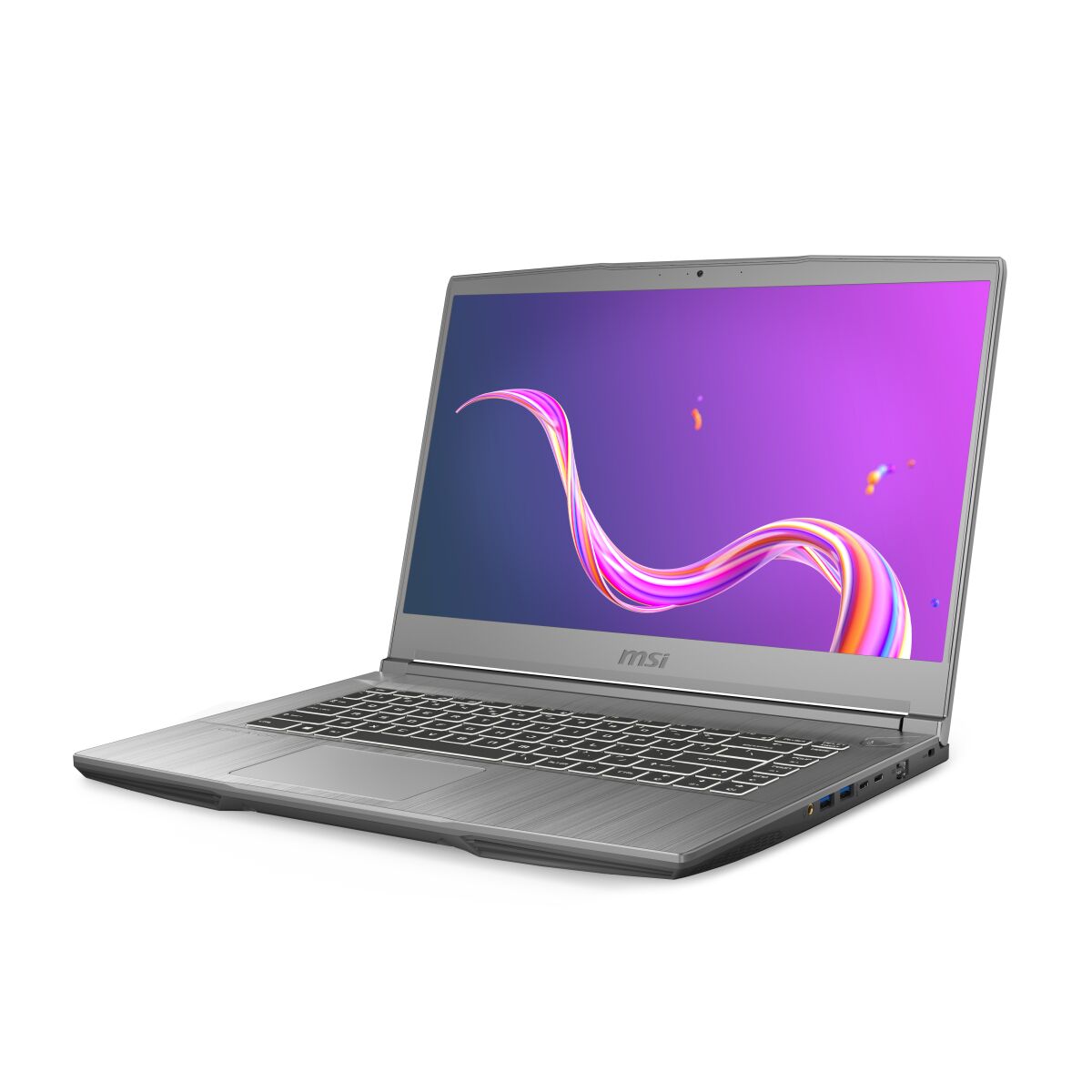


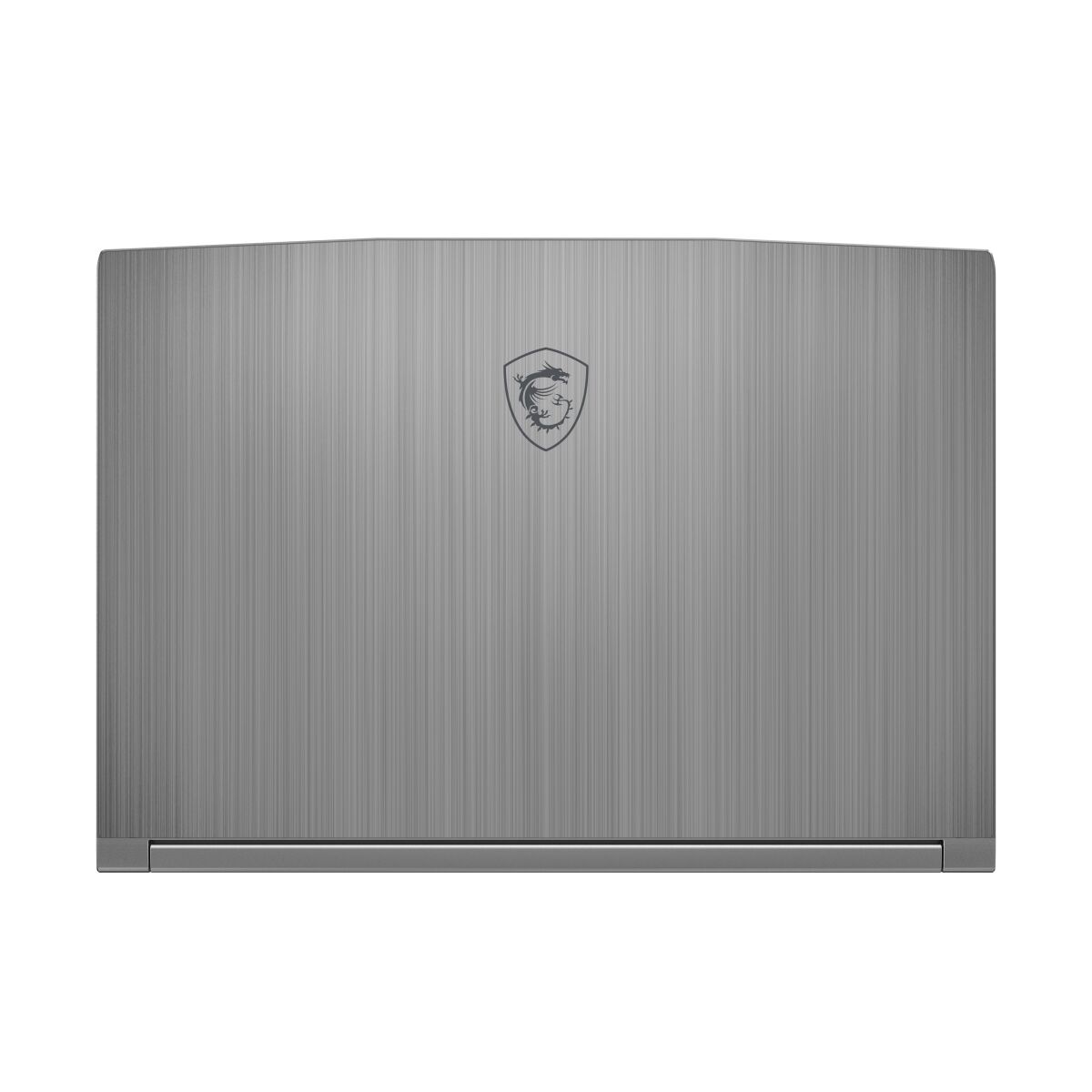
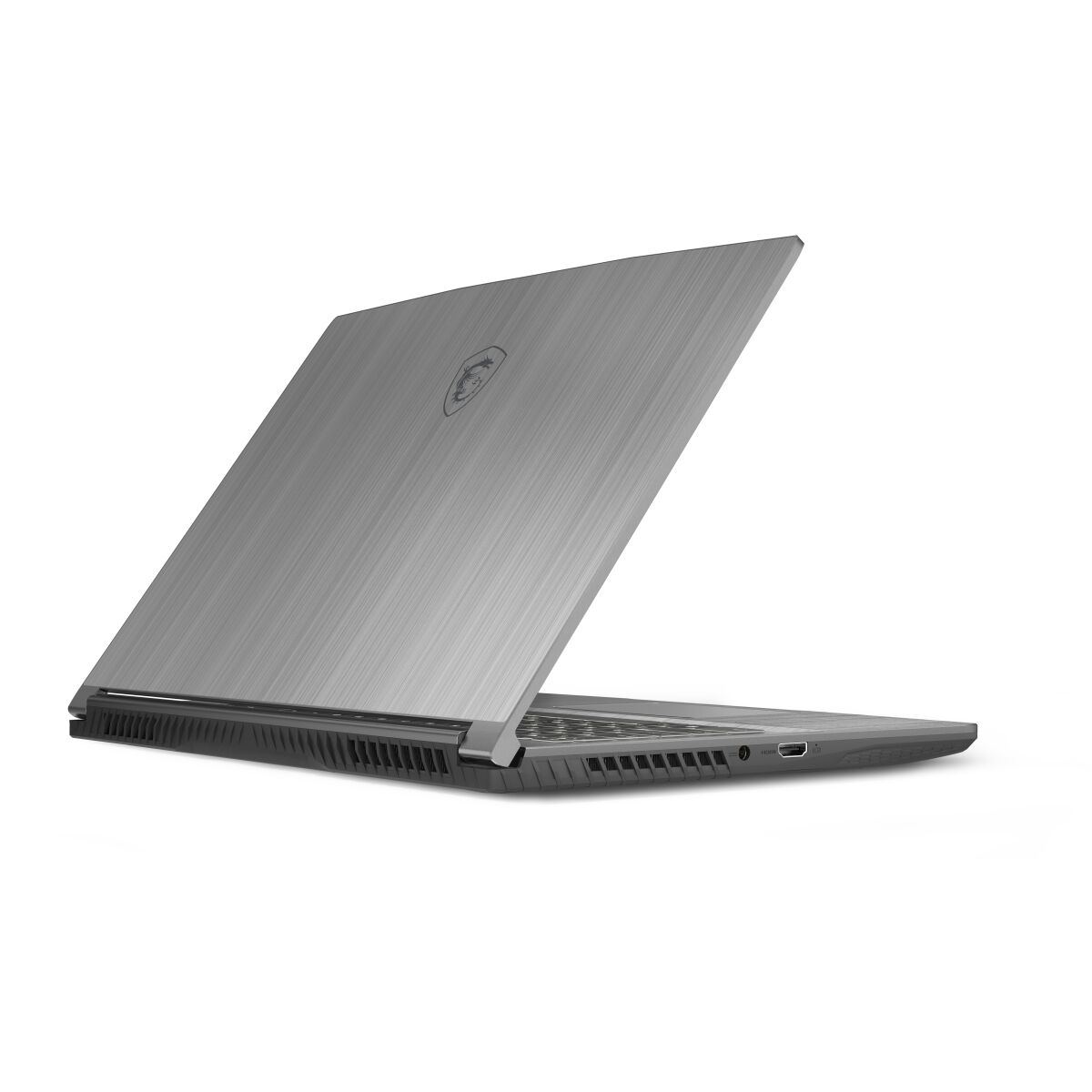
The MSI Creator 15M A10SE-802IT features DDR4-SDRAM memory upgrade specifications with two SO-DIMM slots supporting maximum RAM capacity of 64 GB. Compatible memory operates at 2666 MHz frequency. The laptop accepts SO-DIMM form factor upgrades, enabling users to expand system memory from baseline configurations to full 64 GB capacity through compatible DDR4-SDRAM modules installed in available slots.
Memory Upgrade Specifications
| Specification | Value |
|---|---|
| Memory slots | 2x SO-DIMM |
| Form factor | SO-DIMM |
| Memory type | DDR4-SDRAM |
| Frequency | 2666 MHz |
| Maximum RAM | 64 GB |
| Voltage | 1.2V |
| Number of pins | 260-pin |
| Interface | PC4 |
| PC Speed Rating | PC4-2666 (PC4-21328) |
| Bandwidth | 21.3 GB/s |
| Laptop Release date | 23 June 2020 |
Additional Notes
- The 2666 MHz frequency represents a DDR4-2666 specification, which operates at PC4-21300 in module nomenclature and delivers a theoretical maximum bandwidth of 21.3 GB/s per channel.
- The dual SO-DIMM configuration on the MSI Creator 15M A10SE-802IT enables dual-channel operation when populated with matched modules, effectively doubling the memory bandwidth to approximately 42.6 GB/s compared to single-channel operation.
- Mixing modules with different frequencies will force all installed memory to operate at the speed of the slowest module, creating a potential performance degradation if higher-speed RAM is paired with the existing 2666 MHz specification.
- The 64 GB maximum capacity indicates compatibility with 32 GB SO-DIMM modules, which typically require double-density chips and may exhibit higher latency characteristics than lower-capacity modules at identical frequencies.
- Installing a single module in either slot will result in single-channel mode operation, which can reduce integrated graphics performance by up to 50% in bandwidth-sensitive scenarios compared to dual-channel configuration.
- The SO-DIMM form factor measures 67.6 mm in length versus standard DIMM at 133.35 mm, making desktop memory physically incompatible regardless of electrical specifications.
- DDR4 modules operate at 1.2V nominal voltage, and mixing standard voltage modules with low-voltage variants can cause system instability or prevent POST completion.
- The absence of ECC (Error-Correcting Code) memory support in typical consumer configurations means registered or buffered SO-DIMMs will be incompatible despite matching physical dimensions.
- Upgrading beyond the factory-installed capacity may require BIOS access to enable XMP profiles if modules are rated above JEDEC standard specifications, though 2666 MHz represents a standard JEDEC speed for DDR4.
- The 10th generation Intel platform typically supports DDR4 speeds up to 2933 MHz officially, meaning modules rated at 3200 MHz or higher will downclock to chipset-supported frequencies unless overclocking is enabled.
- Memory latency (CAS latency) becomes proportionally more significant at the 2666 MHz frequency range, where CL19 modules will exhibit approximately 14.3 nanoseconds of latency versus 12 nanoseconds for CL16 modules.
- Accessing internal SO-DIMM slots requires removal of the bottom panel, and some manufacturers void warranty coverage if anti-tamper seals are broken during user-performed upgrades.