MSI Creator 15M A9SD-090IT RAM upgrade specifications
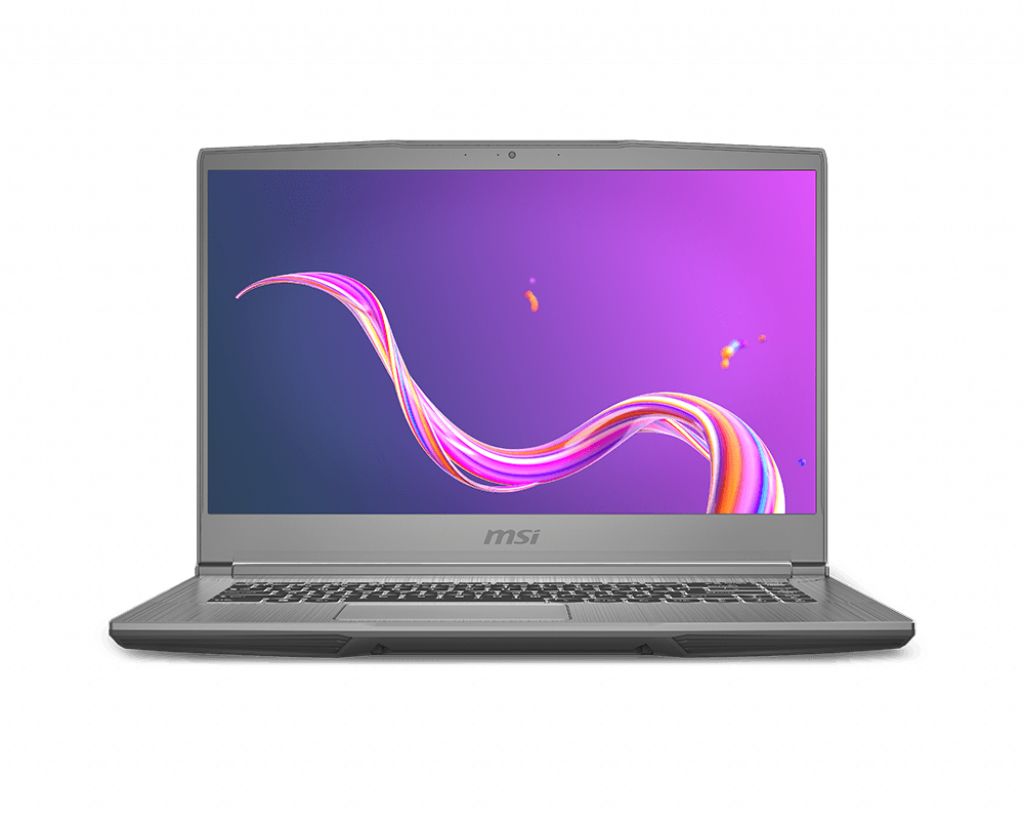
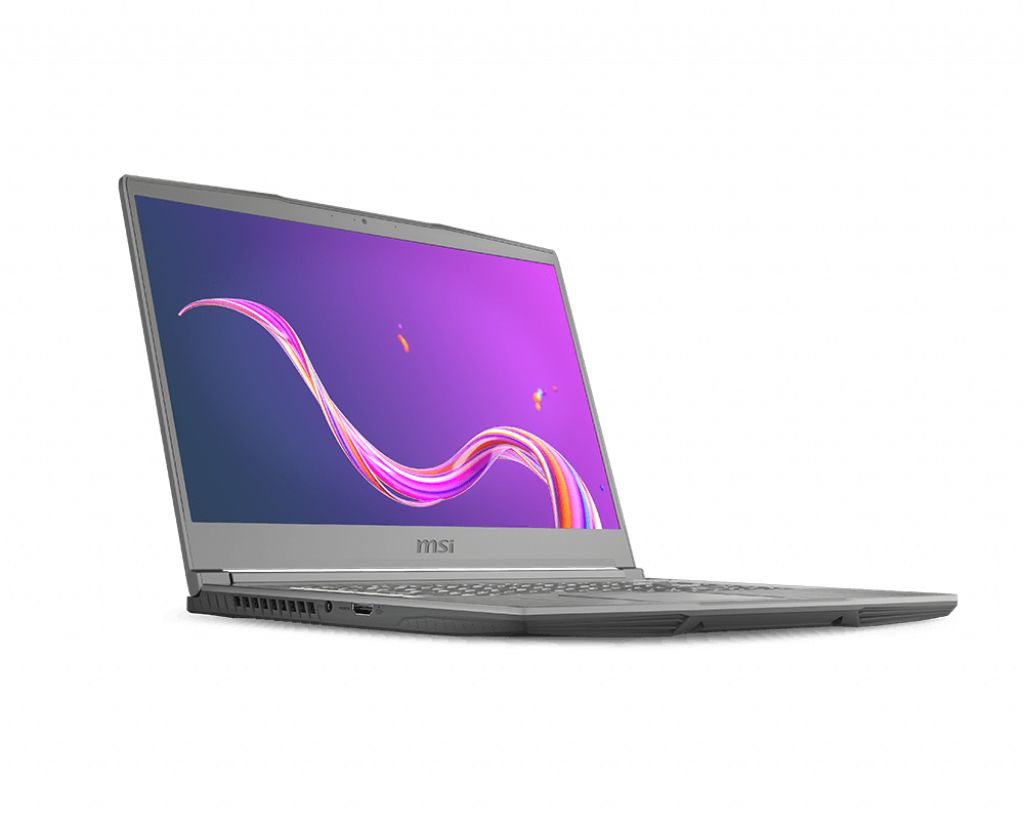

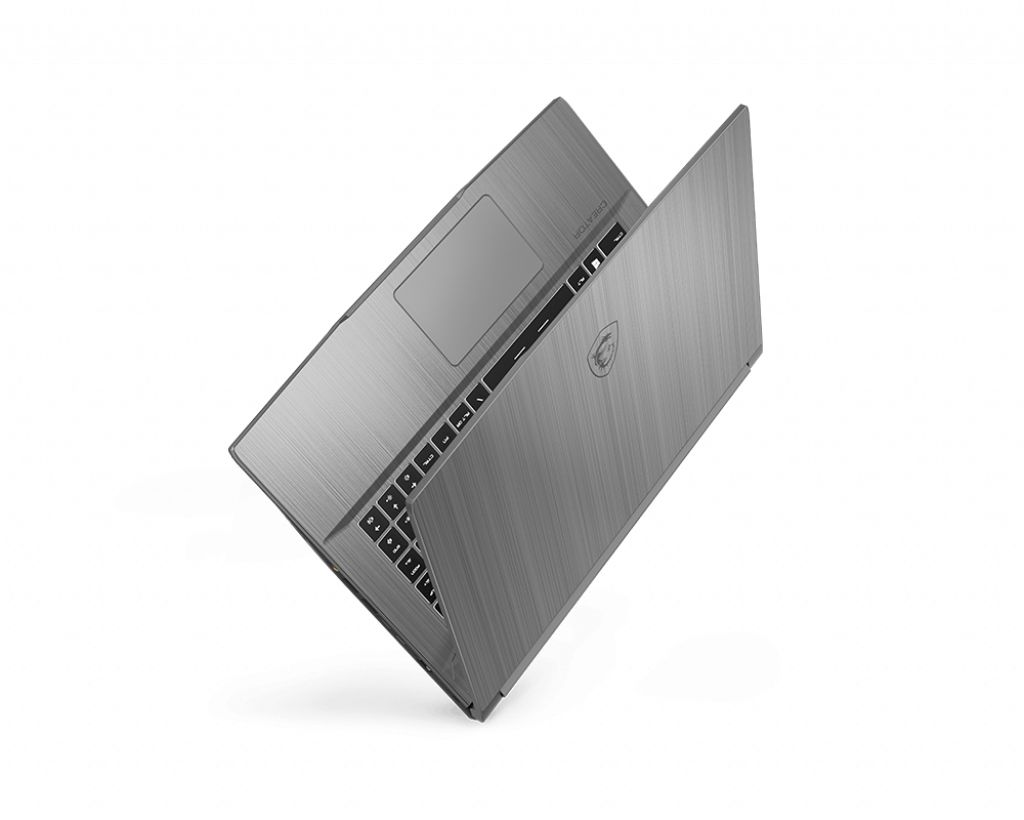
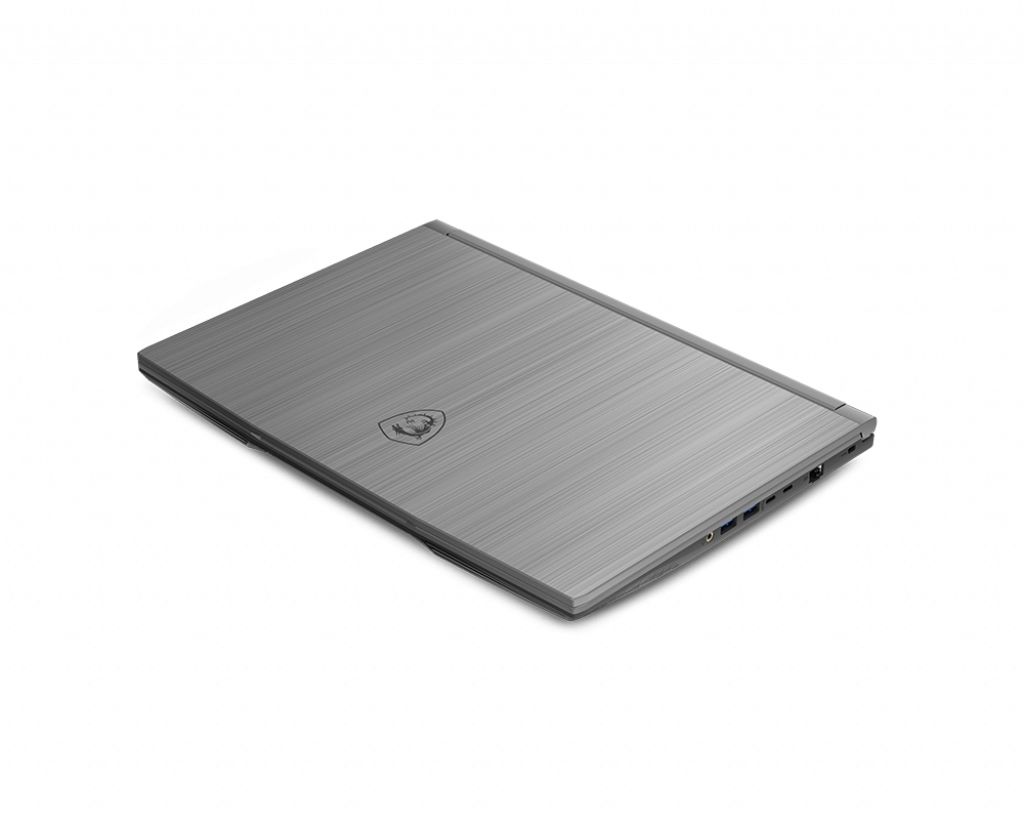
MSI Creator 15M A9SD-090IT RAM upgrade specifications include two SO-DIMM slots supporting DDR4-SDRAM memory at 2666 MHz frequency. Maximum RAM capacity reaches 64 GB total. Compatible memory modules utilize SO-DIMM form factor. Upgrade specifications enable expansion of system memory to enhance multitasking performance and application responsiveness on the MSI 15M A9SD-090IT laptop model.
Memory Upgrade Specifications
| Specification | Value |
|---|---|
| Memory slots | 2x SO-DIMM |
| Form factor | SO-DIMM |
| Memory type | DDR4-SDRAM |
| Frequency | 2666 MHz |
| Maximum RAM | 64 GB |
| Voltage | 1.2V |
| Number of pins | 260-pin |
| Interface | PC4 |
| PC Speed Rating | PC4-2666 (PC4-21328) |
| Bandwidth | 21.3 GB/s |
| Laptop Release date | 08 January 2020 |
Additional Notes
- The 2666 MHz frequency specification represents the base JEDEC standard, which indicates that higher-speed modules rated at 3200 MHz will automatically downclock to match this limitation when installed in the MSI Creator 15M A9SD-090IT.
- DDR4 SO-DIMM modules must not exceed 1.2V operating voltage to maintain compatibility with the integrated memory controller, as higher-voltage variants designed for overclocking applications can cause system instability or POST failures.
- The dual-channel configuration requires matching modules in both slots to achieve optimal memory bandwidth, while mismatched capacities will force the system into asymmetric or single-channel mode with reduced throughput.
- Access to the SO-DIMM slots typically requires bottom panel removal, which may involve breaking manufacturer seals that could affect warranty coverage depending on regional service policies.
- The 64 GB maximum capacity allows for 2x32 GB module configurations, though modules of this density require dual-rank architecture that may introduce slightly higher latency compared to single-rank alternatives at lower capacities.
- Non-ECC unbuffered modules are required, as standard consumer-grade chipsets lack support for error-correcting code memory typically reserved for workstation platforms.
- Mixed-brand installations are technically functional but may exhibit stability issues due to differing IC dies and XMP profile conflicts, particularly under sustained memory-intensive workloads.
- The DDR4 standard at this frequency presents a theoretical bandwidth ceiling of 21.3 GB/s per channel, which becomes the limiting factor for applications that exceed this transfer rate during simultaneous read-write operations.