MSI Creator 15M A9SE-035 RAM upgrade specifications



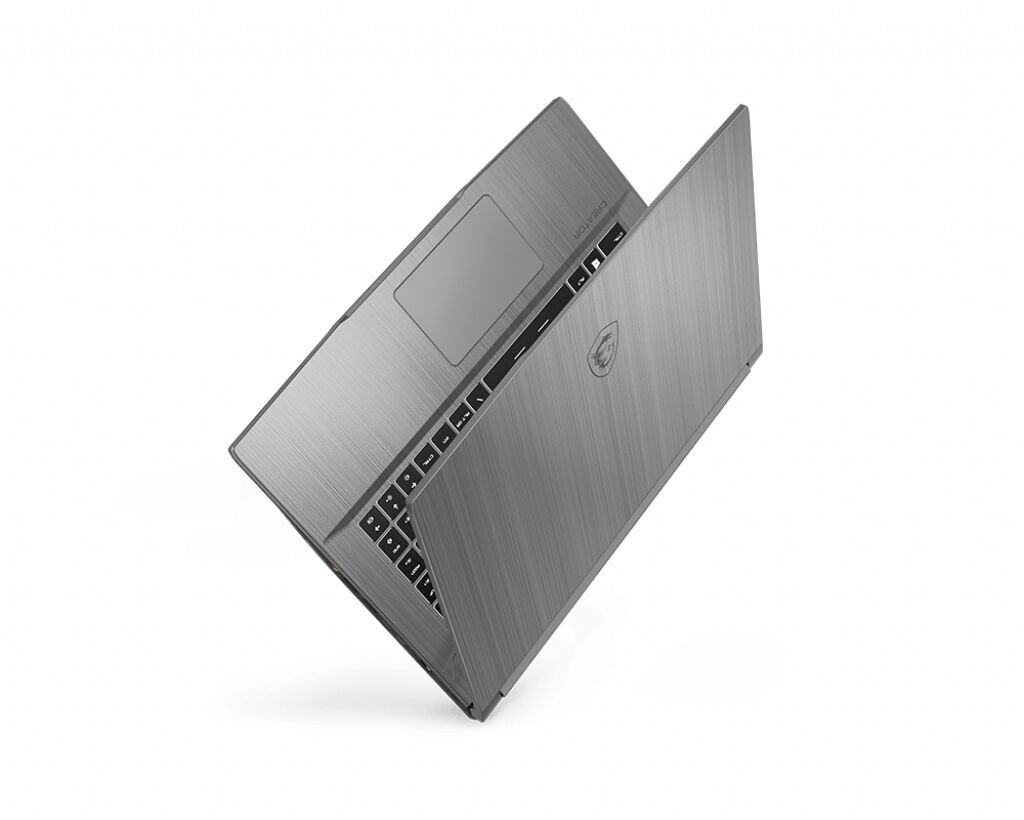
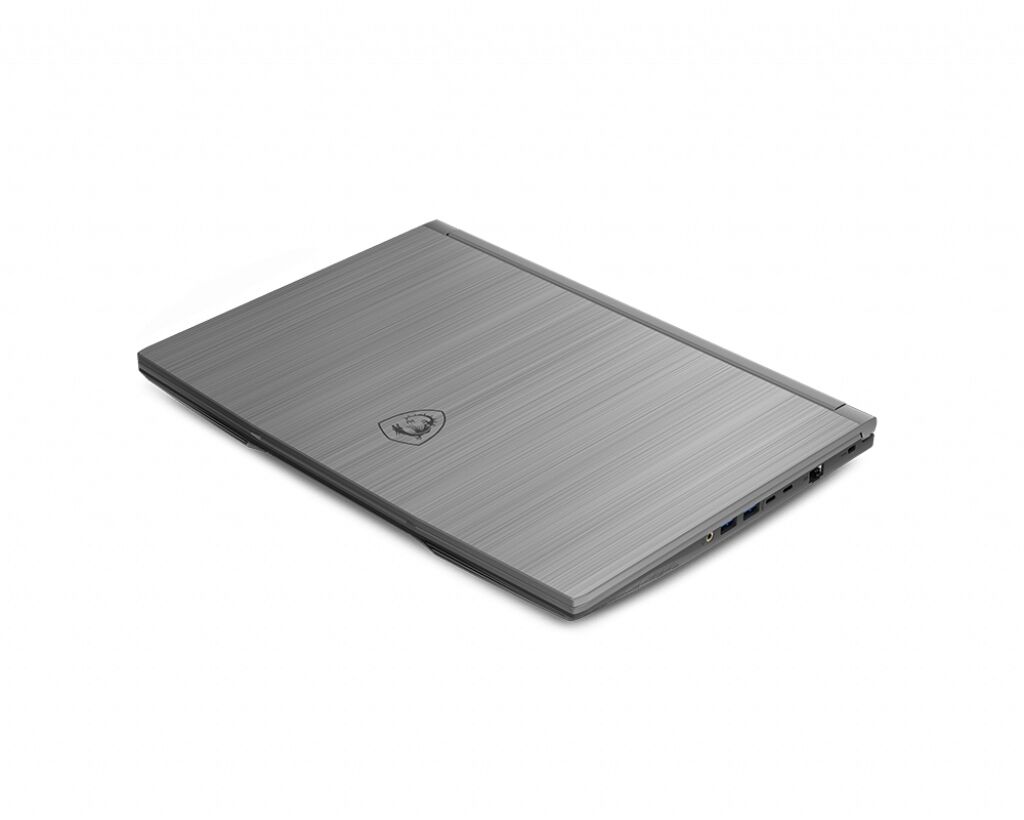
The MSI Creator 15M A9SE-035 laptop features DDR4-SDRAM memory with two SO-DIMM slots available for upgrade. The system supports maximum RAM capacity of 64 GB, with compatible memory operating at 2666 MHz frequency. The specifications indicate this model accommodates SO-DIMM form factor memory modules, allowing users to expand the laptop's memory configuration. The upgrade slots support DDR4 technology, providing compatibility parameters for memory expansion on the MSI Creator 15M series.
Memory Upgrade Specifications
| Specification | Value |
|---|---|
| Memory slots | 2x SO-DIMM |
| Form factor | SO-DIMM |
| Memory type | DDR4-SDRAM |
| Frequency | 2666 MHz |
| Maximum RAM | 64 GB |
| Voltage | 1.2V |
| Number of pins | 260-pin |
| Interface | PC4 |
| PC Speed Rating | PC4-2666 (PC4-21328) |
| Bandwidth | 21.3 GB/s |
| Laptop Release date | 15 May 2020 |
Additional Notes
- The presence of 2 physical SO-DIMM slots signifies that the MSI 15M A9SE-035 utilizes a non-soldered memory architecture, allowing for the complete replacement of factory modules to reach the maximum 64 GB threshold.
- Dual-channel bandwidth remains contingent on installing matching pairs of modules, as mismatched capacities will force the memory controller into flex mode, potentially limiting throughput during high-load rendering tasks.
- The 2666 MHz clock speed serves as a hardware ceiling, meaning that installing higher frequency modules like 3200 MHz will result in automatic downclocking to maintain stability and compatibility with the existing chipset.
- High-density 32 GB modules are required in each slot to achieve the 64 GB limit, which necessitates the use of dual-rank configurations that typically offer slightly lower latency compared to single-rank alternatives.
- Potential upgrades to the system memory require the removal of the entire lower chassis panel, which may involve breaking a factory seal depending on regional warranty policies regarding user-serviceable components.
- Maintaining a 1.2V power specification for replacement modules is necessary to ensure heat dissipation remains within the thermal design power limits of the thin-and-light chassis.