MSI Creator 15M A9SD-037 RAM upgrade specifications
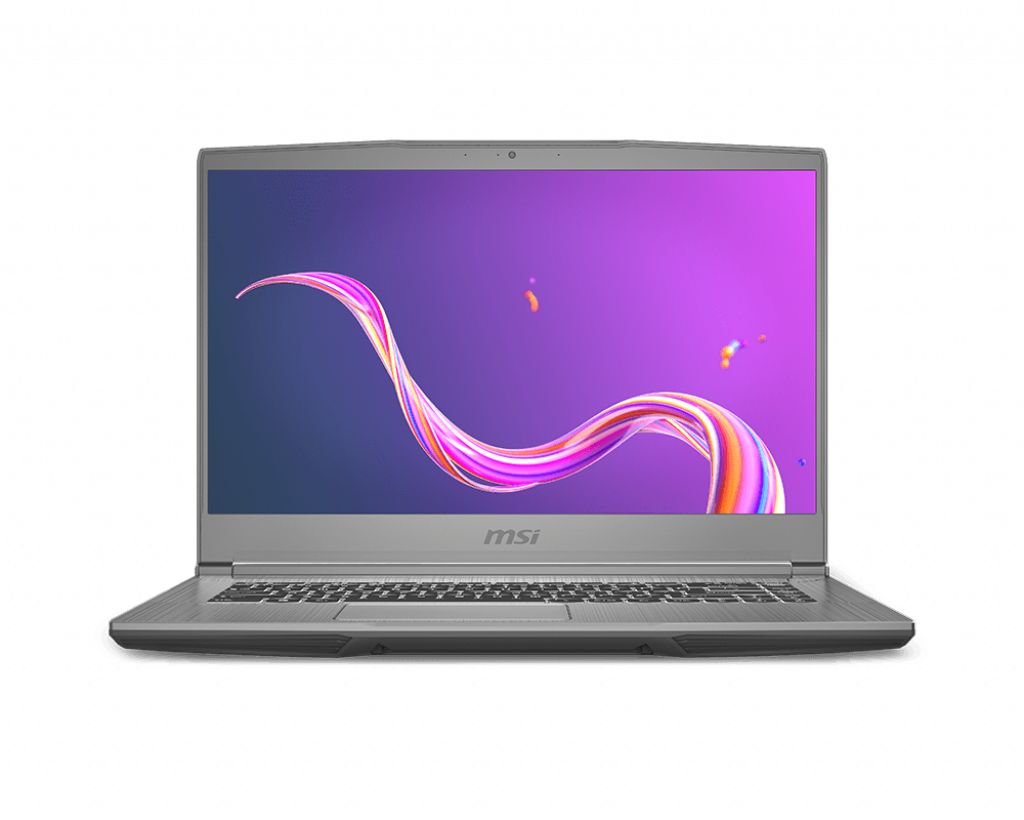
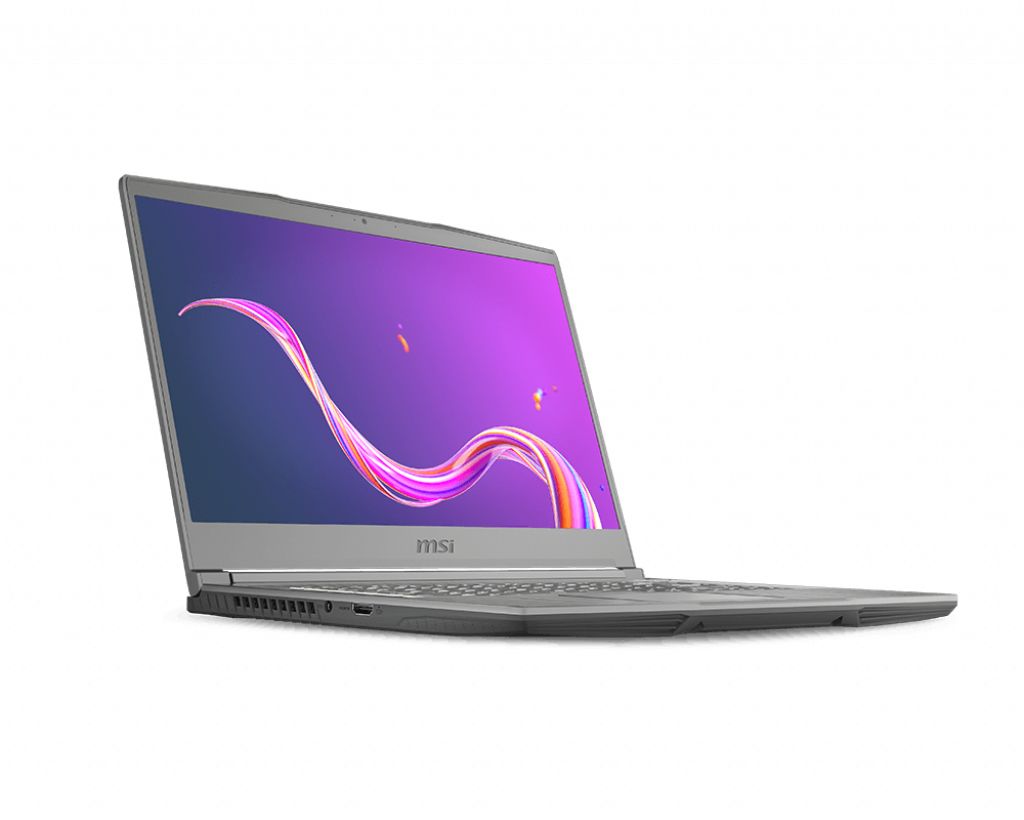
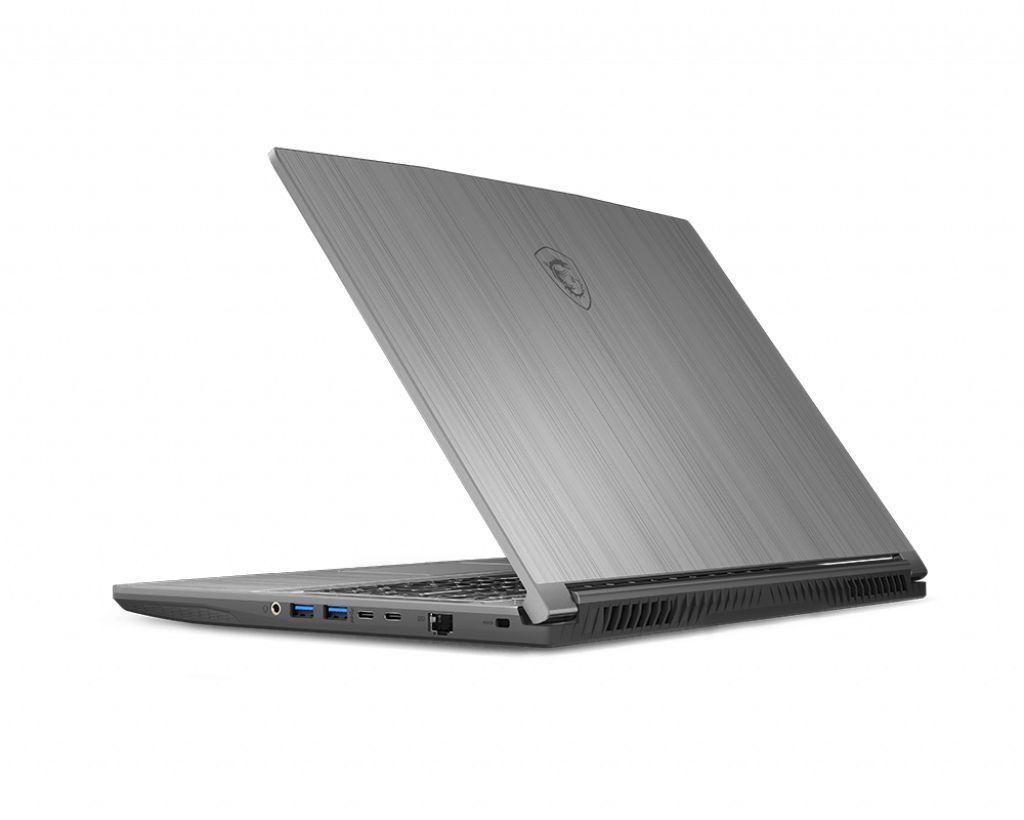
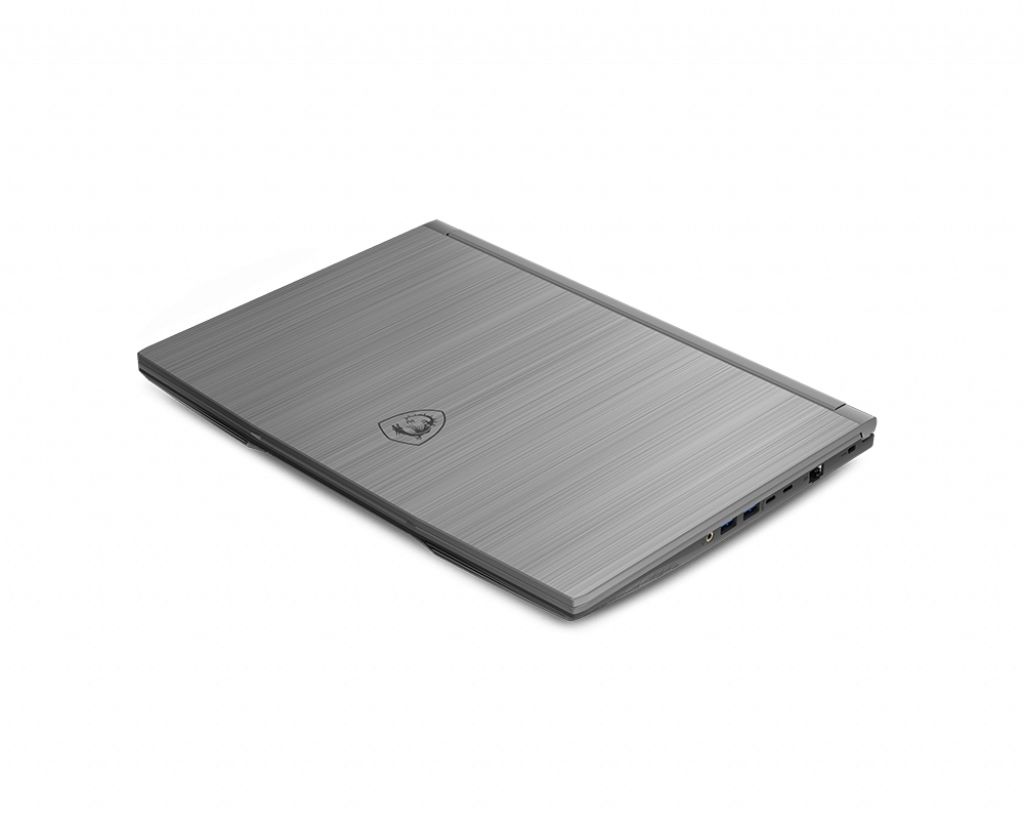
The MSI Creator 15M A9SD-037 laptop features two SO-DIMM memory slots supporting DDR4-SDRAM upgrade configurations. Maximum compatible RAM capacity reaches 64 GB total, with operating frequency of 2666 MHz. Memory specifications for this model support standard SO-DIMM form factor modules. Upgrade options accommodate expansion from baseline memory to maximum supported capacity through utilization of available slot configurations.
Memory Upgrade Specifications
| Specification | Value |
|---|---|
| Memory slots | 2x SO-DIMM |
| Form factor | SO-DIMM |
| Memory type | DDR4-SDRAM |
| Frequency | 2666 MHz |
| Maximum RAM | 64 GB |
| Voltage | 1.2V |
| Number of pins | 260-pin |
| Interface | PC4 |
| PC Speed Rating | PC4-2666 (PC4-21328) |
| Bandwidth | 21.3 GB/s |
| Laptop Release date | 16 March 2020 |
Additional Notes
- The MSI Creator 15M A9SD-037 supports DDR4-3200 modules despite native 2666 MHz specification, provided BIOS settings enable XMP/DOCP profiles for Intel or AMD platforms respectively.
- SO-DIMM slot configuration limits upgrade scalability to 64 GB total capacity, creating a ceiling incompatible with workloads requiring 128 GB or higher memory configurations common in professional rendering and simulation tasks.
- Dual-slot architecture requires simultaneous replacement of both modules to reach maximum capacity; single-module upgrades leave one slot dormant and prevent dual-channel operation benefits on the secondary DIMM.
- DDR4 supply chain maturation indicates warranty-safe sourcing for upgrade modules remains viable through 2025, though DDR5 transition means long-term replacement stock availability will decline after 2026.
- 2666 MHz baseline frequency represents performance headroom loss relative to 3200 MHz DDR4 standards, resulting in 5 to 12 percent bandwidth reduction during memory-intensive GPU acceleration workflows common in content creation applications.
- SO-DIMM form factor mandates clearance verification around keyboard deck and internal cable routing; some thermal management modifications may be necessary if heatspreader height exceeds OEM-validated specifications.