MSI Creator 17 A10SFS-231IT RAM upgrade specifications
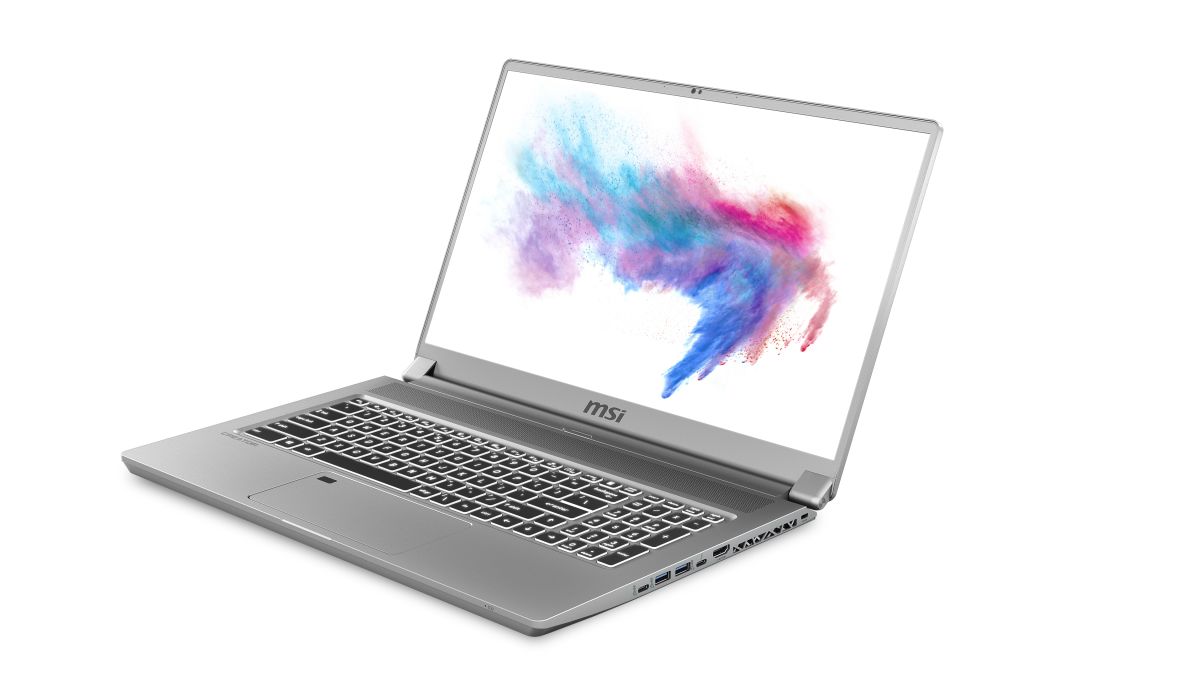
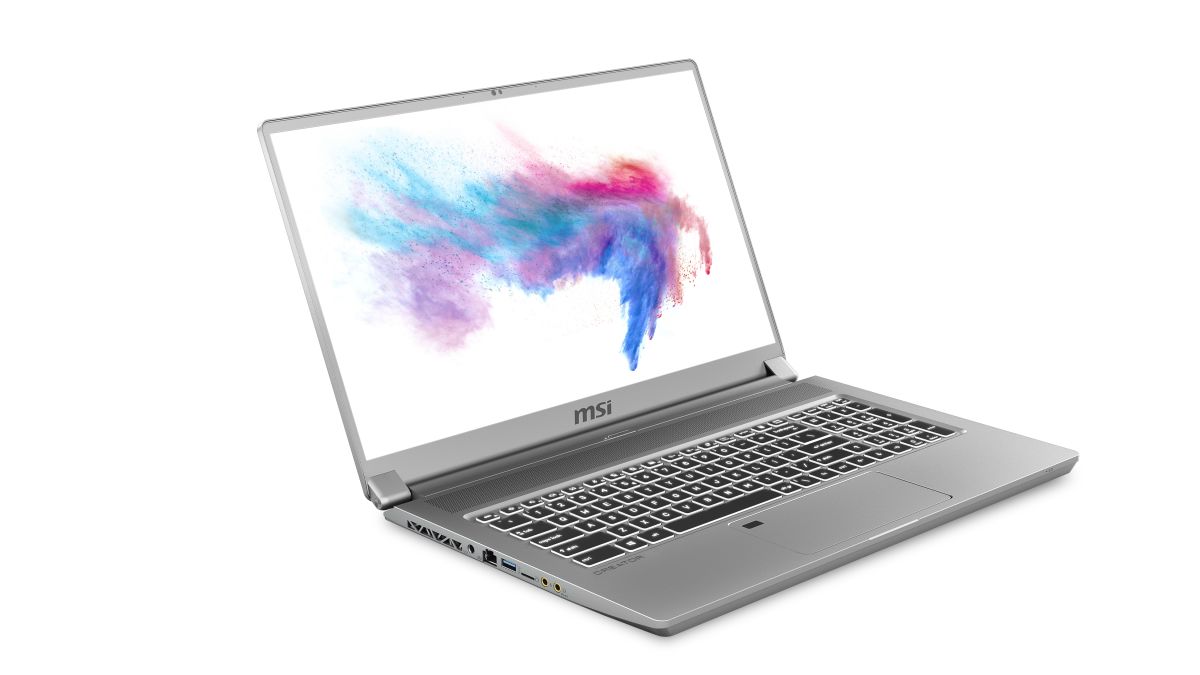

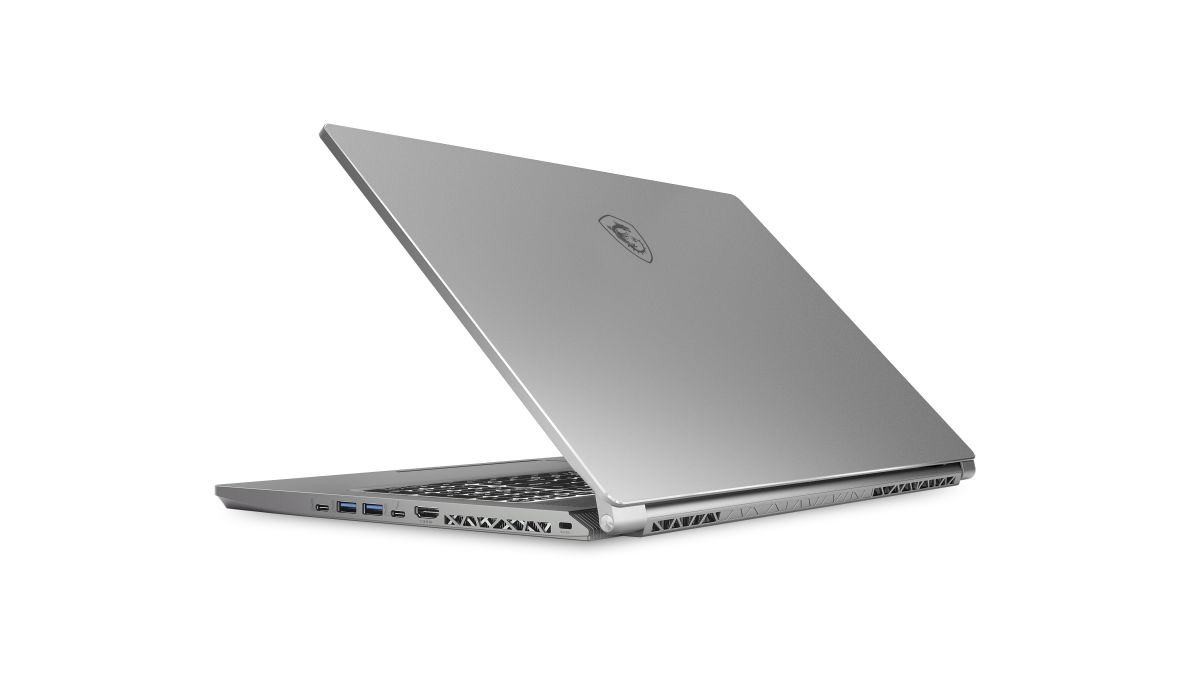
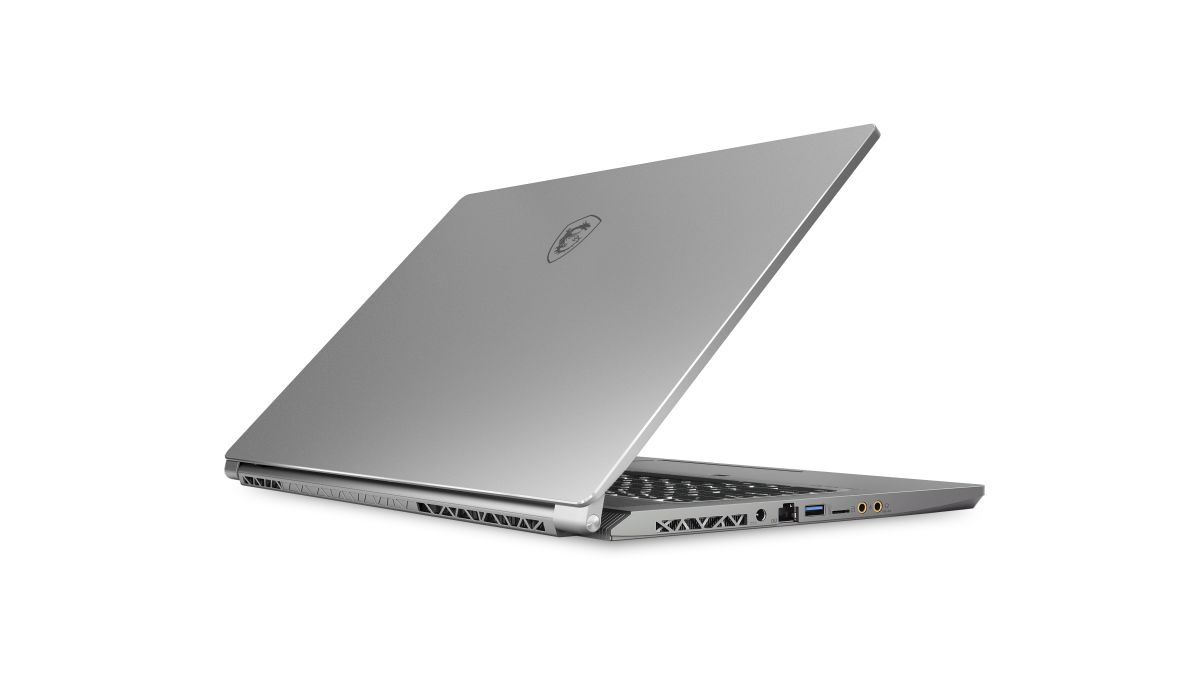
The MSI Creator 17 A10SFS-231IT laptop features DDR4-SDRAM memory upgrade specifications with two SO-DIMM slots supporting maximum capacity of 64 GB RAM. Compatible memory operates at 2666 MHz frequency. Upgrade specifications indicate SO-DIMM form factor modules are required for memory expansion on the MSI Creator series 17 model. Current slots accommodate memory upgrades to achieve maximum supported specifications.
Memory Upgrade Specifications
| Specification | Value |
|---|---|
| Memory slots | 2x SO-DIMM |
| Form factor | SO-DIMM |
| Memory type | DDR4-SDRAM |
| Frequency | 2666 MHz |
| Maximum RAM | 64 GB |
| Voltage | 1.2V |
| Number of pins | 260-pin |
| Interface | PC4 |
| PC Speed Rating | PC4-2666 (PC4-21328) |
| Bandwidth | 21.3 GB/s |
| Laptop Release date | 05 May 2020 |
Additional Notes
- The MSI Creator 17 A10SFS-231IT operates within JEDEC standard specifications, indicating stability across various DDR4 module manufacturers without requiring XMP profile activation.
- The 64 GB ceiling results from Intel 10th generation mobile platform architecture limitations rather than physical slot availability, constraining future expansion beyond 2x32 GB modules.
- Memory channels operate in dual-channel mode when identical SO-DIMM modules occupy both slots, delivering 42.6 GB/s theoretical bandwidth versus 21.3 GB/s in single-channel asymmetric configurations.
- The 2666 MHz specification represents the official supported speed, though the chipset may downclock higher-frequency modules to this baseline if installed, negating performance benefits of premium-priced RAM.
- SO-DIMM physical constraints require module height clearance verification, as certain high-density 32 GB sticks with taller heat spreaders may interfere with bottom panel reassembly.
- Voltage compatibility defaults to 1.2V standard DDR4 operation, while low-voltage 1.35V modules risk instability without BIOS support for voltage adjustment.
- CAS latency tolerances typically range between CL17 and CL19 at this frequency, with tighter timings producing measurable gains only in memory-intensive workloads like rendering or compilation tasks.
- Warranty preservation requires avoiding physical slot damage during installation, as bent contact pins constitute user-induced damage excluded from manufacturer coverage policies.
- Mixing different capacity modules across slots remains functional but forces all memory to operate at the lowest common speed and timing specifications of the slower module.
- The platform lacks support for ECC SO-DIMM modules despite physical compatibility, as error-correction functionality depends on chipset-level validation absent in consumer mobile architectures.