MSI Creator 17 A10SFS-656IT RAM upgrade specifications
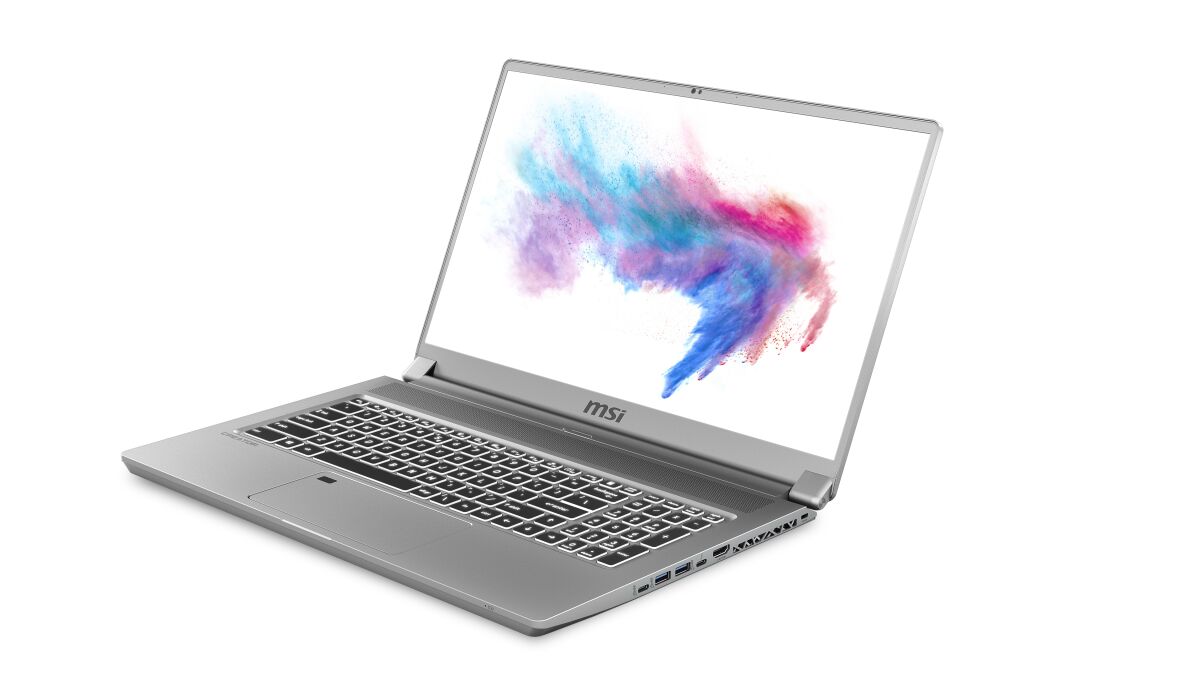
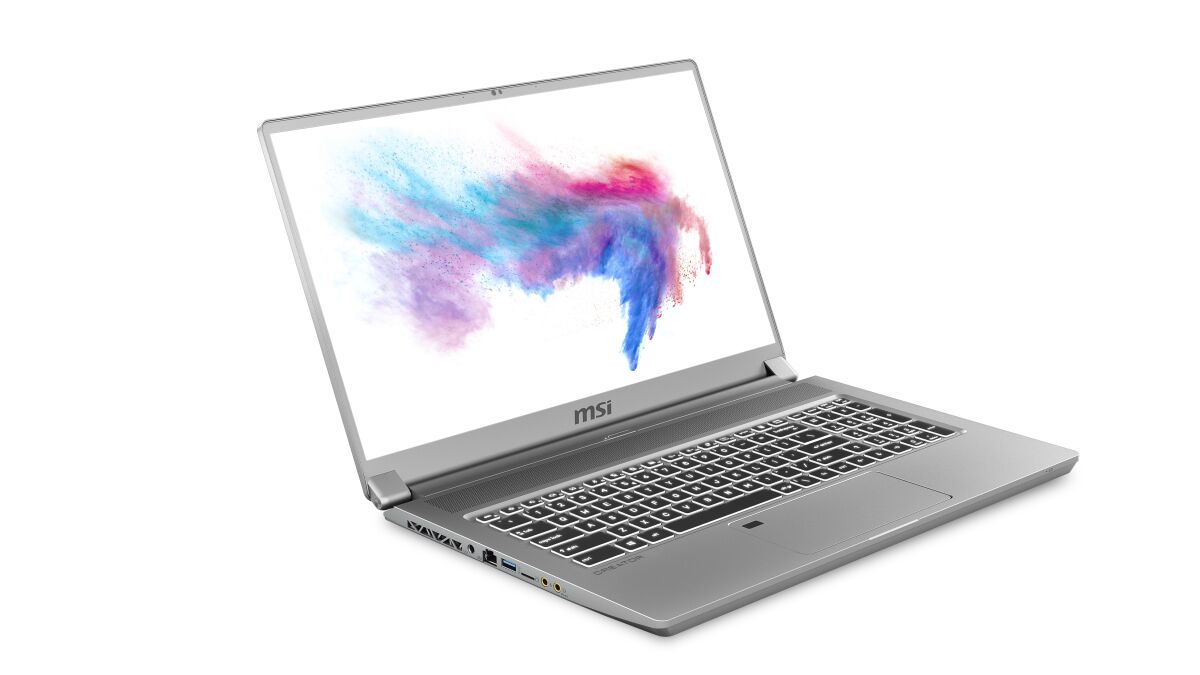
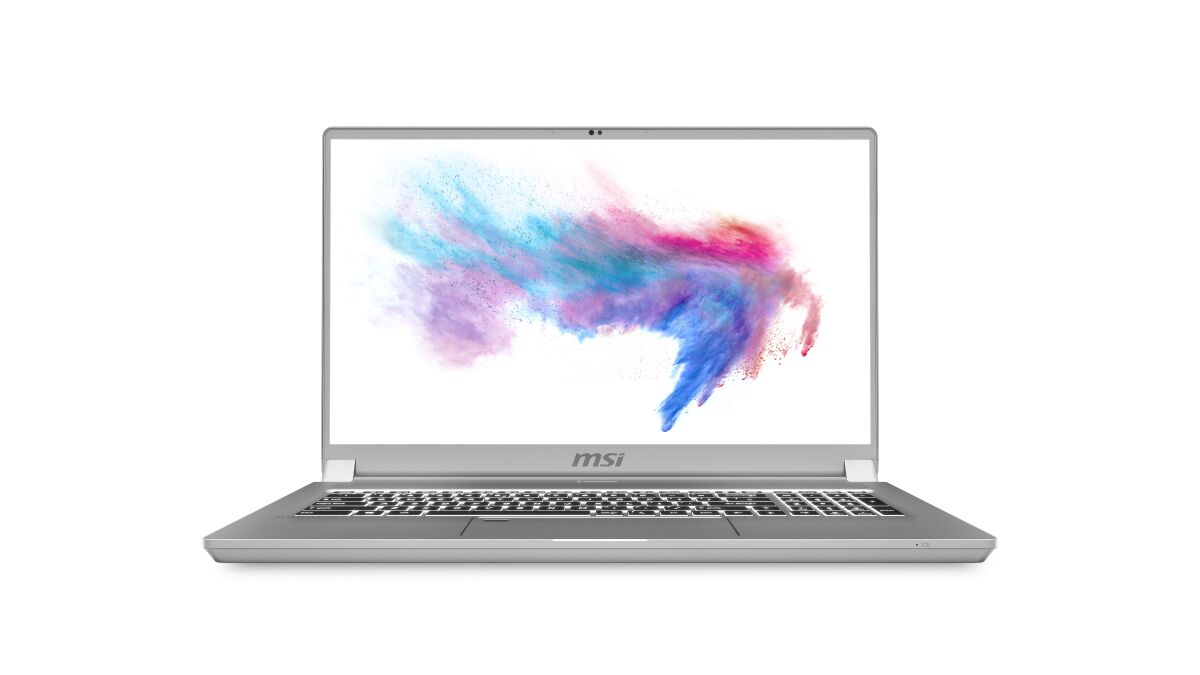
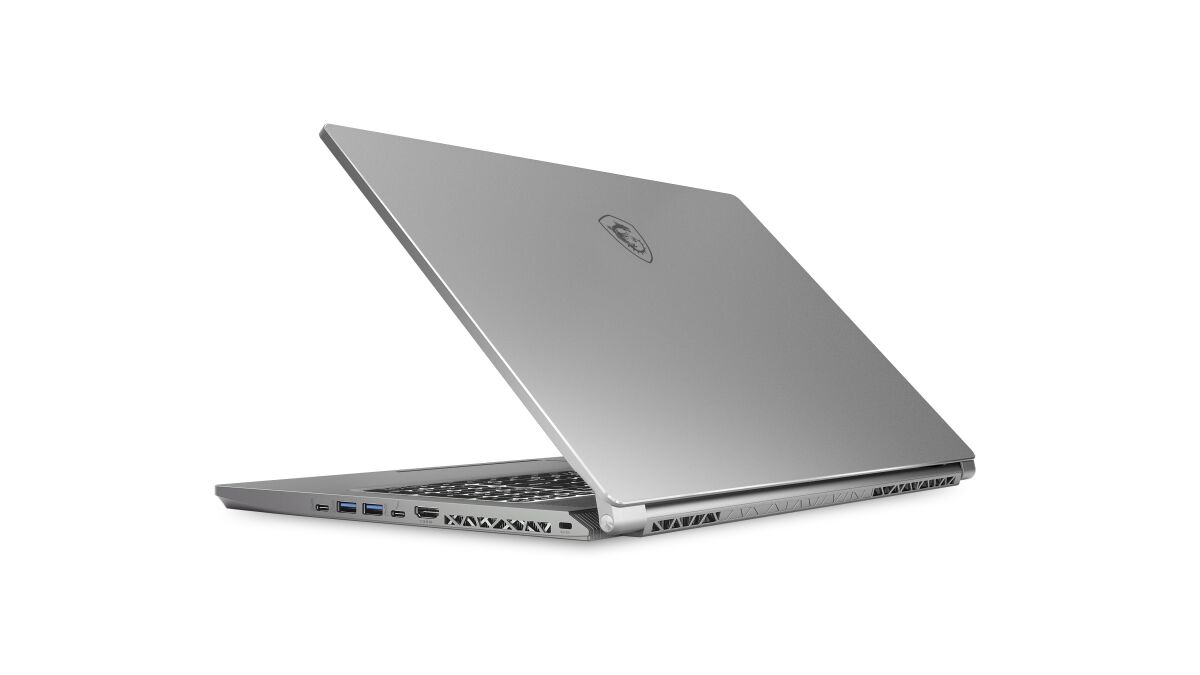
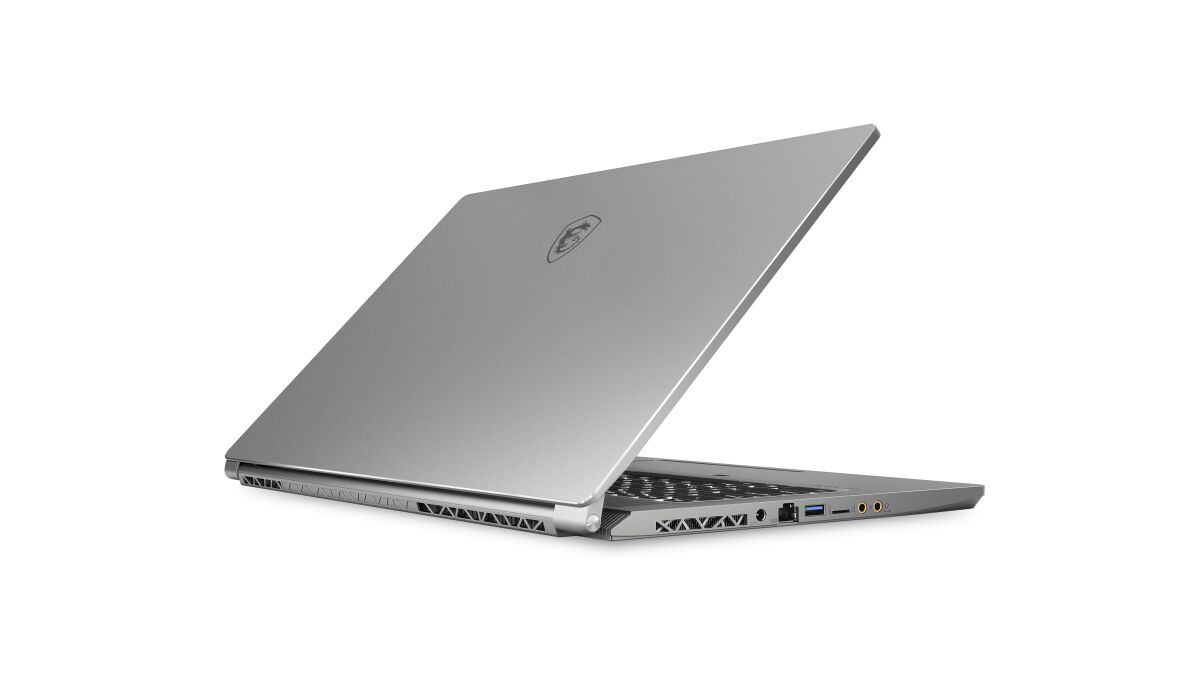
MSI Creator 17 A10SFS-656IT laptop supports memory upgrades via 2x SO-DIMM slots. Compatible RAM type is DDR4-SDRAM operating at 2666 MHz frequency. Maximum supported capacity reaches 64 GB total memory. Specifications indicate upgrade compatibility with dual-slot configuration, allowing modular RAM expansion for enhanced performance and multitasking capabilities on the Creator 17 series.
Memory Upgrade Specifications
| Specification | Value |
|---|---|
| Memory slots | 2x SO-DIMM |
| Form factor | SO-DIMM |
| Memory type | DDR4-SDRAM |
| Frequency | 2666 MHz |
| Maximum RAM | 64 GB |
| Voltage | 1.2V |
| Number of pins | 260-pin |
| Interface | PC4 |
| PC Speed Rating | PC4-2666 (PC4-21328) |
| Bandwidth | 21.3 GB/s |
| Laptop Release date | 23 June 2020 |
Additional Notes
- The MSI Creator 17 A10SFS-656IT uses standard 260-pin SO-DIMM modules, which differ physically from desktop DIMMs and cannot be interchanged between form factors.
- Both memory slots must be populated with identical capacity modules to enable dual-channel operation, which doubles theoretical memory bandwidth from 21.3 GB/s to 42.6 GB/s per channel.
- The 2666 MHz specification represents JEDEC standard DDR4-2666 timing, meaning modules rated at higher speeds will automatically downclock to this frequency regardless of their XMP profiles.
- Reaching the 64 GB maximum requires installing two 32 GB SO-DIMM modules, which utilize dual-rank architecture that may introduce minor latency penalties compared to single-rank configurations.
- The Intel 10th generation platform in this model lacks native support for DDR4 speeds beyond 2933 MHz, making any investment in higher-frequency modules technically wasteful for this specific motherboard.
- Memory voltage must remain at the JEDEC standard 1.2V, as SO-DIMM slots typically lack voltage adjustment capabilities found in desktop BIOS implementations.
- Mixing different module capacities across the two slots, such as 8 GB plus 16 GB, will force the system into asymmetric dual-channel mode with reduced performance compared to matched pairs.
- The dual-slot limitation means RAM expansion requires complete replacement of existing modules rather than simple addition, potentially rendering the original memory obsolete.
- SO-DIMM modules generate concentrated heat within the confined laptop chassis, making modules with integrated heat spreaders potentially problematic for clearance beneath the bottom panel.
- ECC SO-DIMM modules, while physically compatible, will have their error-correction features disabled on this consumer-grade chipset, offering no functional advantage over standard non-ECC memory.