MSI Creator 17 A10SFS-681FR RAM upgrade specifications

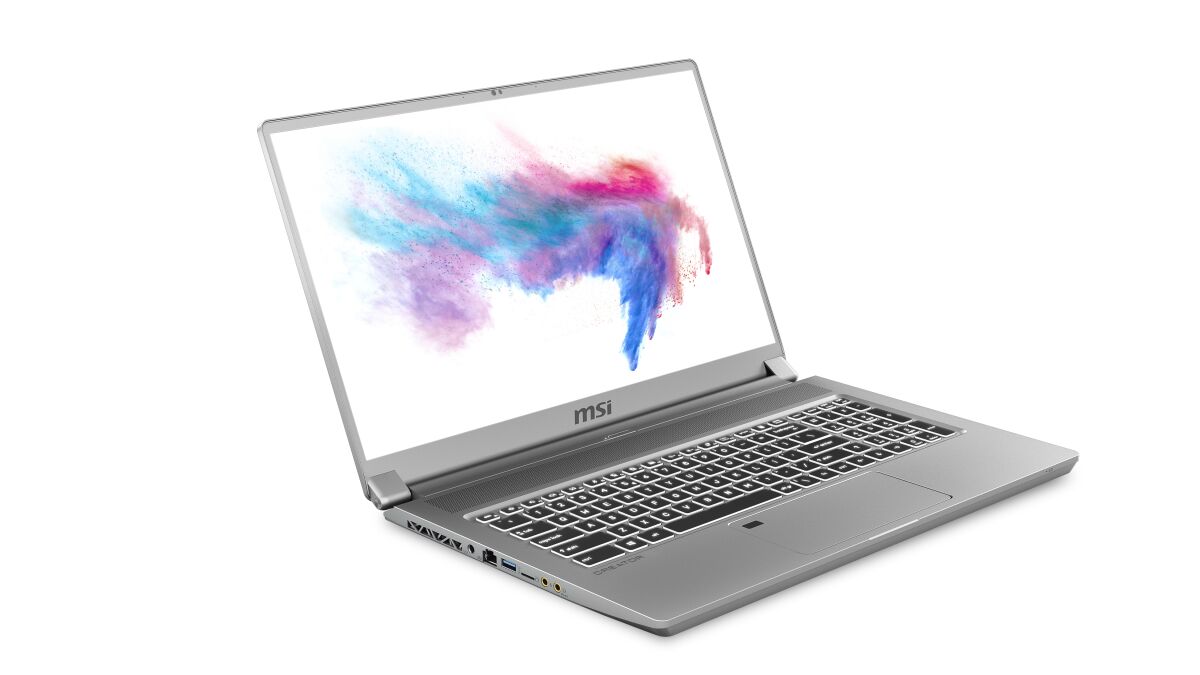

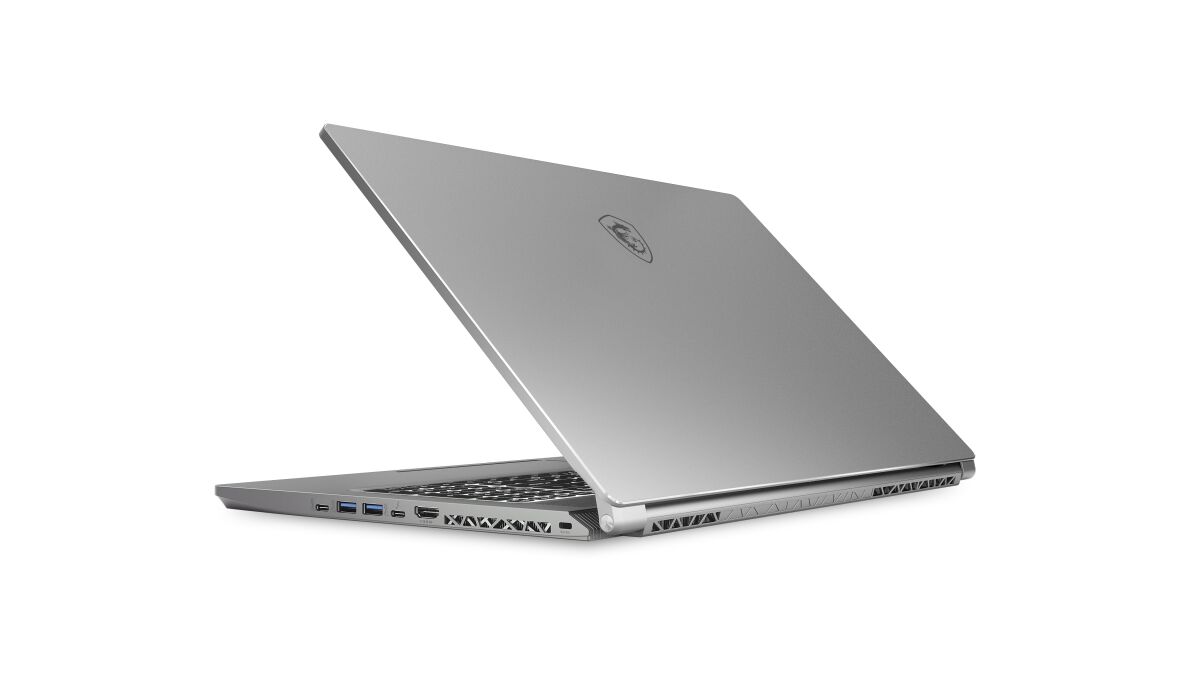
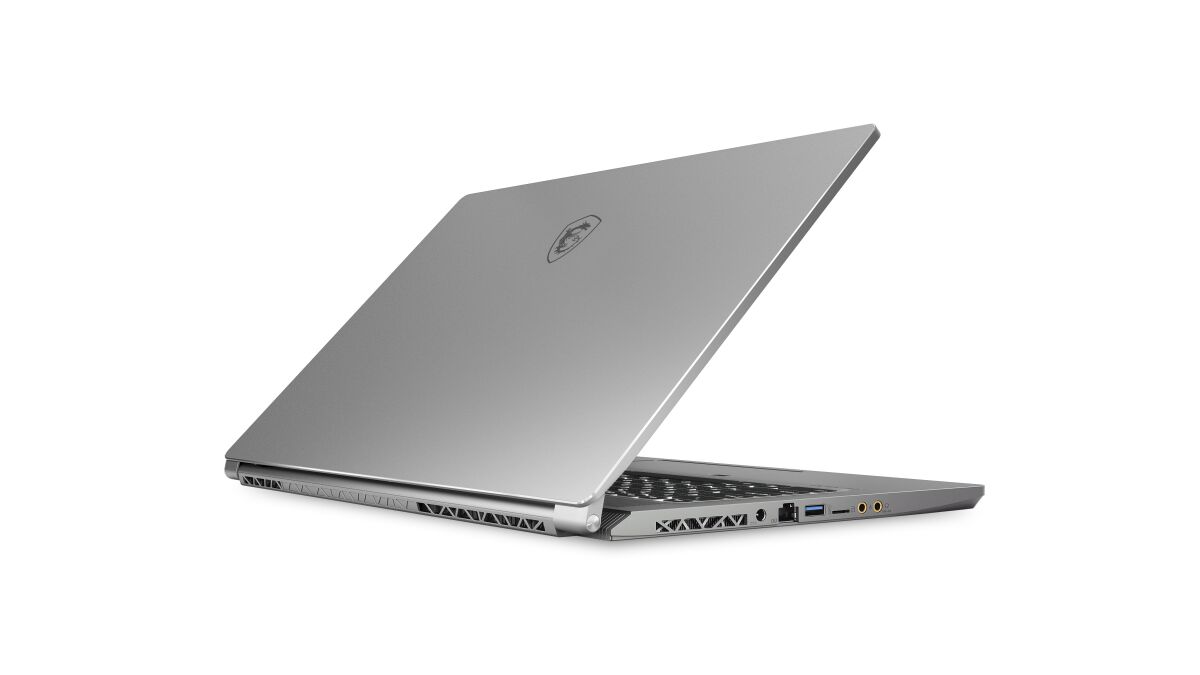
MSI Creator 17 A10SFS-681FR laptop supports DDR4-SDRAM memory upgrade through two SO-DIMM slots. Maximum RAM capacity reaches 64 GB total, with compatible memory operating at 2666 MHz frequency. Specifications enable users to upgrade from factory configuration to higher memory capacity by installing DDR4 SO-DIMM modules in available slots, supporting enhanced multitasking and performance capabilities for content creation applications.
Memory Upgrade Specifications
| Specification | Value |
|---|---|
| Memory slots | 2x SO-DIMM |
| Form factor | SO-DIMM |
| Memory type | DDR4-SDRAM |
| Frequency | 2666 MHz |
| Maximum RAM | 64 GB |
| Voltage | 1.2V |
| Number of pins | 260-pin |
| Interface | PC4 |
| PC Speed Rating | PC4-2666 (PC4-21328) |
| Bandwidth | 21.3 GB/s |
| Laptop Release date | 19 February 2021 |
Additional Notes
- The MSI Creator 17 A10SFS-681FR relies on Intel 10th generation Comet Lake architecture, which officially supports DDR4 frequencies up to 2933 MHz, potentially allowing higher-speed modules to operate above the specified 2666 MHz base frequency.
- Both memory channels must be populated with identical capacity modules to enable dual-channel mode, which doubles theoretical memory bandwidth from approximately 21 GB/s to 42 GB/s for sustained workloads.
- Installing 64 GB total capacity requires 2 modules of 32 GB each, a configuration that may exhibit slightly higher latency compared to 16 GB modules due to increased memory density and rank organization.
- SO-DIMM modules operate at 1.2V standard voltage for DDR4, preventing compatibility with older DDR3L laptop memory despite physically similar connector designs.
- The 2-slot configuration limits upgrade flexibility, as reaching maximum capacity necessitates replacing both existing modules rather than adding supplementary memory.
- Non-ECC unbuffered memory remains the only compatible option, as SO-DIMM form factor and mobile chipset architecture exclude error-correcting or registered module types.
- Modules rated at higher frequencies such as 3200 MHz will automatically downclock to 2666 MHz or the motherboard's supported maximum, wasting cost premium without performance benefit.
- Memory upgrades typically preserve manufacturer warranty when performed by end users, unlike soldered memory designs where capacity remains permanently fixed at factory configuration.
- CAS latency timing becomes increasingly relevant at 2666 MHz frequency, where CL15 modules deliver approximately 11.25 nanoseconds true latency compared to 13.5 nanoseconds for CL18 variants.
- Accessing memory slots on this chassis design generally requires bottom panel removal and potentially additional component extraction depending on internal layout engineering.