MSI Creator M16 A12UD-232ES RAM upgrade specifications

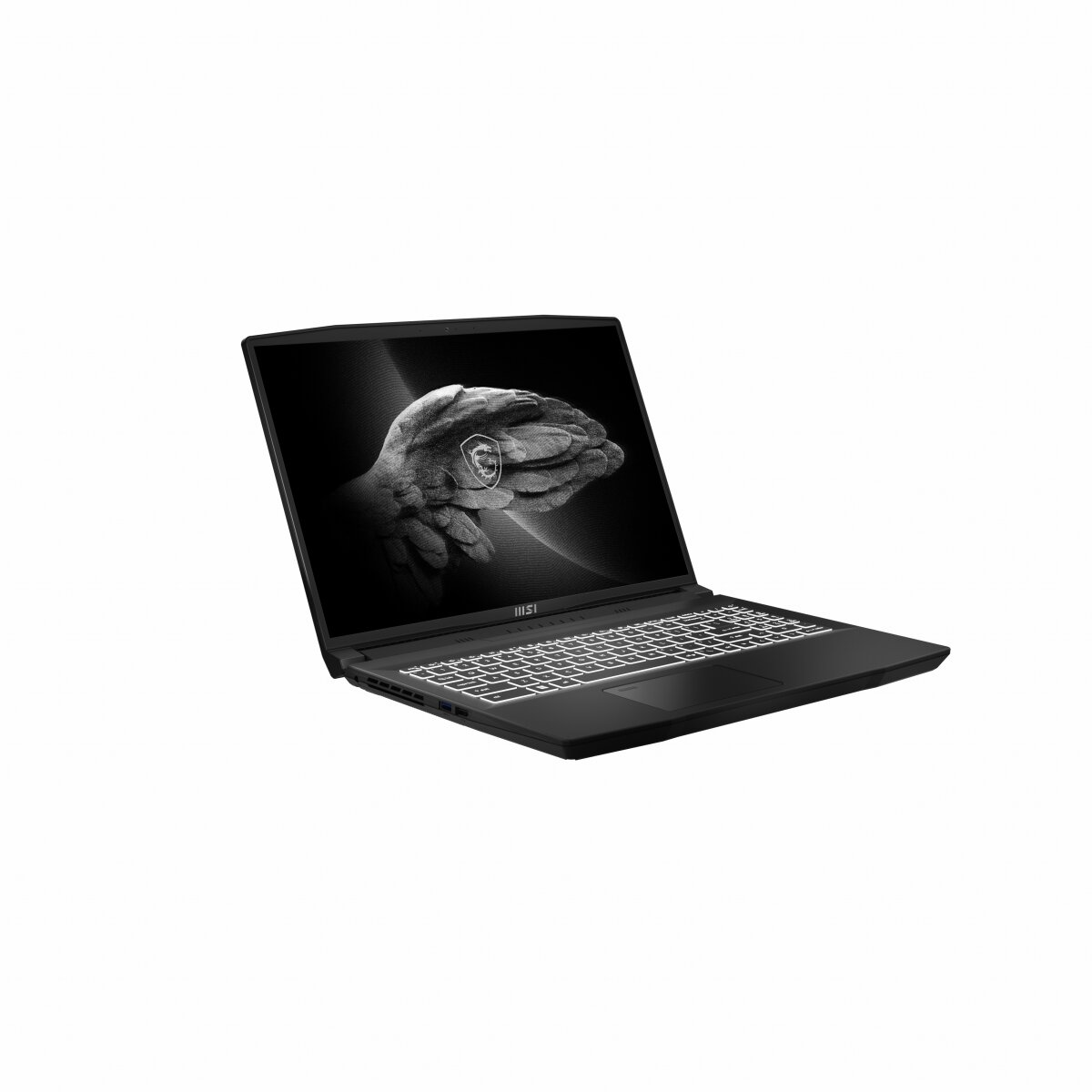
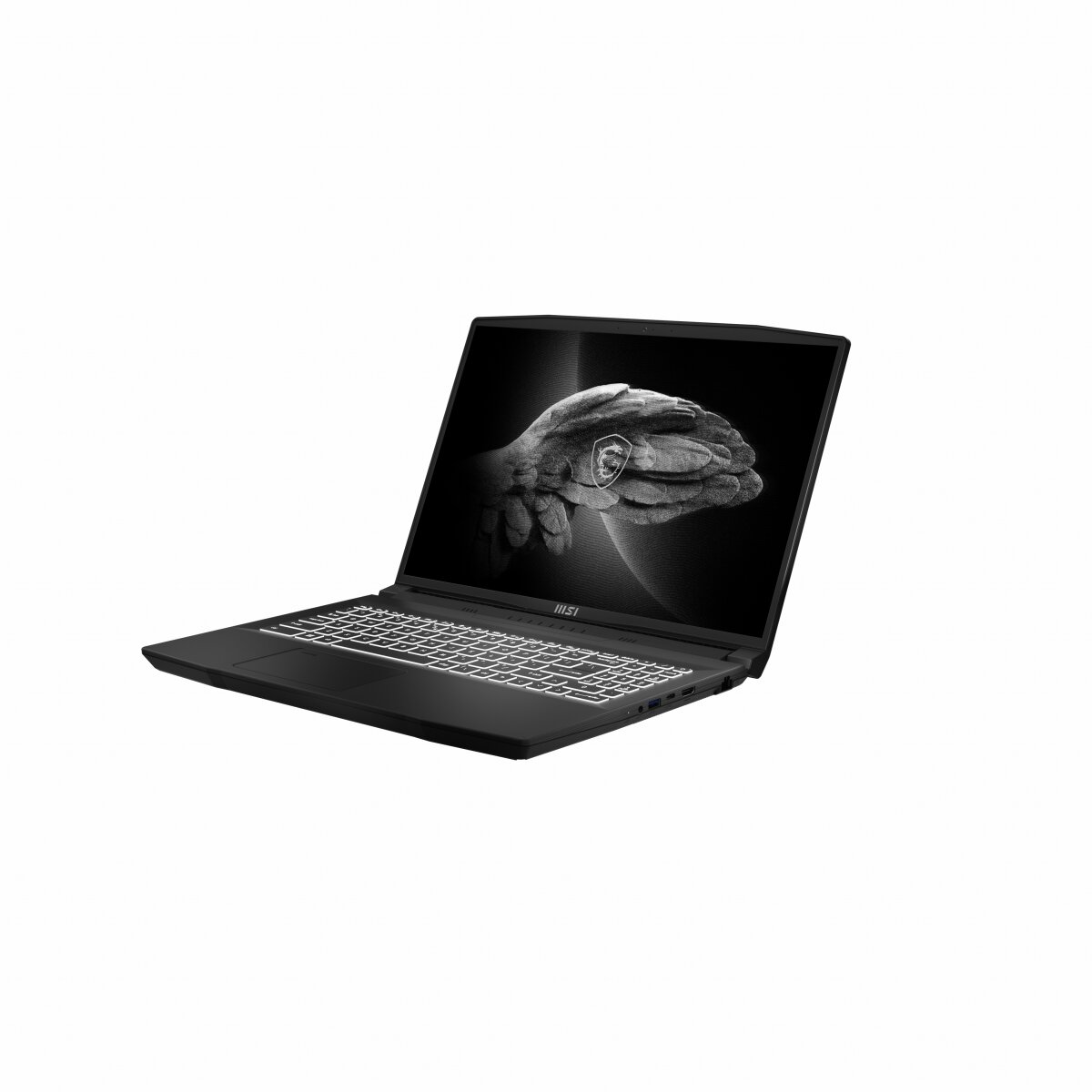
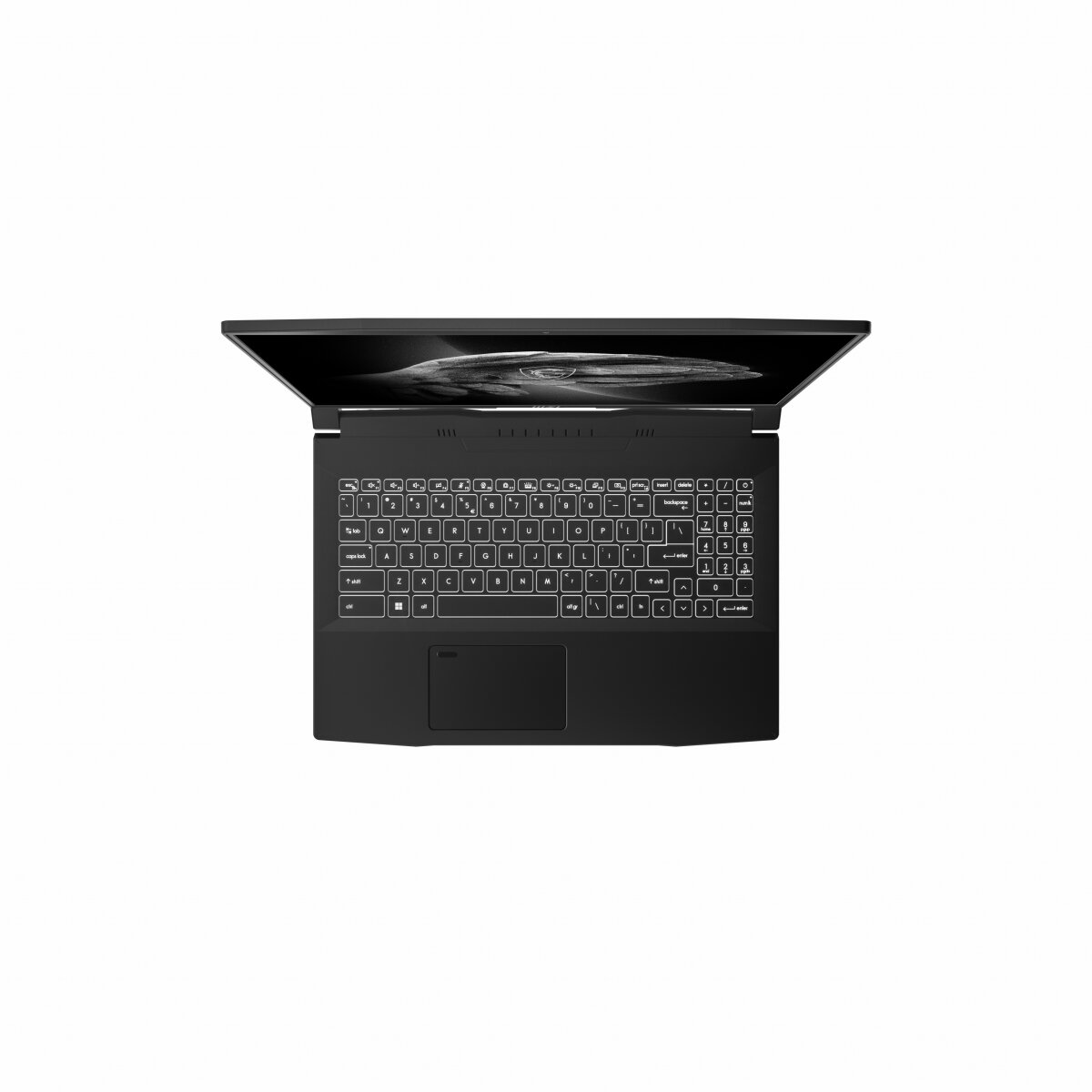
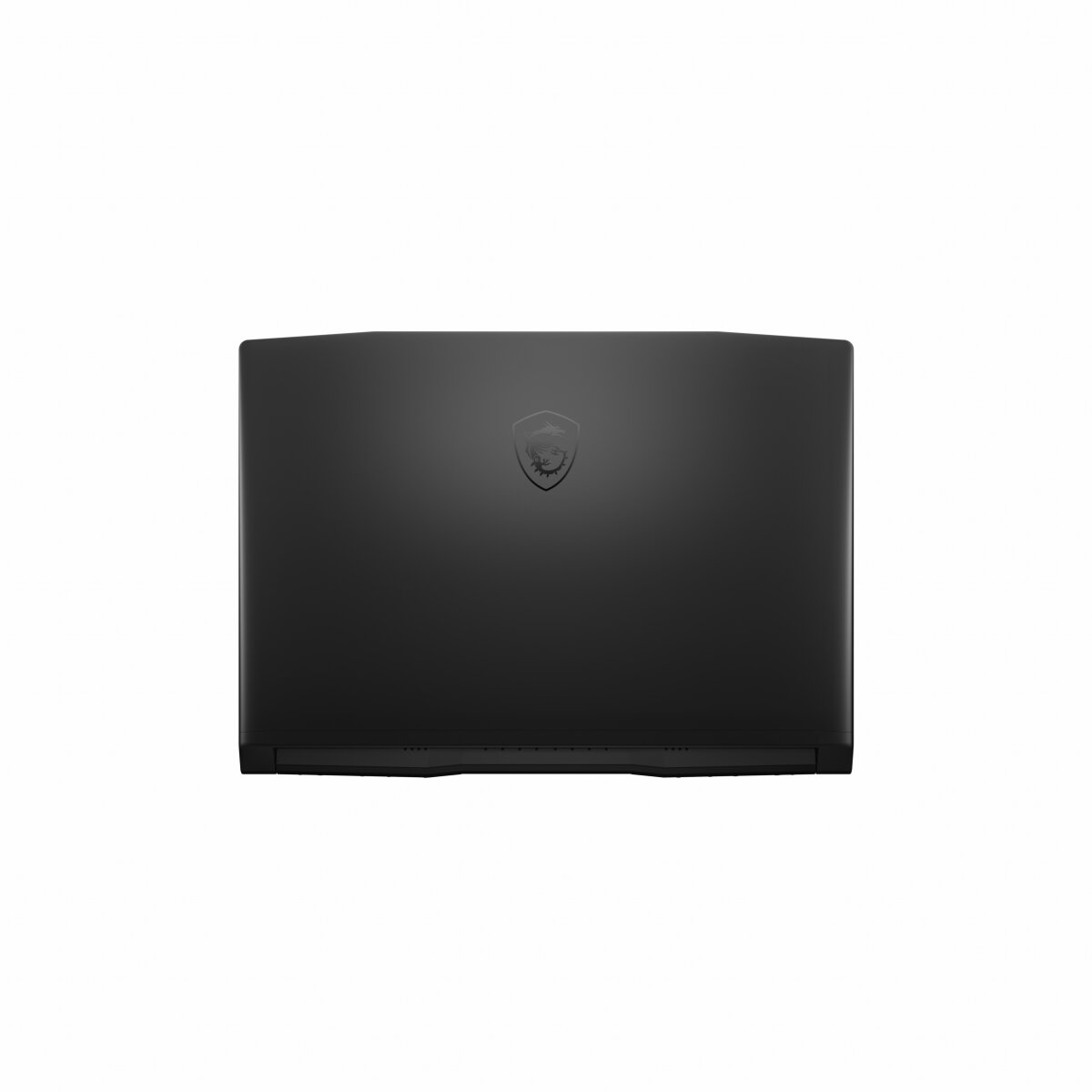
MSI Creator M16 A12UD-232ES laptop memory upgrade specifications include two SO-DIMM slots supporting DDR4-SDRAM at 3200 MHz frequency. Maximum RAM capacity reaches 64 GB total. Compatible memory modules utilize the SO-DIMM form factor. Upgrade slots allow installation of additional memory to enhance system performance. Specifications indicate DDR4 memory technology for this mobile workstation model within the Creator series lineup.
Memory Upgrade Specifications
| Specification | Value |
|---|---|
| Memory slots | 2x SO-DIMM |
| Form factor | SO-DIMM |
| Memory type | DDR4-SDRAM |
| Frequency | 3200 MHz |
| Maximum RAM | 64 GB |
| Voltage | 1.2V |
| Number of pins | 260-pin |
| Interface | PC4 |
| PC Speed Rating | PC4-3200 (PC4-25600) |
| Bandwidth | 25.6 GB/s |
| Laptop Release date | 07 January 2022 |
Additional Notes
- The MSI Creator M16 A12UD-232ES employs DDR4 technology rather than DDR5, limiting future-proofing as DDR5 becomes standard in newer systems and offers higher bandwidth potential.
- Both memory slots accept dual-rank modules, enabling configurations with larger capacity DIMMs without sacrificing the dual-channel architecture necessary for integrated graphics performance.
- The 3200 MHz frequency represents JEDEC standard speed rather than overclocked XMP profiles, ensuring broad module compatibility without BIOS adjustments.
- Exceeding the 64 GB ceiling through higher-capacity modules may result in system instability or failure to POST, as the memory controller architecture imposes hard limits on addressable space.
- SO-DIMM installation requires accessing the bottom chassis panel, where thermal paste proximity to memory bays demands careful handling to avoid voiding thermal interface warranties.
- Mixing modules with different latency timings forces all installed RAM to operate at the slowest common denominator, potentially degrading performance in mixed-brand configurations.
- Single-channel operation occurs when only 1 slot is populated, halving memory bandwidth and significantly impacting GPU-intensive workloads that rely on shared system memory.
- The absence of ECC support means undetected bit errors remain possible during mission-critical tasks, though consumer DDR4 typically exhibits sufficient reliability for creative workflows.
- Voltage requirements remain fixed at 1.2V for DDR4-3200, preventing low-voltage module use that could otherwise extend battery longevity during mobile operation.
- Upgrading from factory-installed capacity requires verifying whether existing modules occupy 1 or both slots, as some configurations ship with asymmetric population affecting replacement strategy.