MSI Creator M16 A12UD-280FR RAM upgrade specifications
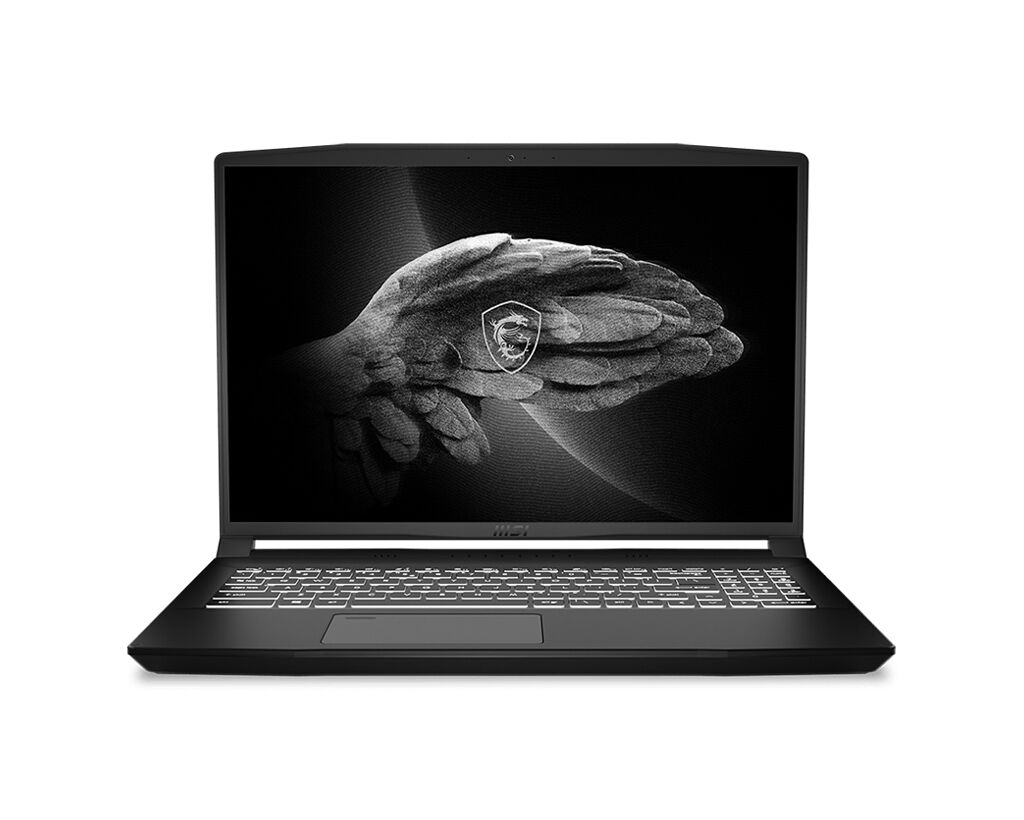
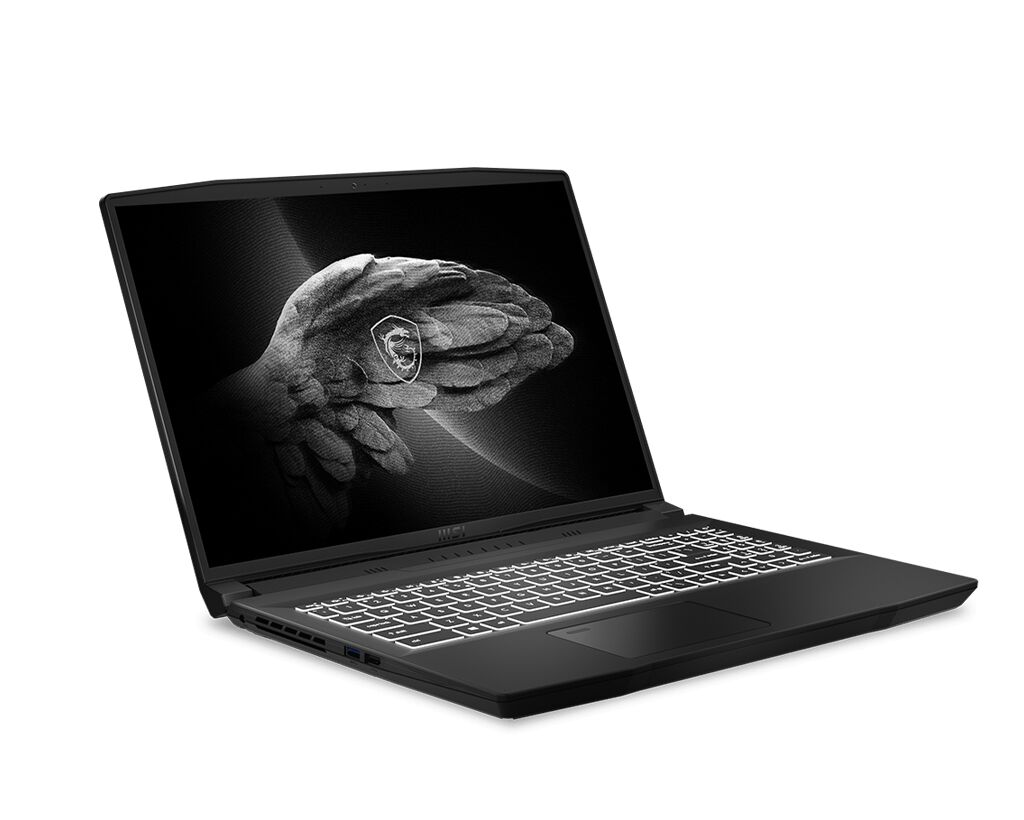
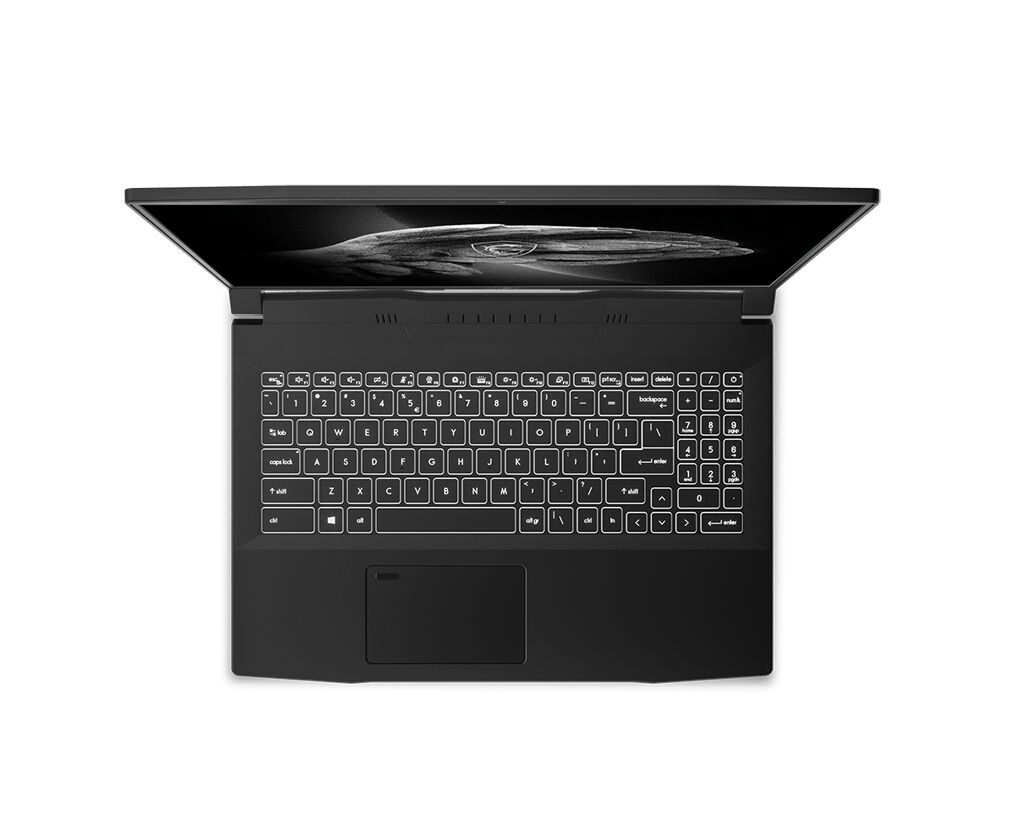
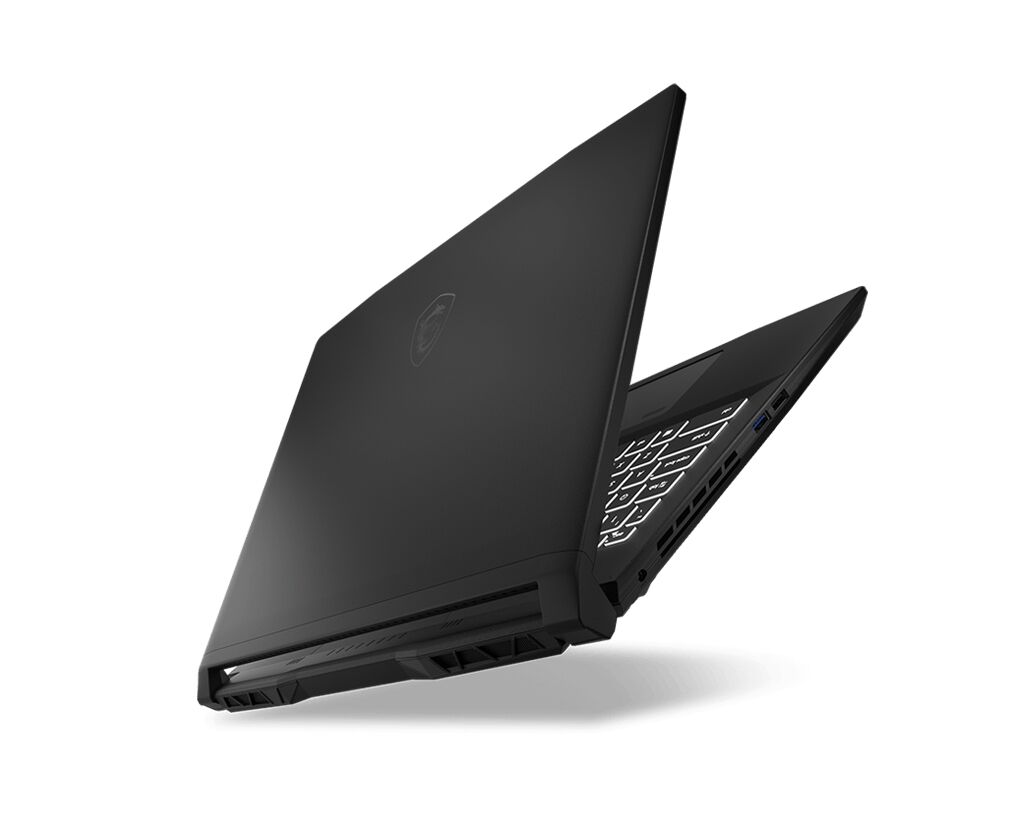
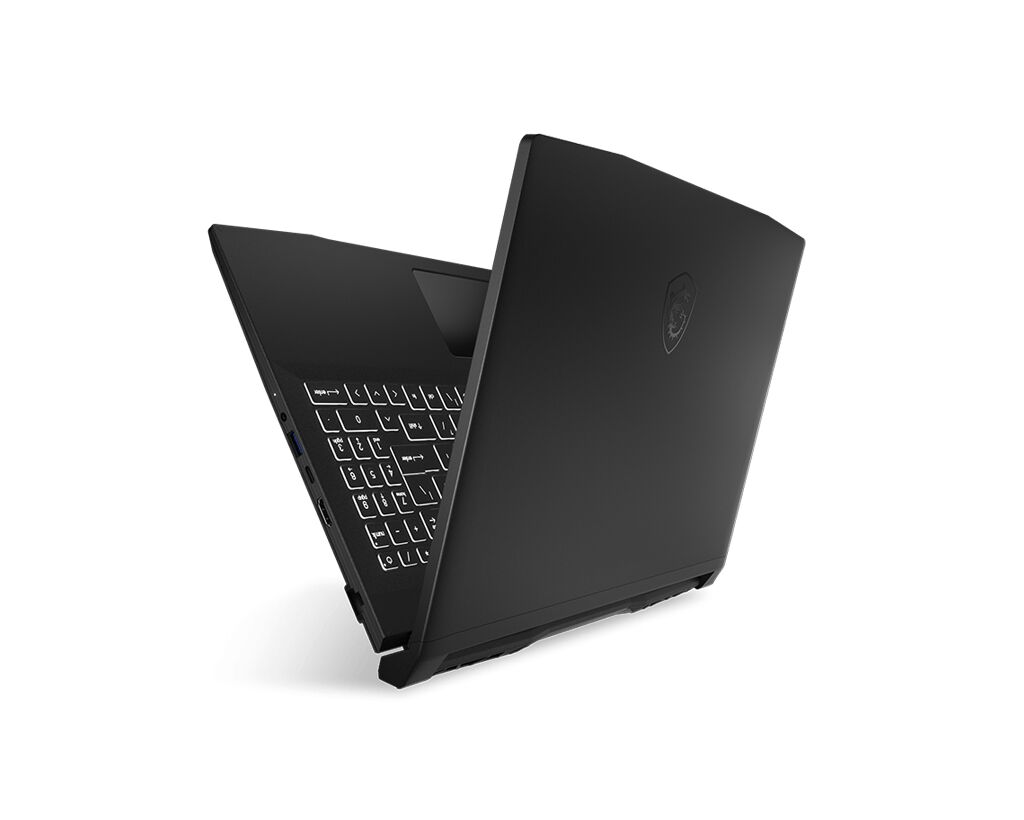
MSI M16 A12UD-280FR memory upgrade specifications include two SO-DIMM slots supporting DDR3-SDRAM modules at 3200 MHz frequency. The laptop supports maximum RAM capacity of 64 GB total. Compatible memory upgrades utilize SO-DIMM form factor for expansion. Specifications enable configuration of memory modules within the dual-slot architecture to enhance system performance capabilities.
Memory Upgrade Specifications
| Specification | Value |
|---|---|
| Memory slots | 2x SO-DIMM |
| Form factor | SO-DIMM |
| Memory type | DDR3-SDRAM |
| Frequency | 3200 MHz |
| Maximum RAM | 64 GB |
| Voltage | 1.5V |
| Number of pins | 204-pin |
| Interface | PC3 |
| PC Speed Rating | PC3-3200 (PC3-25600) |
| Bandwidth | 25.6 GB/s |
| Laptop Release date | 22 April 2022 |
Additional Notes
- The presence of 2 SO-DIMM slots allows for dual-channel memory architecture which doubles the potential communication bandwidth between the processor and the system memory.
- Upgrading the MSI Creator M16 A12UD-280FR to the maximum capacity of 64 GB requires the replacement of all pre-installed modules since no additional vacant slots exist.
- The 3200 MHz frequency hardware utilizes a lower voltage profile compared to older standards which reduces thermal output within the chassis during sustained creative workloads.
- Parity in module capacity and clock speed is necessary across both slots to prevent the system from defaulting to single-channel mode or down-clocking to the lowest common frequency.
- System stability at the 64 GB threshold depends on the use of unbuffered non-ECC modules as buffered enterprise memory is physically and electrically incompatible with this consumer motherboard.
- Physical installation involves a standard pressure-fit mechanism requiring no proprietary tools beyond a precision screwdriver to access the internal motherboard layout.
- Utilization of high-density 32 GB modules ensures sufficient overhead for memory-intensive applications such as 4K video rendering and 3D modeling without triggering virtual memory swapping to the storage drive.