MSI Creator M16 A12UD-290XIT RAM upgrade specifications

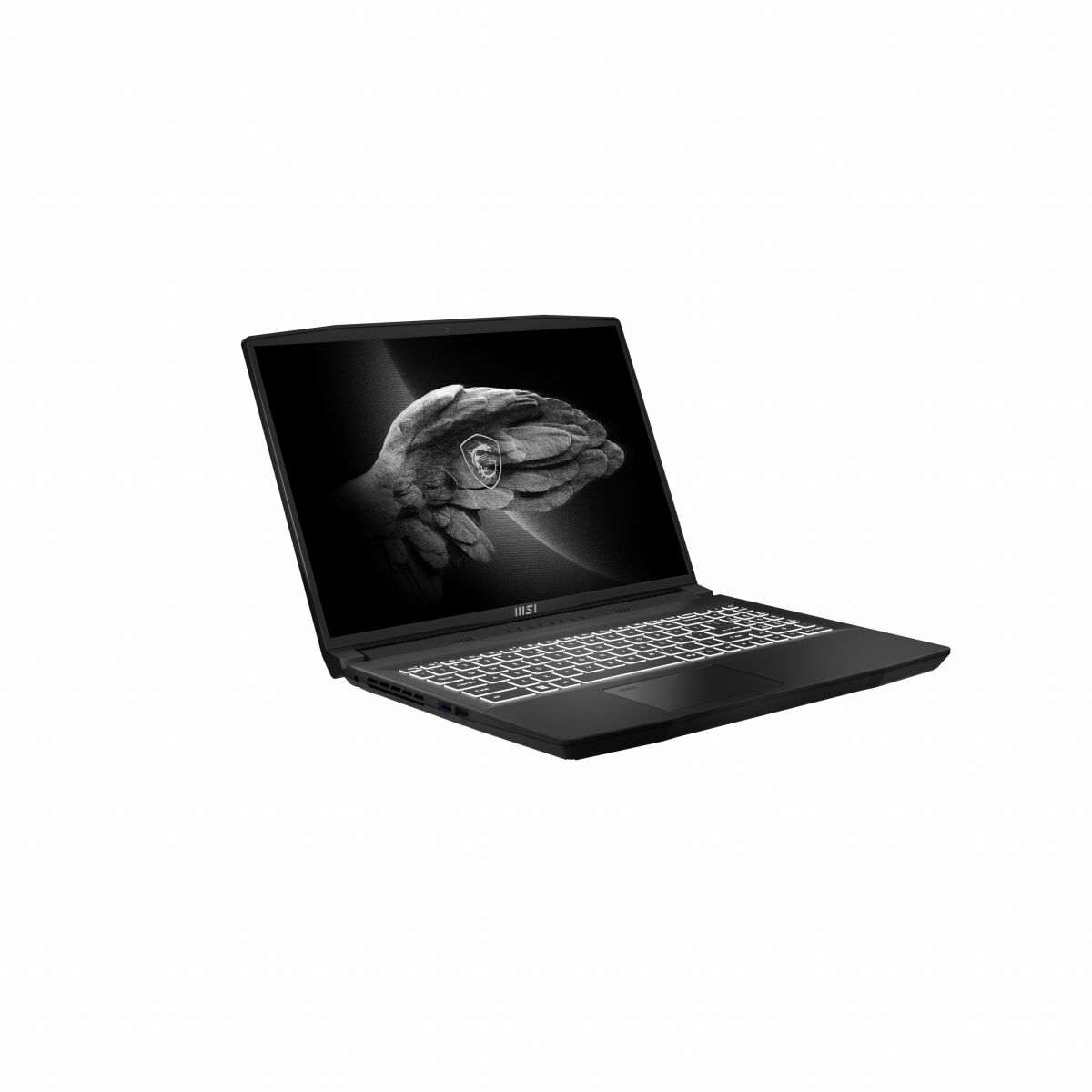
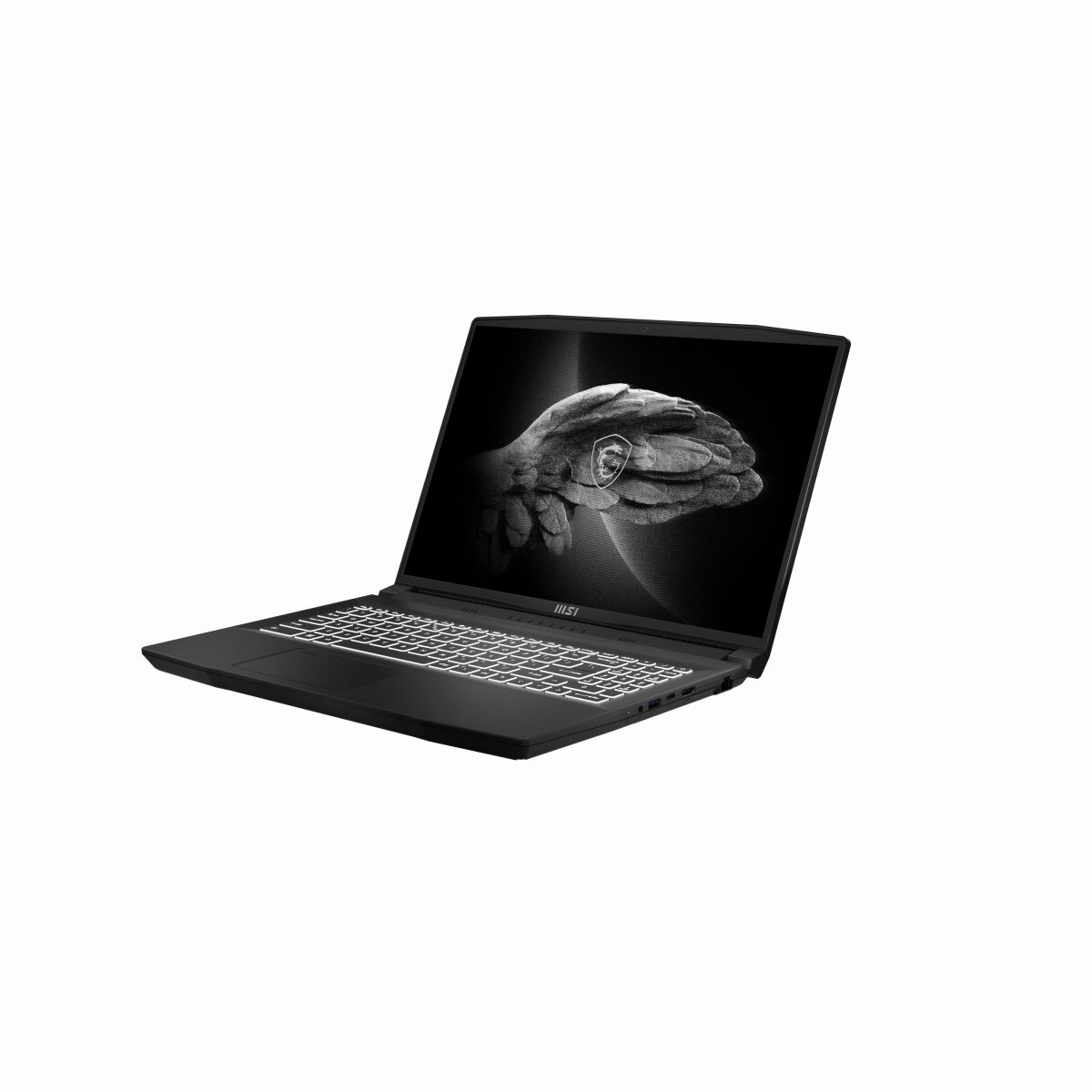
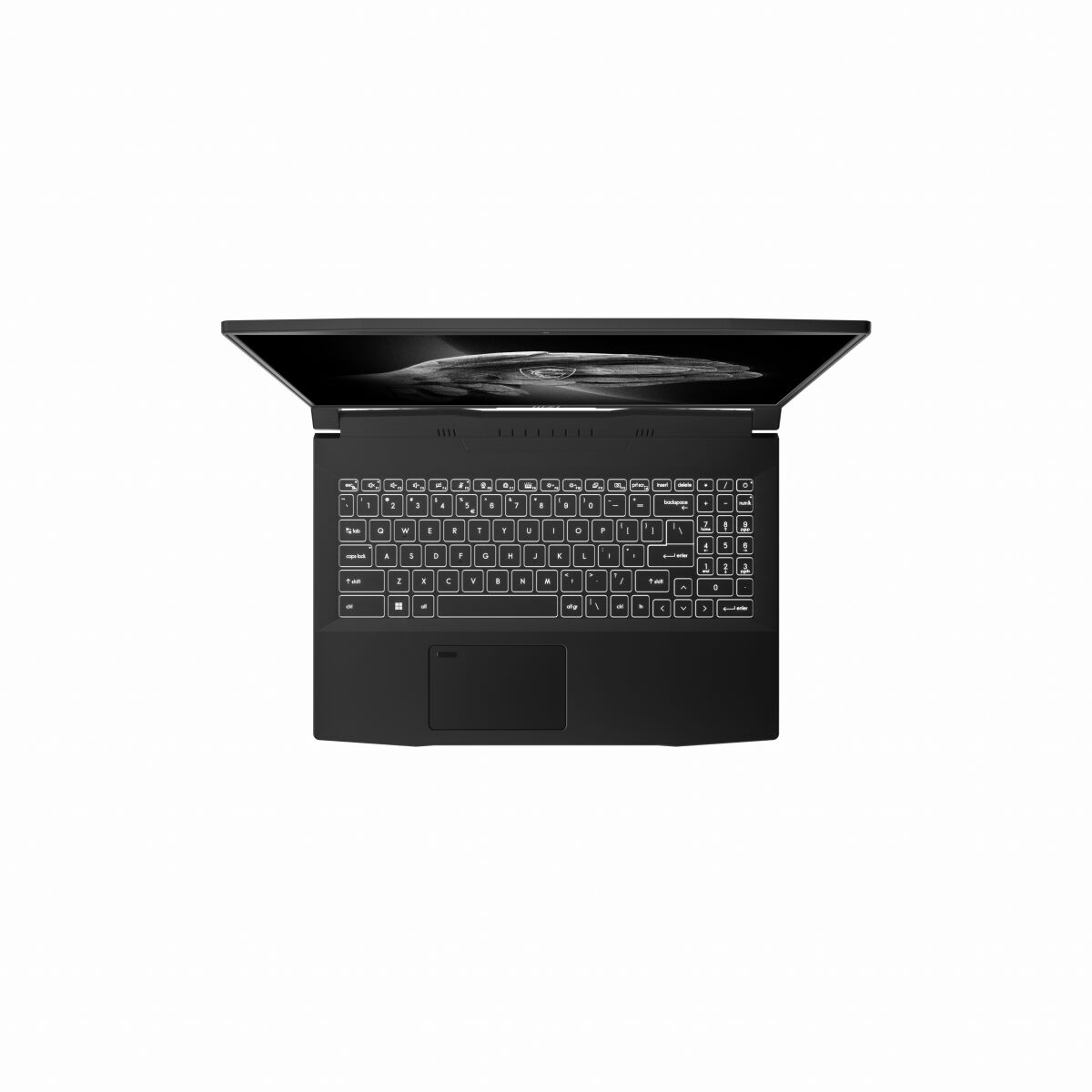
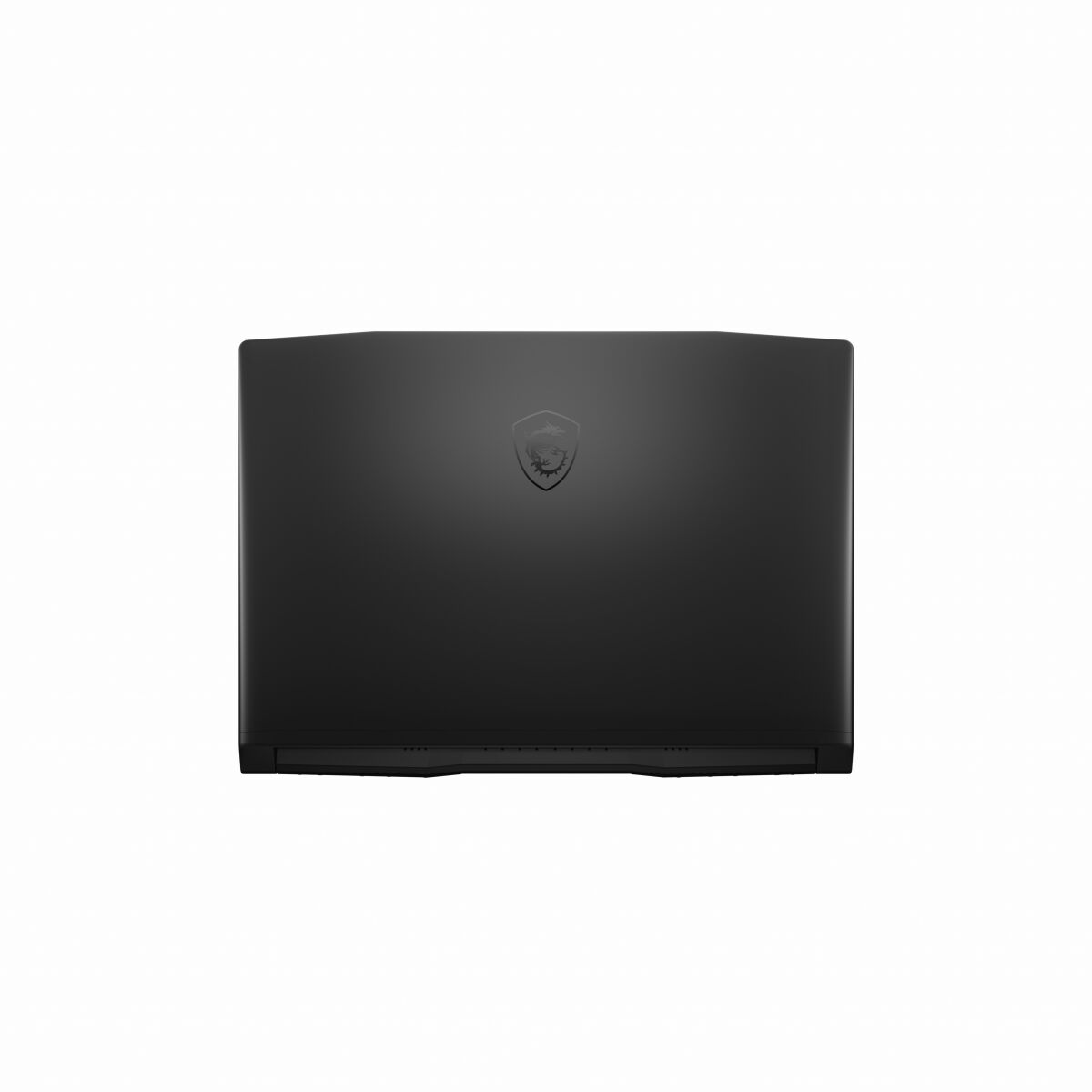
MSI Creator M16 A12UD-290XIT laptop features two SO-DIMM slots supporting DDR4-SDRAM memory upgrades. Compatible RAM operates at 3200 MHz frequency with maximum capacity of 64 GB total memory. The M16 series supports DDR4 SO-DIMM form factor modules for memory expansion, enabling users to upgrade from factory configuration to higher capacity specifications up to the 64 GB maximum supported by the system architecture.
Memory Upgrade Specifications
| Specification | Value |
|---|---|
| Memory slots | 2x SO-DIMM |
| Form factor | SO-DIMM |
| Memory type | DDR4-SDRAM |
| Frequency | 3200 MHz |
| Maximum RAM | 64 GB |
| Voltage | 1.2V |
| Number of pins | 260-pin |
| Interface | PC4 |
| PC Speed Rating | PC4-3200 (PC4-25600) |
| Bandwidth | 25.6 GB/s |
| Laptop Release date | 02 May 2022 |
Additional Notes
- The MSI Creator M16 A12UD-290XIT requires SO-DIMM modules, which are physically incompatible with standard DIMM modules used in desktop systems.
- The 3200 MHz frequency limitation stems from the 12th generation Intel chipset architecture, preventing higher speed modules from operating beyond this threshold even when installed.
- Both memory slots must remain accessible from the bottom panel or require keyboard deck removal, as SO-DIMM installation requires direct physical access to the motherboard.
- The 64 GB maximum capacity constraint means the system architecture cannot address memory beyond this limit, requiring 2x32 GB modules for full capacity utilization.
- DDR5 modules are electrically and physically incompatible due to different notch positioning and voltage requirements, limiting upgrades to DDR4 technology only.
- Dual-channel bandwidth of 51.2 GB/s becomes available only when populating both slots with matched capacity modules operating at 3200 MHz.
- Operating modules at speeds below 3200 MHz will cause the memory controller to downclock both modules to the lowest common frequency, creating a performance bottleneck.
- Mixed module configurations with different densities or timings may force the system to operate at JEDEC standard speeds rather than XMP profiles.
- The SO-DIMM form factor limits module height clearance to approximately 30mm, though this rarely affects compatibility in laptop installations.
- Non-ECC unbuffered modules are required, as the consumer-grade chipset lacks error correction support present in workstation platforms.
- Warranty preservation typically requires avoiding damage to retention clips during installation, as broken clips can prevent secure module seating.
- Single-rank versus dual-rank module architecture affects memory interleaving, with dual-rank configurations potentially offering marginal performance improvements in bandwidth-intensive applications.