MSI Creator M16 A12UD-283 RAM upgrade specifications

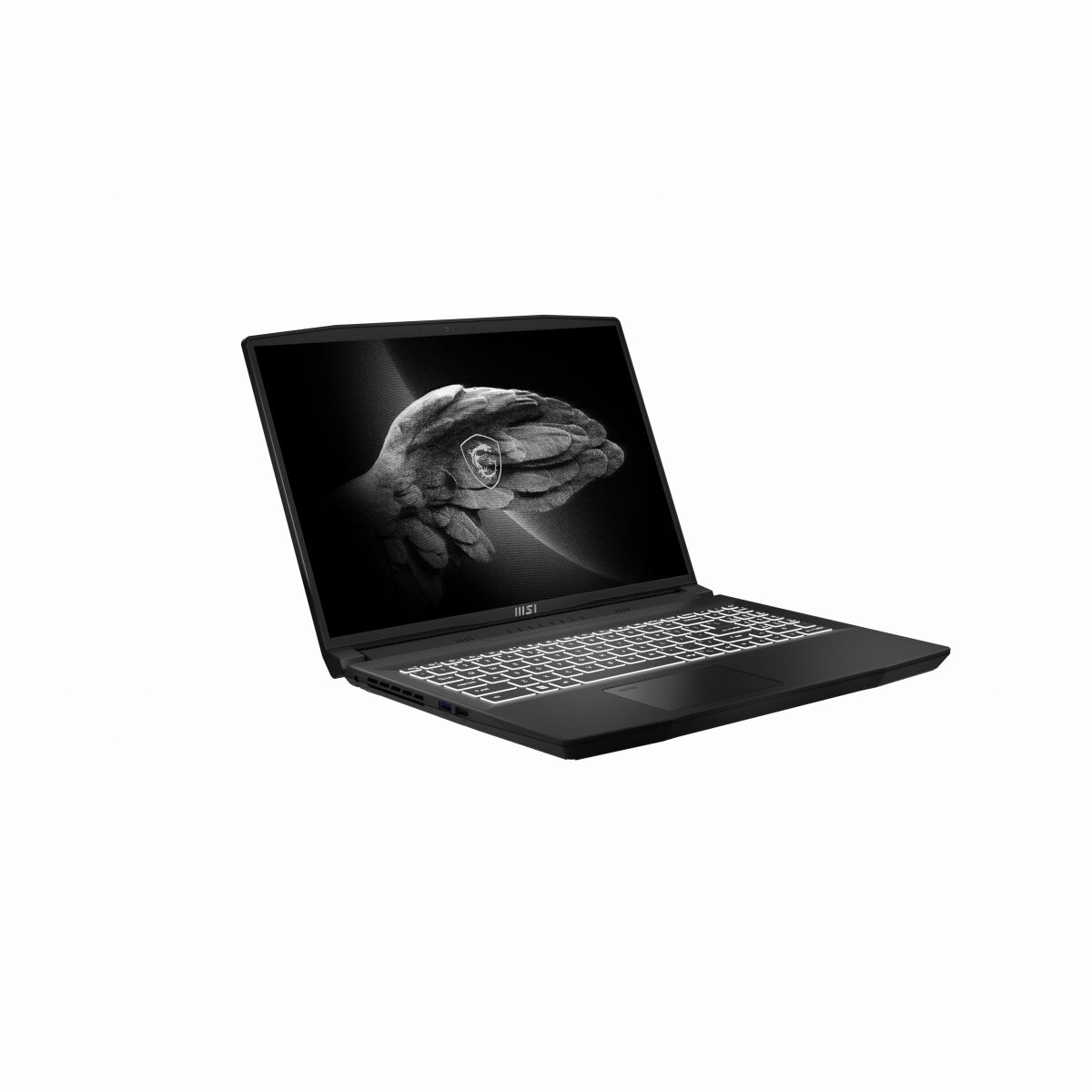

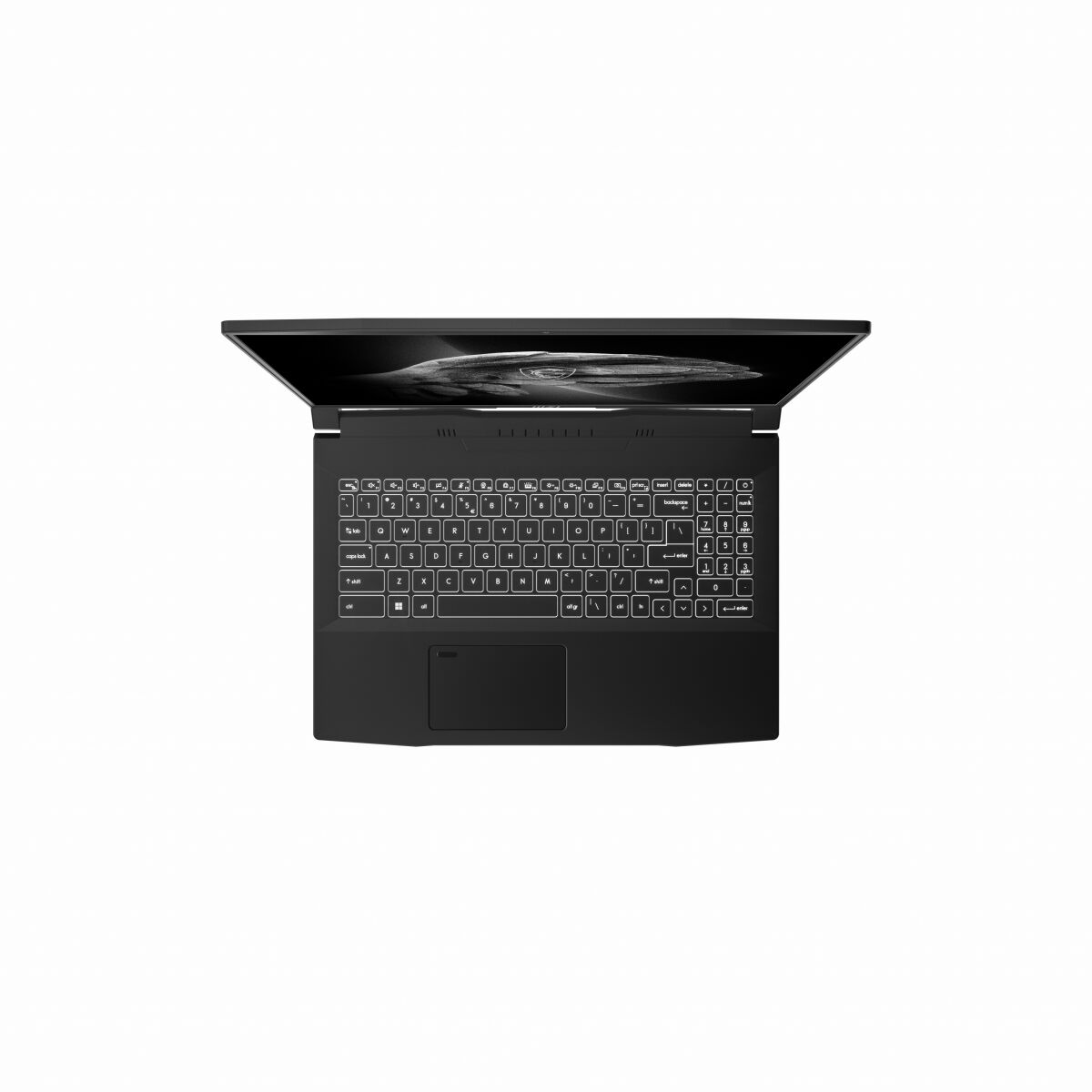
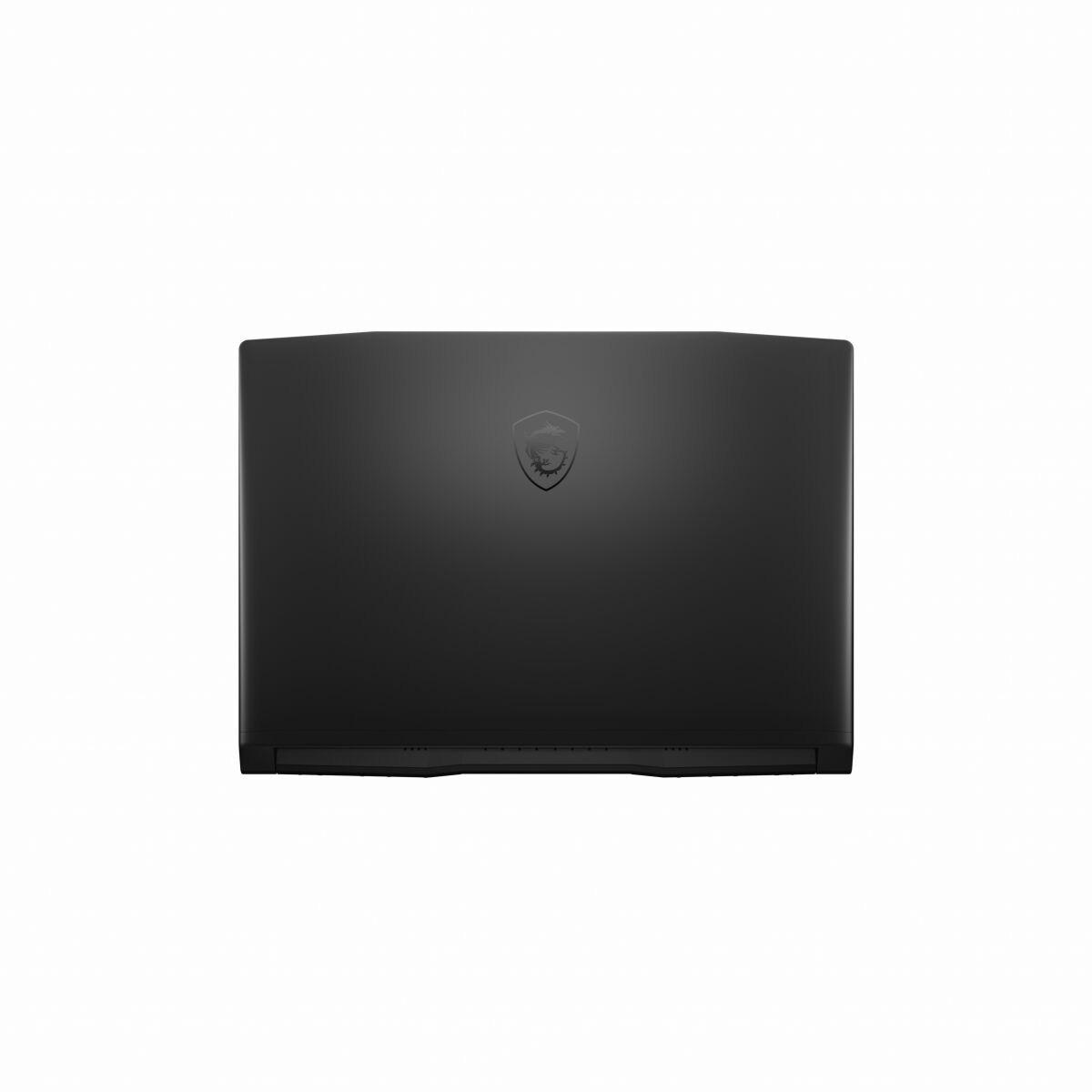
The MSI Creator M16 A12UD-283 laptop features DDR4-SDRAM memory upgrade specifications with two SO-DIMM slots supporting maximum capacity of 64 GB. The memory operates at 3200 MHz frequency. Specifications indicate compatible RAM upgrades utilize SO-DIMM form factor, allowing users to expand the existing memory configuration up to the maximum supported capacity. The M16 series supports DDR4 memory technology with dual slot architecture for RAM upgrade options.
Memory Upgrade Specifications
| Specification | Value |
|---|---|
| Memory slots | 2x SO-DIMM |
| Form factor | SO-DIMM |
| Memory type | DDR4-SDRAM |
| Frequency | 3200 MHz |
| Maximum RAM | 64 GB |
| Voltage | 1.2V |
| Number of pins | 260-pin |
| Interface | PC4 |
| PC Speed Rating | PC4-3200 (PC4-25600) |
| Bandwidth | 25.6 GB/s |
| Laptop Release date | 22 January 2022 |
Additional Notes
- The MSI Creator M16 A12UD-283 chipset enforces a 64 GB ceiling across both slots, meaning single-slot configurations above 32 GB modules will fail POST regardless of theoretical SO-DIMM capacity standards.
- DDR4-3200 operates at 1.2V standard voltage, eliminating compatibility with older DDR4-2133 or DDR4-2400 modules that may use different XMP profiles and cause boot instability.
- Dual-channel architecture requires matched module densities in both slots to unlock full 51.2 GB/s theoretical bandwidth, while mismatched pairs drop to single-channel 25.6 GB/s operation.
- SO-DIMM physical dimensions mandate 260-pin contacts versus desktop 288-pin UDIMM modules, making standard DDR4 DIMMs mechanically incompatible despite shared electrical specifications.
- Mixing CAS latencies between slots forces the memory controller to downclock all modules to the slowest timing denominator, degrading effective bandwidth below rated 3200 MT/s transfer rates.
- Non-ECC unbuffered module requirement excludes server-grade registered or load-reduced SO-DIMMs that physically fit but trigger memory training failures during initialization.
- Dual-rank modules exceeding 16 GB per stick may stress the memory controller's trace routing beyond validated specifications, causing intermittent errors under sustained workloads despite successful POST.
- JEDEC DDR4-3200 backward compatibility allows DDR4-2666 or DDR4-2933 modules to function at reduced frequencies, though BIOS updates may remove downclocking support without user consent.
- Warranty preservation requires avoiding bottom-case removal tools that risk cracking plastic retention clips around the SO-DIMM ejector mechanisms during module installation.
- Thermal throttling becomes probable when populating both slots with 32 GB modules under sustained memory-intensive tasks, as the combined TDP exceeds baseline cooling system design parameters.