MSI Creator M16 A12UD-233PT RAM upgrade specifications

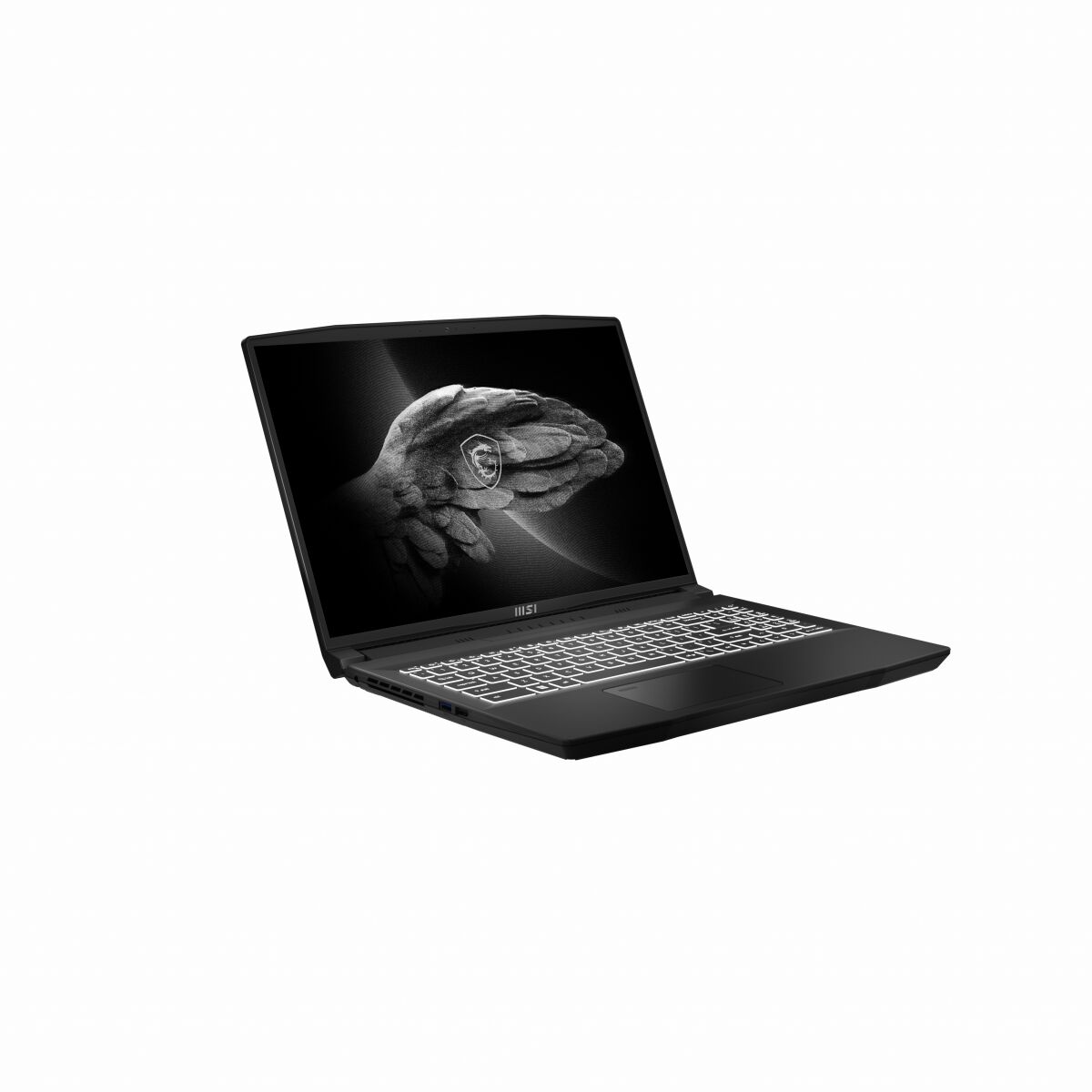
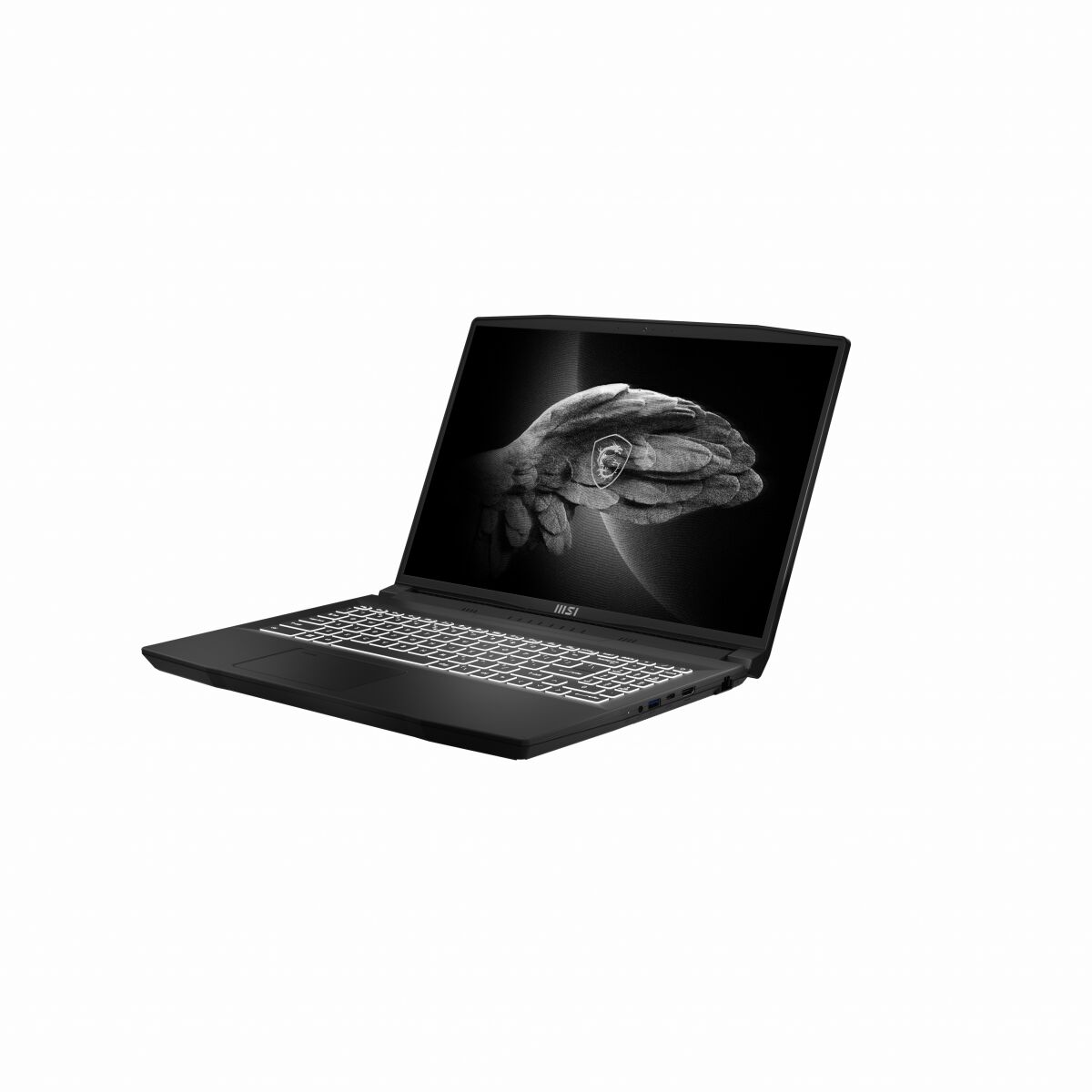
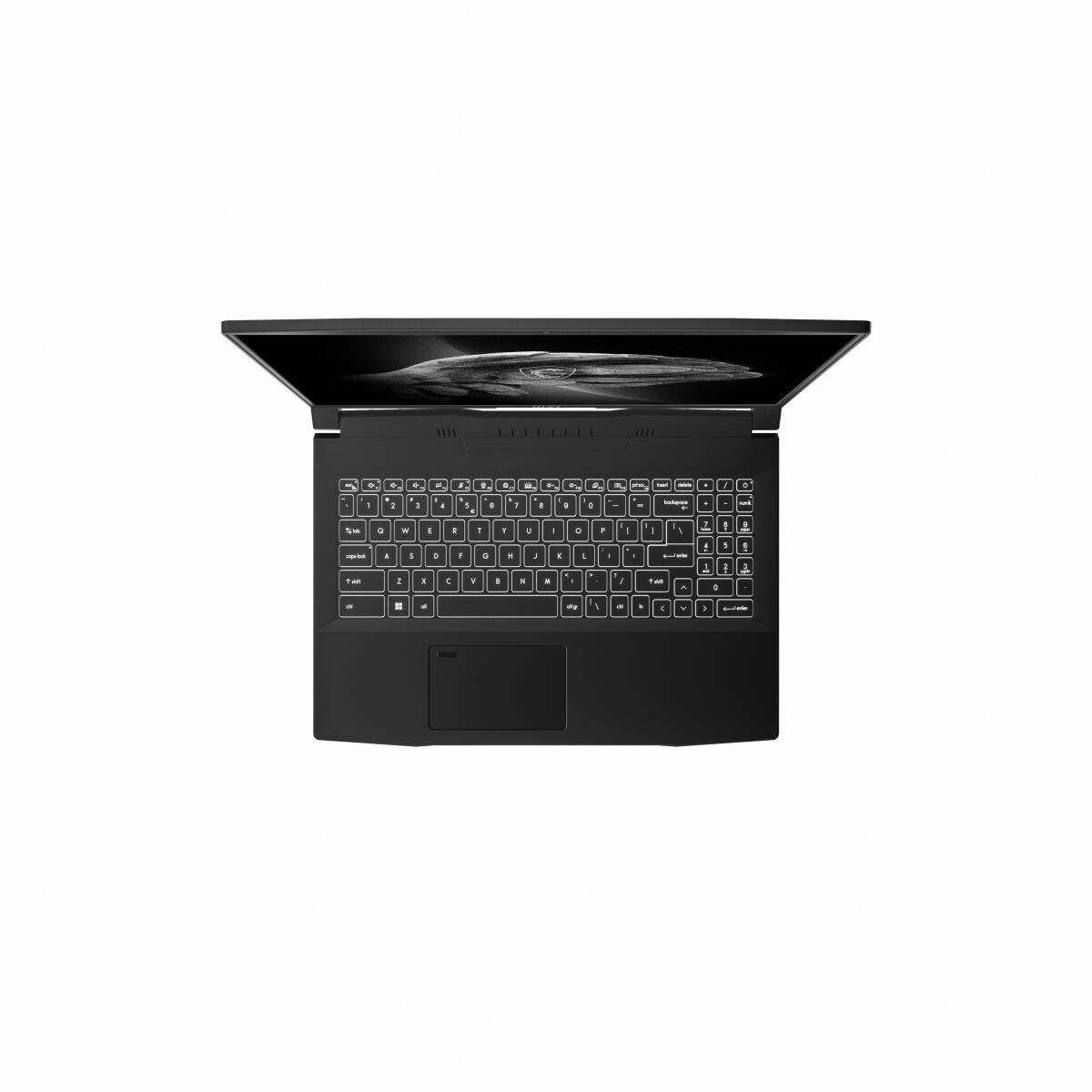
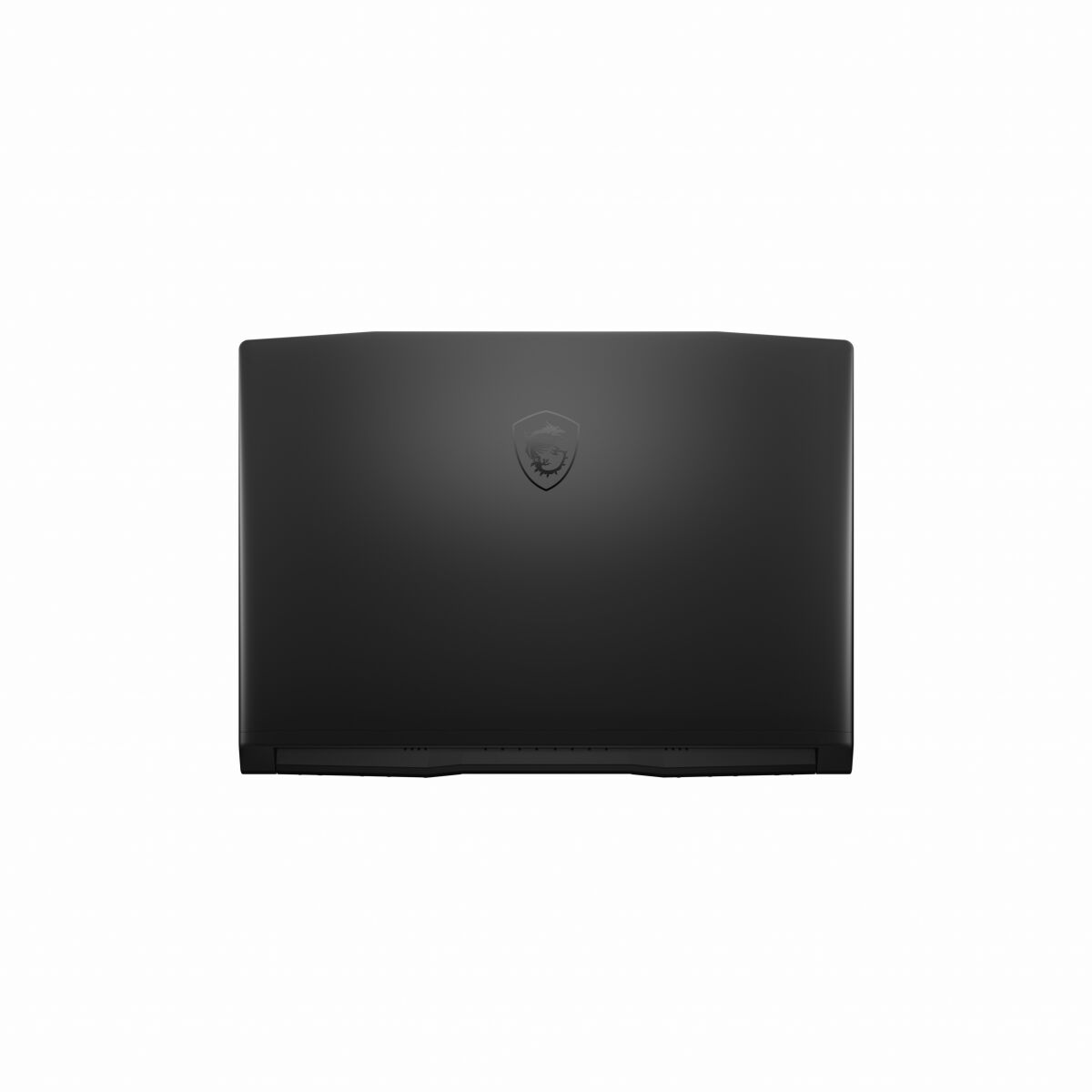
The MSI Creator M16 A12UD-233PT laptop features two SO-DIMM slots supporting DDR4-SDRAM memory at 3200 MHz frequency. The upgrade specifications allow for a maximum RAM capacity of 64 GB total. Compatible memory modules must match the SO-DIMM form factor and DDR4 specifications. The M16 A12UD-233PT supports memory upgrades to achieve the maximum capacity of 64 GB across the two available slots.
Memory Upgrade Specifications
| Specification | Value |
|---|---|
| Memory slots | 2x SO-DIMM |
| Form factor | SO-DIMM |
| Memory type | DDR4-SDRAM |
| Frequency | 3200 MHz |
| Maximum RAM | 64 GB |
| Voltage | 1.2V |
| Number of pins | 260-pin |
| Interface | PC4 |
| PC Speed Rating | PC4-3200 (PC4-25600) |
| Bandwidth | 25.6 GB/s |
| Laptop Release date | 15 July 2022 |
Additional Notes
- The MSI Creator M16 A12UD-233PT relies on the SO-DIMM form factor, which restricts module height to 30mm and prevents installation of standard DIMM modules used in desktop systems.
- DDR4-3200 represents the maximum JEDEC-standard speed for this memory type, eliminating headroom for frequency overclocking beyond the 3200 MHz specification.
- Dual-channel memory architecture requires matched pairs for optimal bandwidth, as mismatched modules force operation at the speed and timings of the slower component.
- The 64 GB ceiling necessitates installation of 2x32 GB modules to reach maximum capacity, as no upgrade path exists beyond this dual-slot configuration.
- DDR4 modules operate at 1.2V, substantially reducing thermal output compared to DDR3 technology, which matters in thermally constrained laptop chassis designs.
- Non-ECC memory architecture means this system lacks error correction capabilities, making it unsuitable for applications requiring validated memory integrity.
- Physical module replacement requires access to the bottom panel, and improper installation voids warranty coverage on most manufacturer service agreements.
- Mixed-capacity configurations such as 16 GB plus 32 GB modules function but sacrifice symmetric dual-channel operation, potentially reducing memory bandwidth by up to 30 percent in specific workloads.
- CAS latency specifications absent from base specifications mean installed modules may range from CL19 to CL22, directly impacting real-world latency performance within the same frequency band.
- The absence of Intel XMP profile support in most laptop BIOS implementations means advertised performance ratings above JEDEC standards remain inaccessible regardless of module capabilities.