MSI Creator Z16 A11UET-072 RAM upgrade specifications
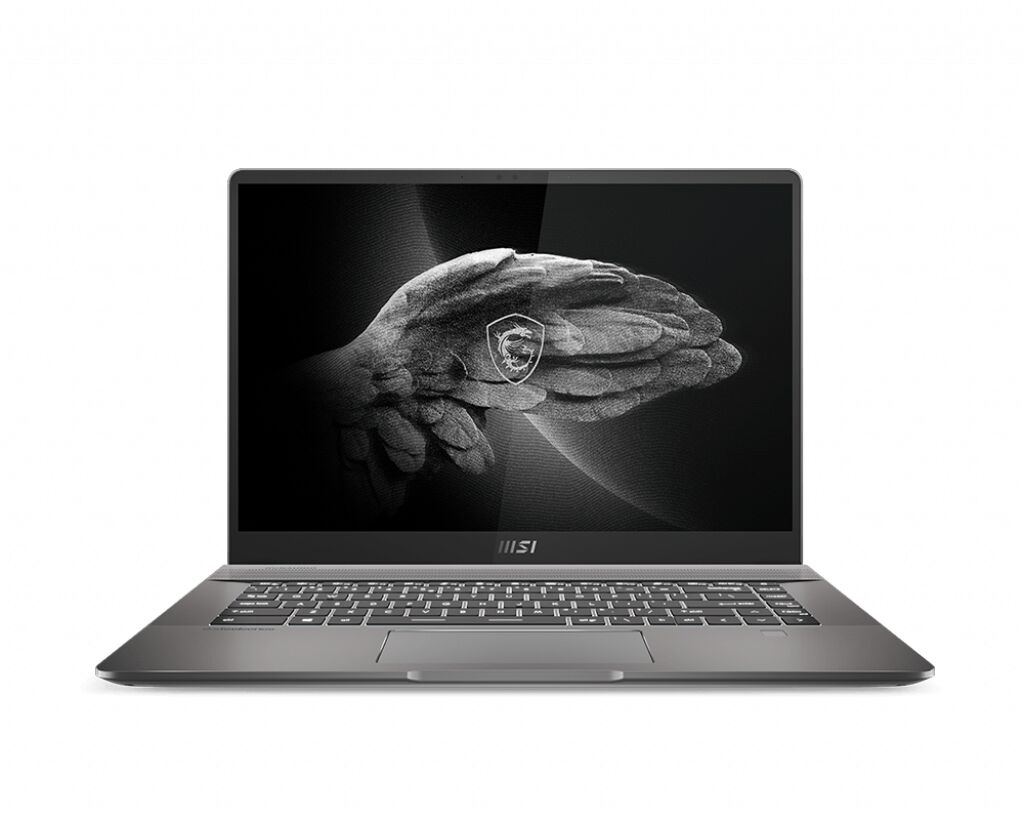
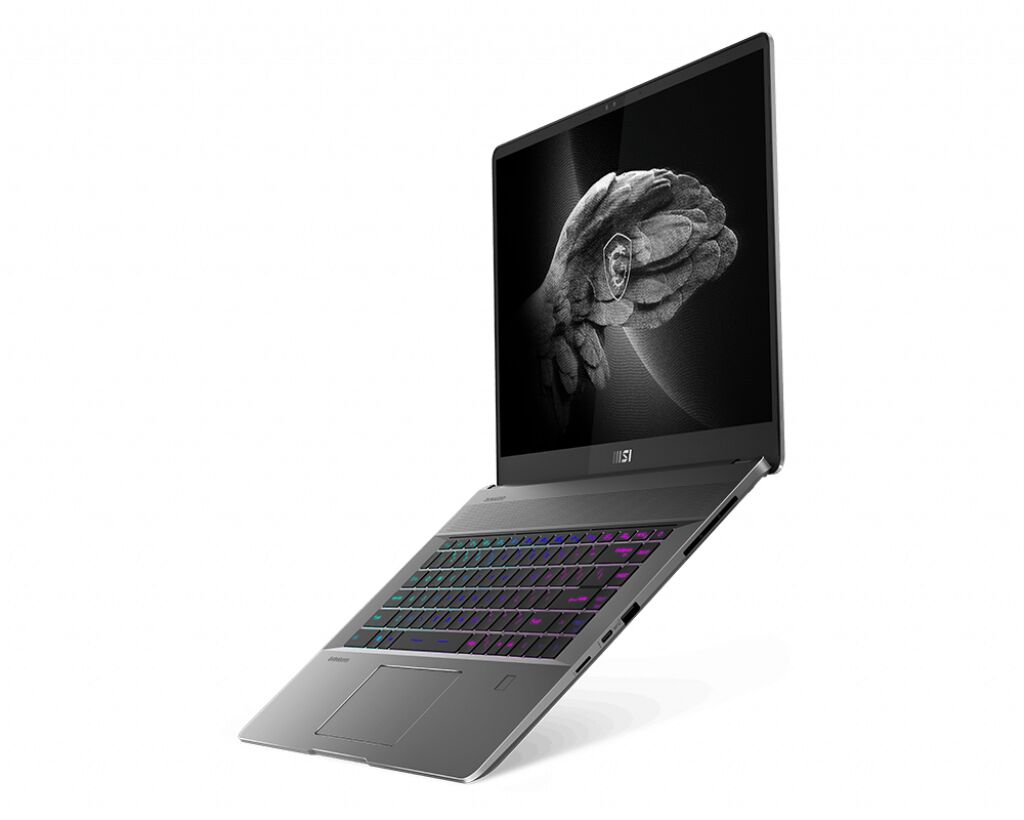
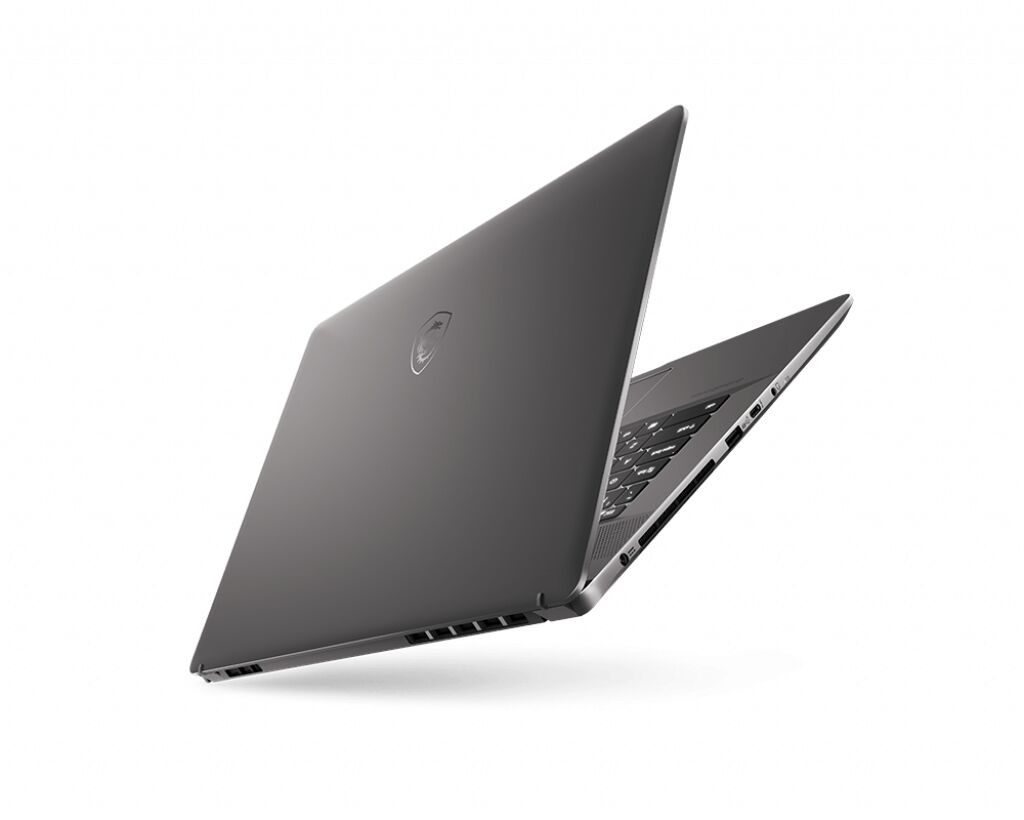
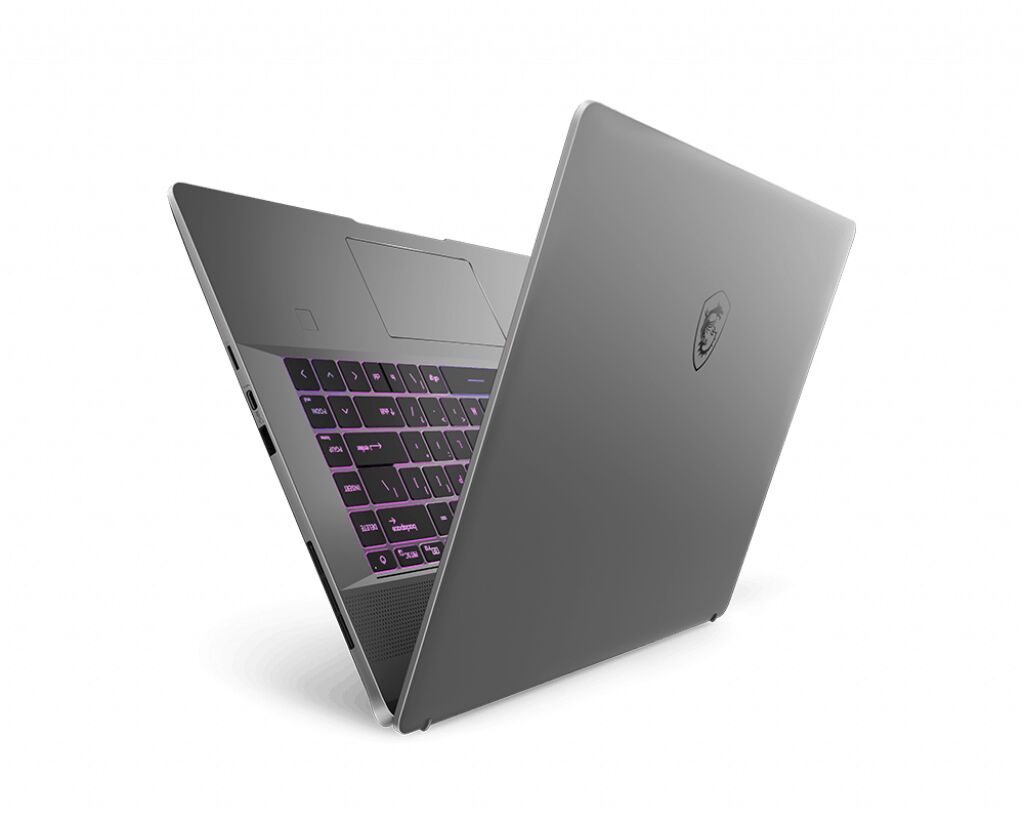
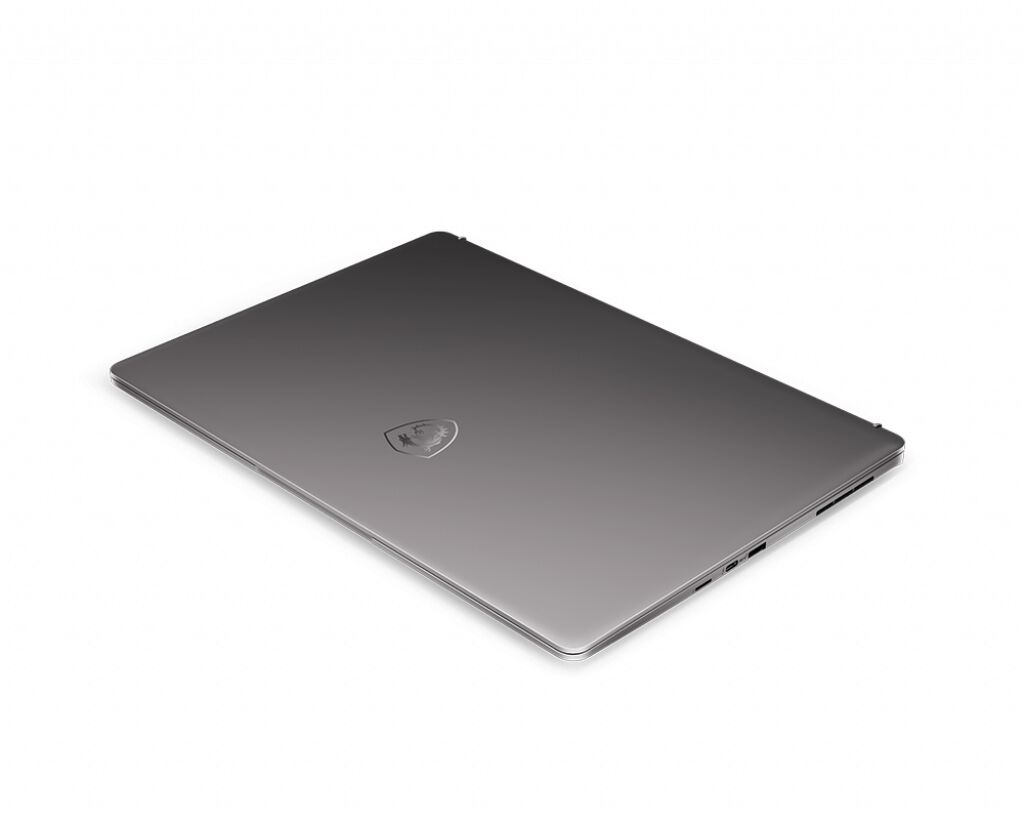
The MSI Creator Z16 A11UET-072 laptop supports DDR4-SDRAM memory upgrades across 2x SO-DIMM slots. Maximum RAM capacity reaches 64 GB with compatible modules operating at 3200 MHz frequency. The SO-DIMM form factor enables standard memory expansion for this notebook model. Upgrade specifications allow for dual-channel memory configuration within the Z16 series specifications.
Memory Upgrade Specifications
| Specification | Value |
|---|---|
| Memory slots | 2x SO-DIMM |
| Form factor | SO-DIMM |
| Memory type | DDR4-SDRAM |
| Frequency | 3200 MHz |
| Maximum RAM | 64 GB |
| Voltage | 1.2V |
| Number of pins | 260-pin |
| Interface | PC4 |
| PC Speed Rating | PC4-3200 (PC4-25600) |
| Bandwidth | 25.6 GB/s |
| Laptop Release date | 25 June 2021 |
Additional Notes
- The 2 SO-DIMM slot configuration mandates paired upgrades; installing a single module results in either single-channel operation or incompatibility, halving effective memory bandwidth and degrading performance in memory-intensive applications such as video rendering or 3D modeling.
- DDR4-3200 MHz represents the maximum certified speed; modules rated at 3600 MHz or higher will either downclock to 3200 MHz or fail to initialize, depending on BIOS configuration, making higher-speed purchases incompatible without performance degradation.
- The 64 GB ceiling implies both modules must be 32 GB units; mixing 16 GB and 32 GB modules results in 48 GB total capacity, leaving 16 GB of addressing capacity unused and wasting the platform's upgrade potential.
- SO-DIMM sockets are soldered to the mainboard; replacement requires board-level rework if socket damage occurs during module insertion, making physical installation errors potentially unrecoverable without professional repair.
- The MSI Creator Z16 A11UET-072 uses Intel 11th-generation socket architecture; memory compatibility verification through SPD checking is essential, as non-qualified modules may not register in BIOS despite physical insertion.
- Thermal clearance between the SO-DIMM slots and nearby components (GPU, heatsinks) may restrict module height; tall-profile heat spreaders designed for desktop systems risk interference and incomplete seating.