MSI Creator Z16 A12UET-001FR RAM upgrade specifications
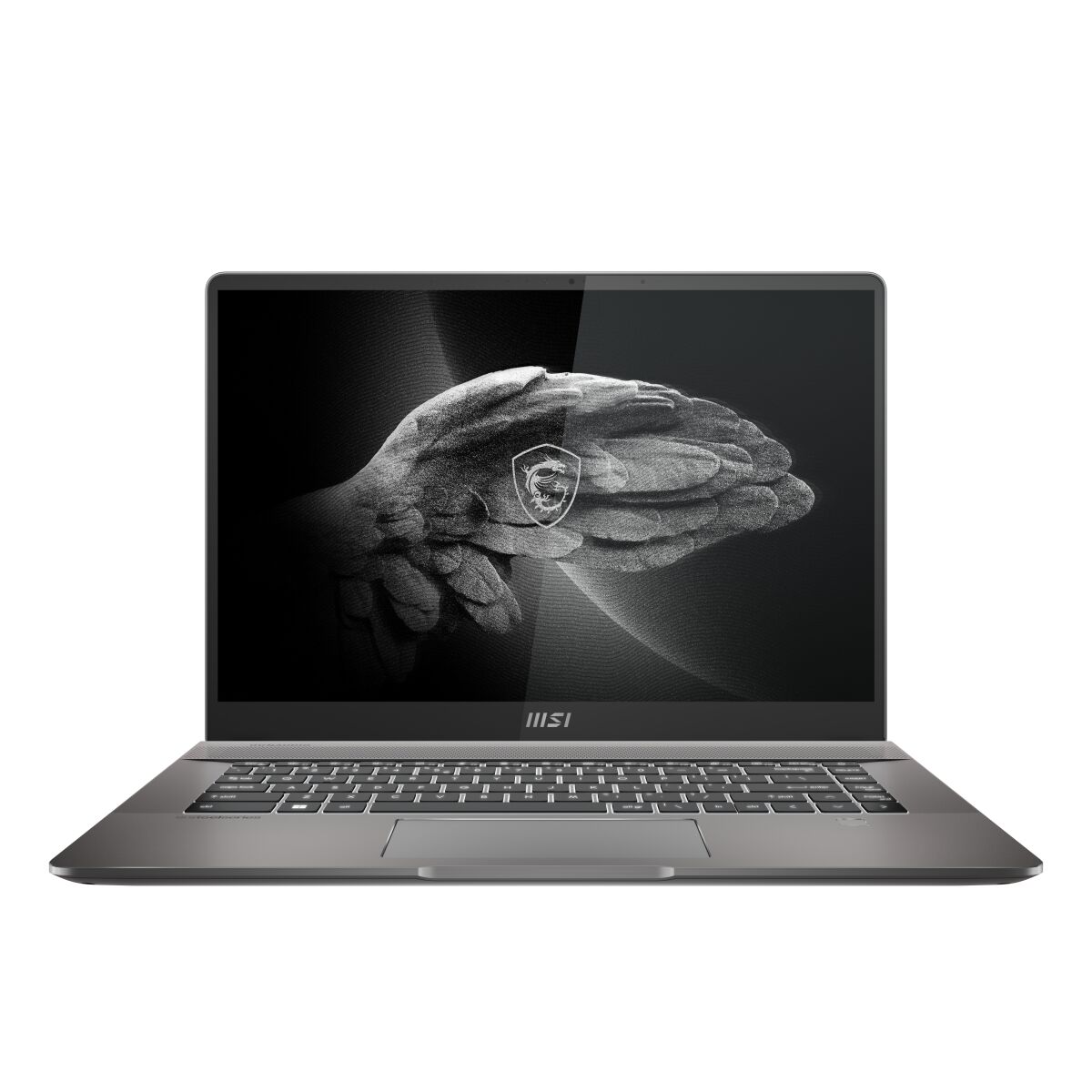
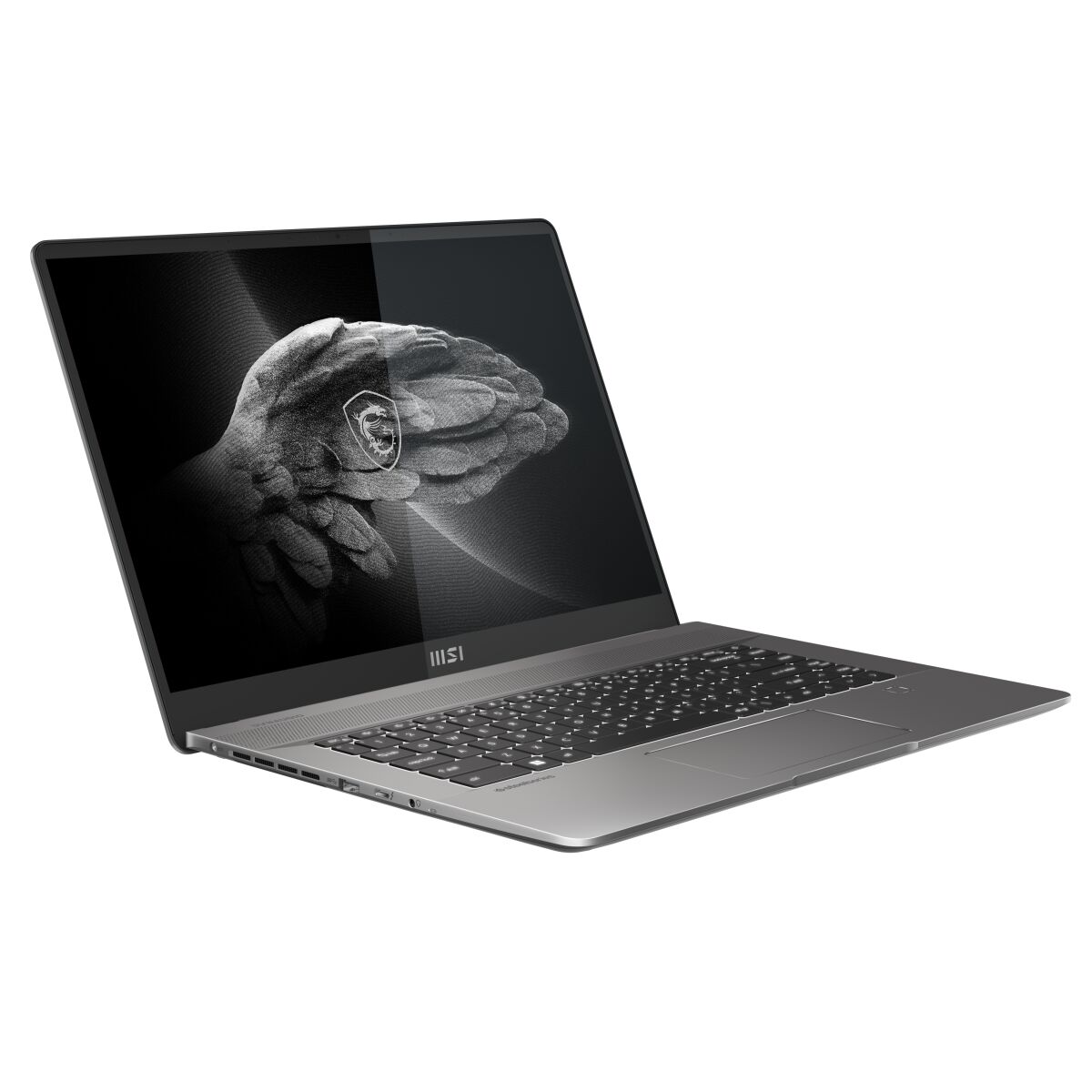

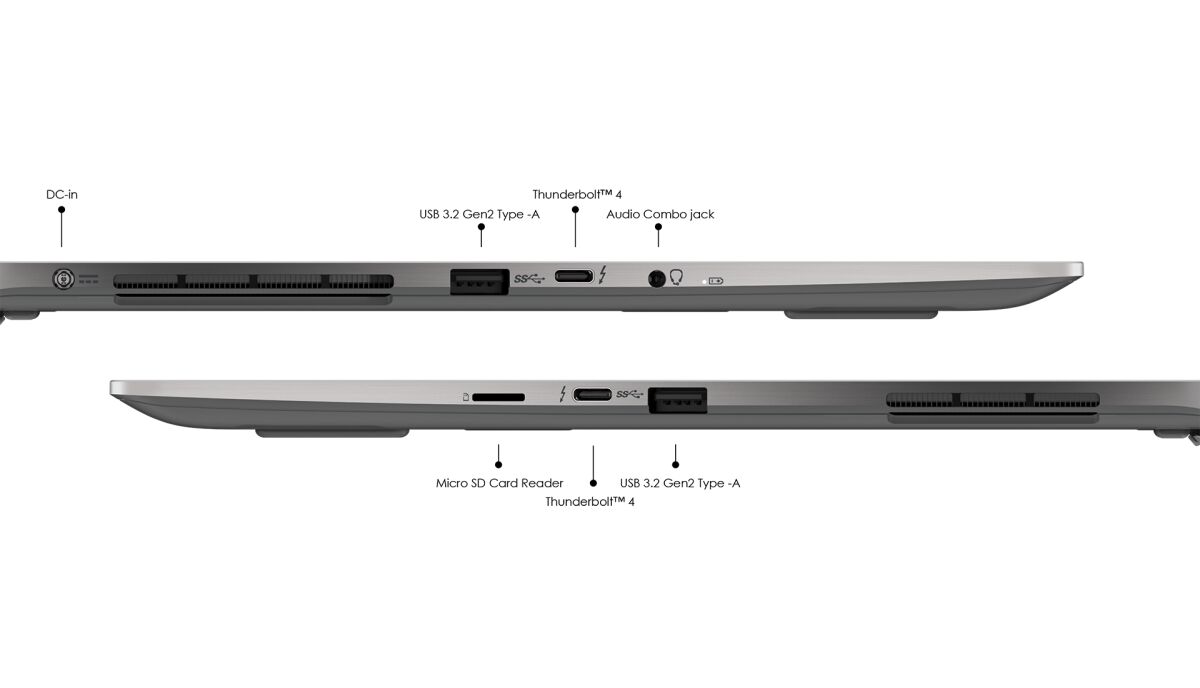
The MSI Creator Z16 A12UET-001FR laptop features DDR5-SDRAM memory upgrade capabilities through 2x SO-DIMM slots. Maximum compatible RAM capacity reaches 64 GB, supporting DDR5 modules at 4800 MHz frequency. The SO-DIMM form factor provides standard memory upgrade specifications for this model. Detailed RAM upgrade information and compatible memory configurations are available for the Z16 A12UET-001FR series.
Memory Upgrade Specifications
| Specification | Value |
|---|---|
| Memory slots | 2x SO-DIMM |
| Form factor | SO-DIMM |
| Memory type | DDR5-SDRAM |
| Frequency | 4800 MHz |
| Maximum RAM | 64 GB |
| Voltage | 1.1V |
| Number of pins | 262-pin |
| Interface | PC5 |
| PC Speed Rating | PC5-4800 (PC5-38400) |
| Bandwidth | 38.4 GB/s |
| Laptop Release date | 31 December 2021 |
Additional Notes
- The MSI Creator Z16 A12UET-001FR supports DDR5-SDRAM exclusively, rendering DDR4 modules physically incompatible due to notch positioning differences in the SO-DIMM connector.
- Dual SO-DIMM slots enforce symmetrical population for optimal dual-channel bandwidth; installing a single module forfeits 50% of potential memory throughput relative to paired configurations.
- The 64 GB ceiling requires 2x32 GB SO-DIMM modules at maximum capacity; intermediate upgrade steps (single 32 GB modules or 16 GB pairs) leave significant headroom but do not proportionally scale performance benefits beyond 32 GB for typical creator workloads.
- DDR5-4800 MHz specification establishes baseline frequency; non-standard speeds (5600 MHz, 6400 MHz) may post successfully but operate outside manufacturer validation scope and void memory-related warranty coverage.
- SO-DIMM form factor physically constrains selection to mobile-class memory; desktop DDR5-UDIMM modules cannot mechanically install despite electrical compatibility with the DDR5 protocol.
- Latency characteristics of DDR5-4800 modules typically range 40-48 nanoseconds; this higher latency compared to DDR4-3200 counterparts is offset by 50% greater bandwidth capacity, creating a bandwidth-over-latency architectural tradeoff inherent to DDR5 design.
- Thermal throttling risk increases when both SO-DIMM slots occupy maximum-capacity modules; airflow patterns around memory traces may become restricted, particularly during sustained video encoding or 3D rendering sessions.